

We all know it, each month it’s the same spiel: first comes PMS, then your period starts and, lastly, our favourite gal, crippling cramps, kicks in. So, you pop a couple of painkillers, scorch your stomach with a hot water bottle and try to lie down on the sofa if you’re lucky. A couple of ibuprofen later and it still feels like someone’s swirling your guts around with a spoon.
But not to worry, we’ve got you. Here at The Women’s Journal, we’ve spoken to GPs, pharmacists and women’s health experts to find out what actually works for period pain relief, why it works and which products are worth spending your money on.
What Causes Period Pain and Period Cramps?
Every month it’s the same story: somehow we forget just how painful period cramps are until they’re back with a vengeance. But what is actually happening inside our bodies to trigger them?
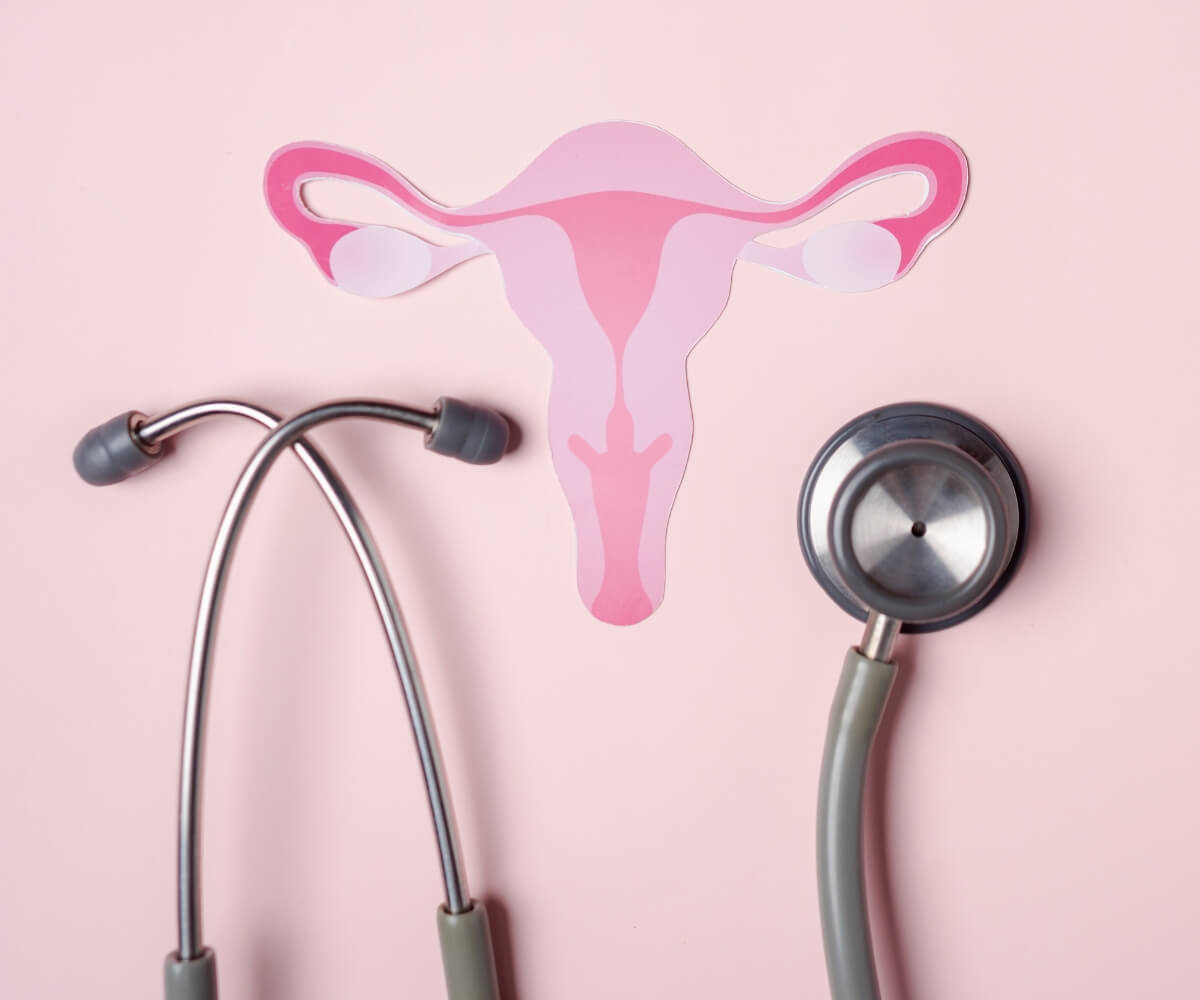
First of all, let’s not be too harsh on our bodies. Your uterus is doing exactly what it’s supposed to do: shedding its lining. Unfortunately, that process also comes with contractions, bleeding and, for many of us, a fair bit of stomach and back pain.
There are two types of dysmenorrhoea, which is the medical term for painful periods. Primary dysmenorrhoea is the most common type and isn’t caused by an underlying medical condition. Quick biology class recap: the main culprits behind period pain are prostaglandins, hormone-like chemicals that make the muscles of your uterus contract to help shed its lining.
“These contractions temporarily compress some of the small blood vessels supplying the uterus, reducing oxygen to the muscle and activating pain pathways. Prostaglandins can also affect other smooth muscles and parts of the body, which helps explain why some people experience nausea, diarrhoea, headaches, dizziness, sweating or fatigue alongside their cramps,” explains women’s health GP and founder of The Female Health Doctor, Dr Nikki Ramskill.
Secondary dysmenorrhoea, on the other hand, is caused by an underlying condition such as endometriosis or uterine fibroids. Unlike primary dysmenorrhoea, it often gets worse over time and the pain can continue even after your period has finished.
Why Is Period Pain Worse for Some People?
Asking the hard questions over here. No, but seriously, there isn’t one straightforward answer.
Period pain can change and fluctuate throughout your life. It may be worse during your teenage years, improve for a while, then become more severe again as your hormones change later in life.
If you experience heavy bleeding, you’re also more likely to have painful periods. Your uterus has to work harder to pass larger amounts of blood and clots, meaning stronger contractions and, ultimately, more cramping.
There are many reasons why some people experience more severe period pain than others, with the most common being underlying conditions such as endometriosis, adenomyosis, fibroids and ovarian cysts.
Here’s a quick rundown of what those actually mean. Adenomyosis occurs when tissue from the lining of the uterus grows into the muscular wall of the uterus, causing it to thicken and often leading to heavier, more painful periods. Endometriosis occurs when tissue similar to the lining of the uterus grows outside the uterus, where it can cause inflammation, scarring and significant pain. Ovarian cysts are fluid-filled sacs that develop on or inside the ovaries and, depending on their size or type, can cause pelvic pain. Uterine fibroids are non-cancerous growths that develop in or around the uterus and, for some people, can lead to painful periods, heavy bleeding and spotting between periods.
According to Dr Ramskill, other factors include prostaglandin activity, the strength of uterine contractions, age, genetics, stress, sleep and an individual’s overall pain sensitivity.
“No two menstrual cycles are hormonally identical. The amount of uterine lining that has developed, whether ovulation occurred, prostaglandin production and the intensity of uterine contractions can all differ from one month to the next. Variation does not mean the pain is imagined or that somebody simply has a ‘low pain threshold’. Pain is real, and severity cannot always be predicted by what appears on a scan or by how much somebody is bleeding,” the GP adds.
What Helps Period Pain? Expert-Backed Relief That Actually Works
Research into periods and period pain is still relatively limited and isn’t always conclusive. However, research consistently suggests that non-steroidal anti-inflammatory drugs (NSAIDs), such as ibuprofen, naproxen and diclofenac, are among the most effective types of period pain relief because they reduce the production of prostaglandins. According to Superintendent Pharmacist at Pharmica, Ana Carolina Goncalves, NSAIDs target one of the main underlying causes of period pain.
If you don’t want to reach for medication straight away, heat therapy is also backed by good evidence. Studies have shown that applying heat to the lower abdomen may provide pain relief comparable to NSAIDs for some people, while also being a safe and accessible option.
Transcutaneous electrical nerve stimulation (TENS) devices deliver mild electrical pulses through the skin and have been shown in some studies to reduce the intensity of period pain within around 20 minutes for many users. However, Goncalves points out that while the evidence is promising, the overall certainty of the research remains relatively low.
Now you know what causes period pain and which treatments have the strongest evidence behind them, it’s time to find the products that are actually worth your money. Here’s our pick of the best period pain relief products to buy in 2026.
The Best Period Pain Relief Products to Buy in 2026
Best Overall Period Pain Relief Device: Myoovi Period Pain Relief Device 2.0
Why we picked it: Combines TENS and heat therapy in one discreet wearable device.
Best Budget TENS Machine for Period Pain: Easy@Home TENS Machine
Why we picked it: An affordable dual-channel TENS machine with 24 modes and 20 intensity levels, so you can tailor the treatment to your needs.
Best Heat Patches for Period Pain: Cura-Heat Pain Relief Heat Patch
Why we picked it: Affordable and discreet, these patches provide continuous heat for up to 12 hours and are easy to wear on the go.
Best Period Pain Relief Tablets: Feminax Express
Why we picked it: Contains ibuprofen lysine, an NSAID that targets the prostaglandins involved in period cramps.
Best Herbal Period Pain Relief: Ginger
Why we picked it: Ginger is one of the better-researched herbal options for period pain, with studies suggesting it may help reduce cramps.
Best Supplement for Period Pain Relief: Omega-3 Fatty Acids
Why we picked it: Omega-3s have some of the strongest evidence among supplements studied for reducing period pain.
Best Heat + Vibration Device for Period Pain: Slimpal Heating Pad
Why we picked it: Combines heat and vibration in an affordable, cordless and rechargeable wearable device.
Best TENS Machines for Period Pain
Transcutaneous electrical nerve stimulation (TENS) machines pass mild electrical currents through your nerves to help reduce pain. The electrical impulses are thought to encourage the release of endorphins, your body’s natural pain-relieving chemicals, while also interrupting pain signals before they reach the brain. They’re a great drug-free option if painkillers aren’t your thing or you simply want another layer of relief.
Easy@Home TENS Machine
This 3-in-1 machine has got you covered in all areas: TENS for pain relief, EMS for muscle strengthening and massage mode for relaxation. Although, in this case, maybe skip the EMS.
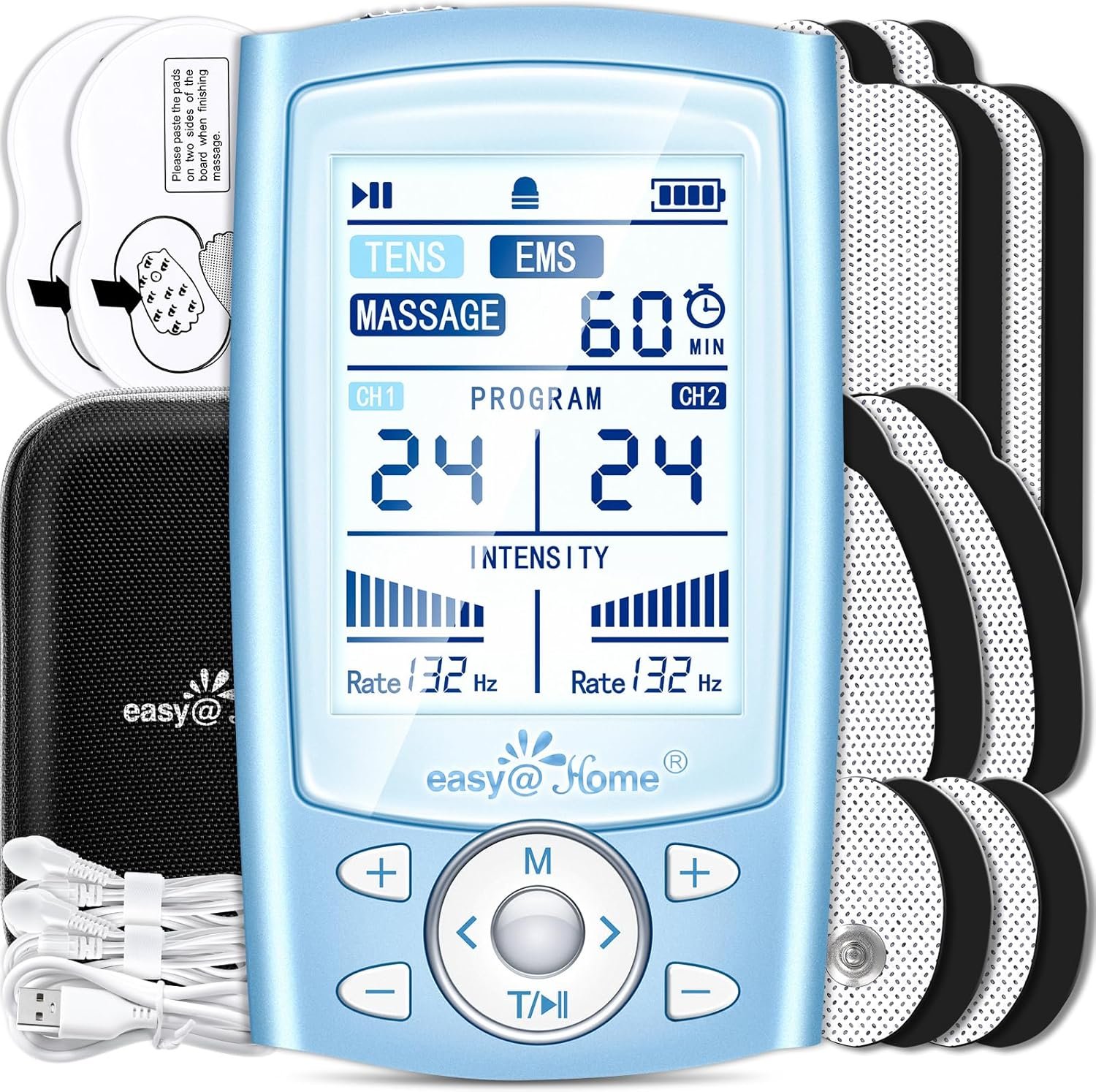
One of the best things about this device is its dual-channel function, meaning you can target two different areas at the same time, ideal if your cramps radiate into your lower back. It also comes with 24 modes, 20 intensity levels and a battery life of up to 18 hours, so you won’t have to stop mid-cramp just to recharge it.
Myoovi Period Pain Relief Device 2.0
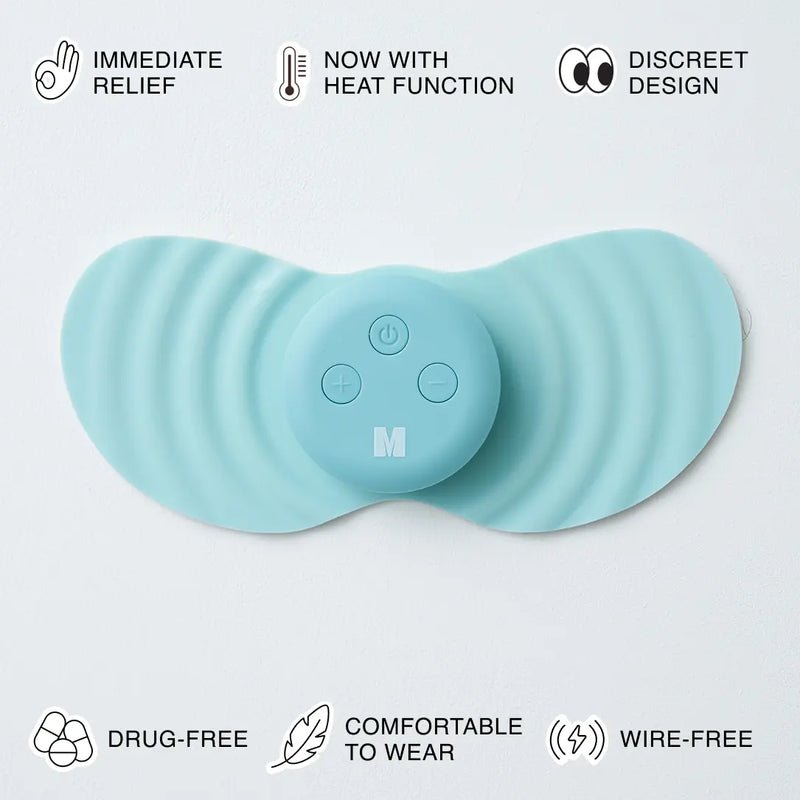
If you’ve spent any time on TikTok over the past few years, chances are you’ve seen the Myoovi pop up on your For You Page. Founded by UK doctors, this wearable device combines TENS technology with integrated heat therapy to tackle period pain using two evidence-backed methods at once.
It’s designed to help relieve both primary dysmenorrhoea and pain associated with conditions such as endometriosis, with the brand claiming relief can begin within five minutes. The device was also approved by the Good Housekeeping Institute in 2024.
One of its biggest selling points, though, is the design. It’s lightweight, discreet and small enough to wear comfortably underneath your everyday clothes, making it much easier to go about your day without carrying around a bulky TENS unit.
Best Heating Pads and Heat Patches for Period Cramps
My number one bestie during my period is definitely my hot water bottle. But sometimes I love her a little too much and end up burning my stomach, which probably isn’t the best idea. Don’t do this at home, kids.
If you’re on the go, at school or at work, carrying a hot water bottle around with you isn’t exactly practical. Luckily, there are plenty of wearable heat patches that let you keep the warmth without the kettle.
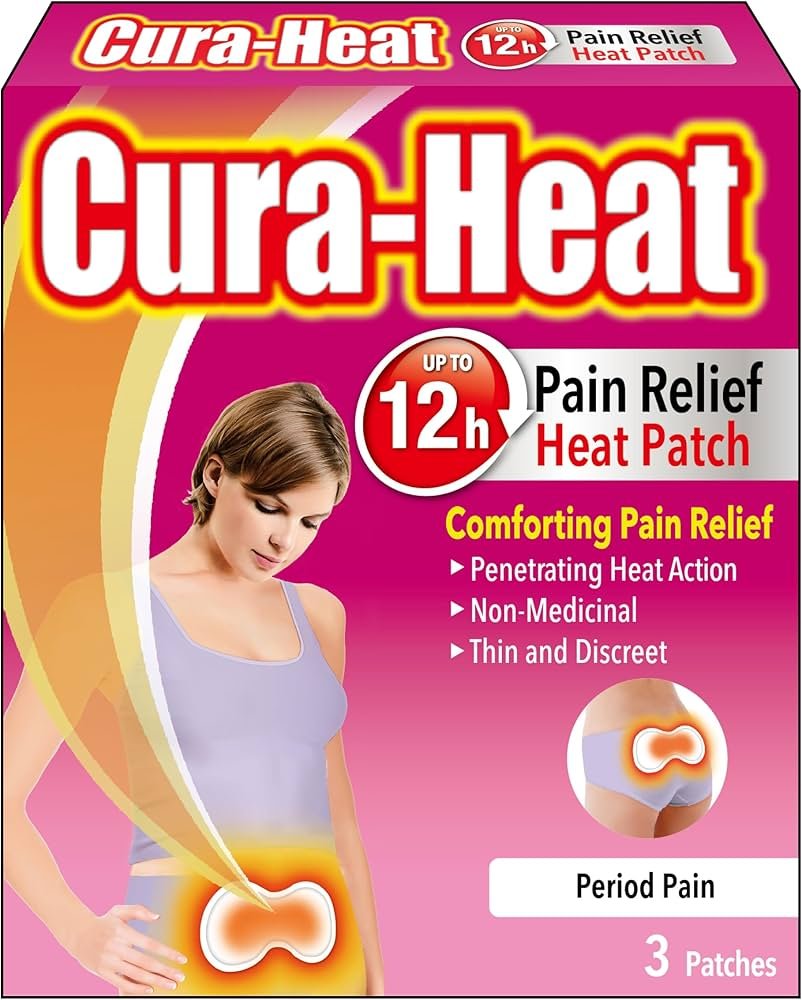
Cura-Heat Pain Relief Heat Patch
These heat patches are a great budget-friendly option when you’re out and about. They provide continuous heat for up to 12 hours, with each box containing three patches. Simply stick one inside your underwear or onto your clothing over the painful area and let it get to work.
Suitable for adults.
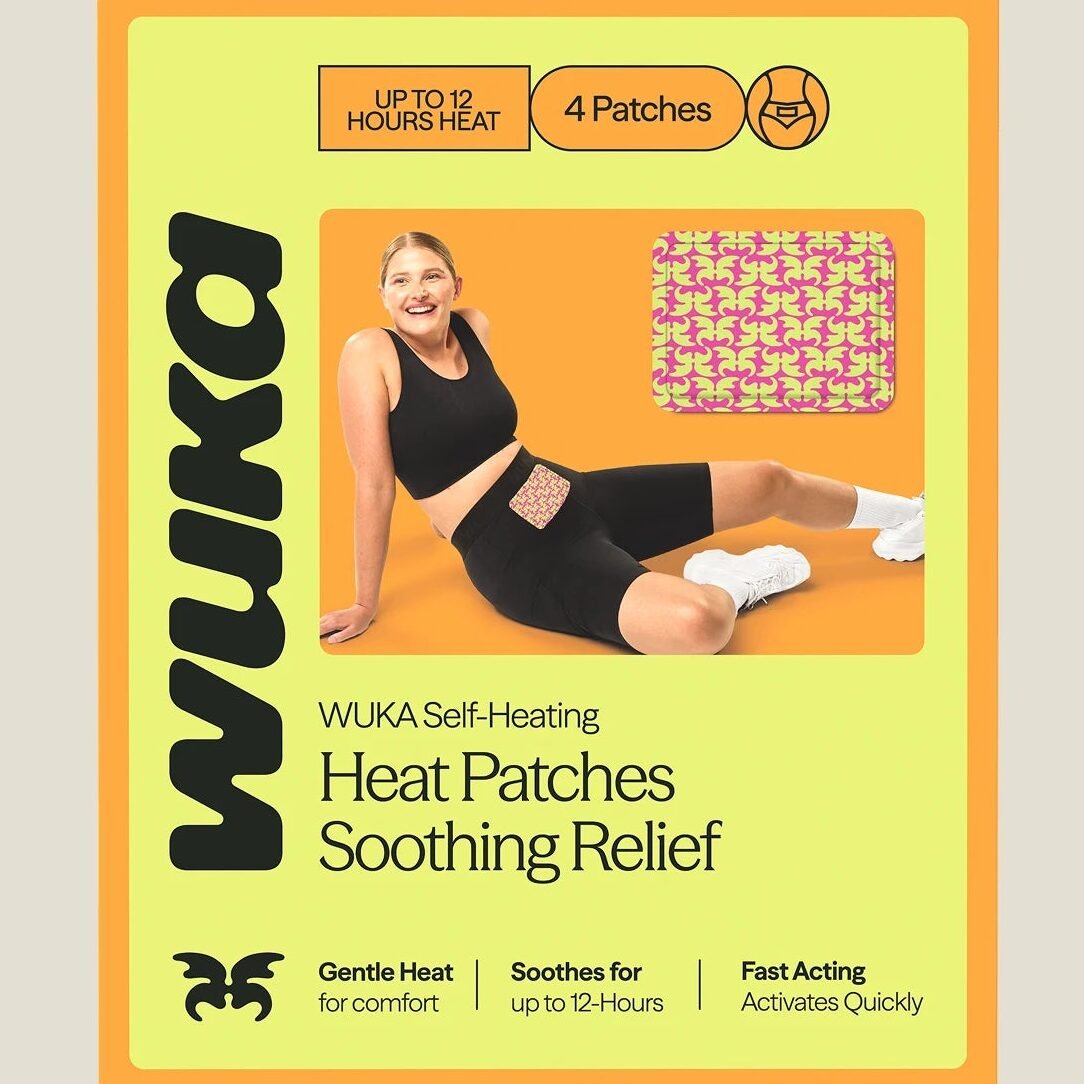
WUKA Heat Patches
With a discreet, modern design, these patches are suitable for teens and adults alike. Each patch activates when exposed to air and delivers gentle heat for between eight and 12 hours, reaching temperatures of up to 40°C. Each pack contains four individually wrapped patches, making them easy to keep in your bag for emergencies.
Best Pain Relief Tablets for Period Cramps
Remember what we’ve learned, ladies: NSAIDs really are a girl’s best friend when it comes to period pain. They reduce the production of prostaglandins, helping to ease the contractions causing your cramps. This is also why it’s better not to wait until the pain becomes severe, as NSAIDs tend to be more effective when taken at the first sign of discomfort.
According to Superintendent Pharmacist at Pharmica Ana Carolina Goncalves, ibuprofen is usually the first choice for most women. Other NSAIDs include aspirin, although it isn’t generally recommended as a first-line treatment for period pain and shouldn’t be taken by anyone under 16.
“Naproxen may also be available from a pharmacist in limited circumstances specifically for period pain depending on the woman’s health,” Goncalves explains.
The main alternative is paracetamol, which works differently. Rather than reducing prostaglandins, it changes how the body processes pain signals.
“So, it lacks the anti-inflammatory effect,” the pharmacist says.
Goncalves recommends that adults can take paracetamol alongside ibuprofen if the pain is more severe, but stresses that two different NSAIDs should never be taken together.
The Women’s Journal has rounded up some of the most popular over-the-counter options available from UK pharmacies.
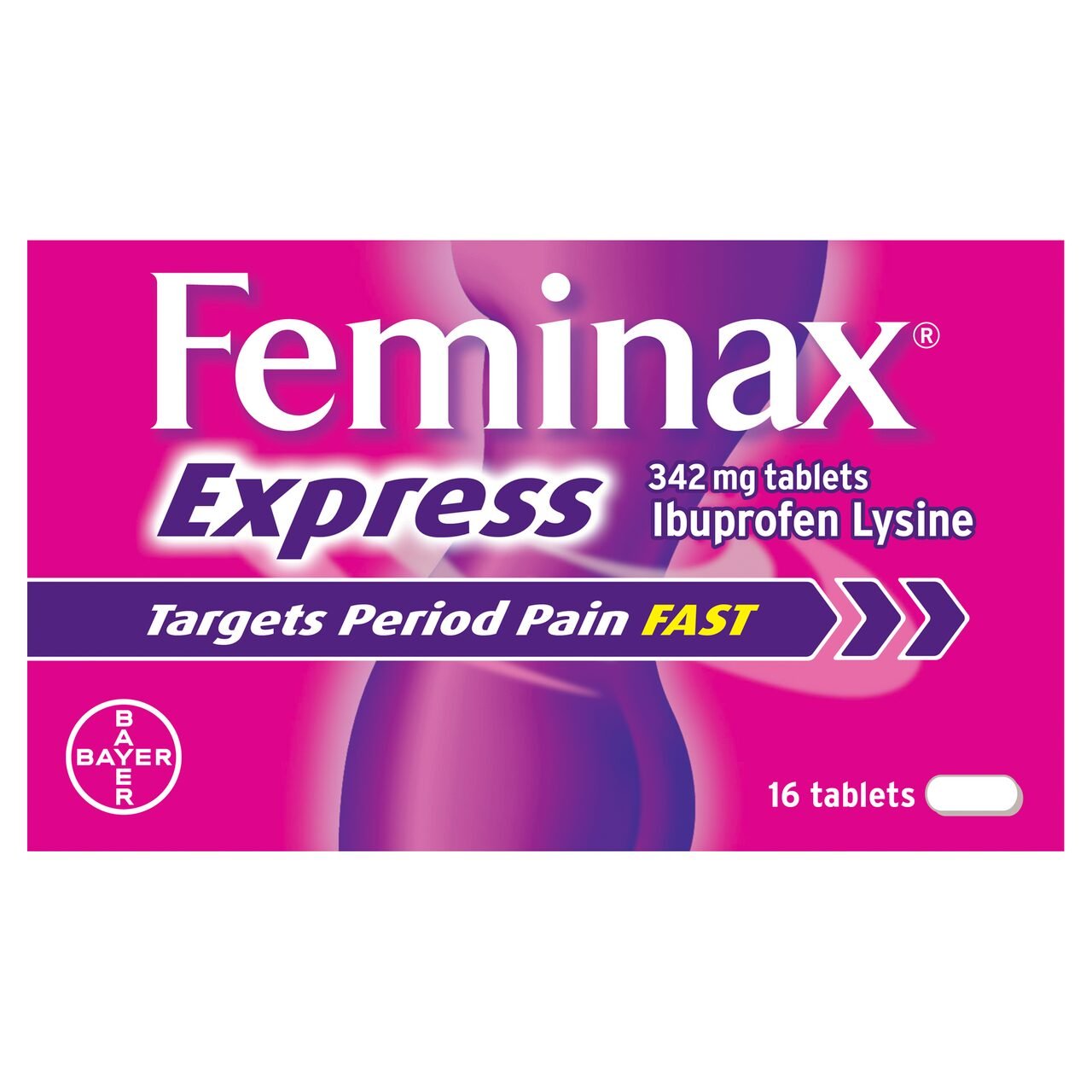
Feminax Express
Active Ingredient: Ibuprofen
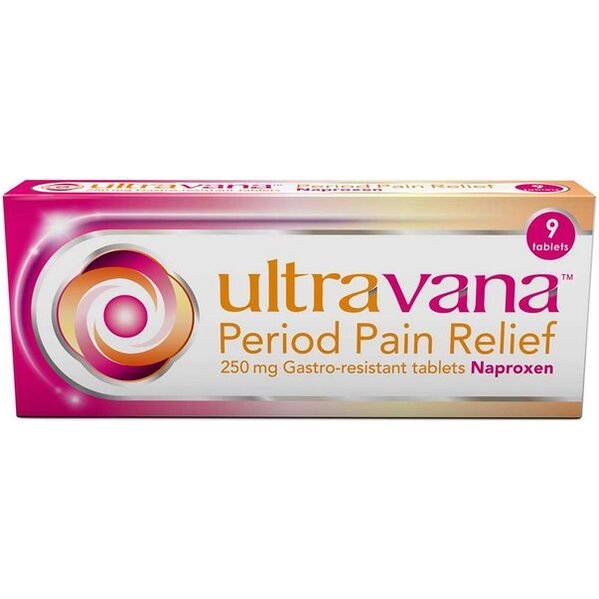
Ultravana Period Pain Relief
Active Ingredient: Naproxen
Best Natural Period Pain Relief Products
Sometimes you’ve just got to embrace your herbal witchy era and see what works for you. We’ve done the research into the best teas, powders and herbs that can be a great addition to painkillers, TENS or heat therapy.
But remember: “It is also important not to assume that something is automatically safe because it is described as natural. Herbal products and supplements can cause side effects, interact with medicines or be unsuitable during pregnancy or for people with certain health conditions,” Goncalves says.
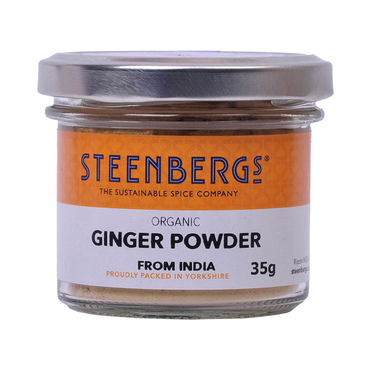
Ginger
This humble root is a powerful natural anti-inflammatory that’s widely used to help with everything from sore throats to nausea. When it comes to periods, ginger may help reduce cramping, inflammation and nausea.
Some studies suggest ginger can reduce the production of prostaglandins and may provide pain relief comparable to NSAIDs. However, it’s important to note that the evidence is still relatively limited, with many studies being small and using different doses and formulations.
Acupuncture
The Women’s Journal spoke to Maddy McCarthy, female health acupuncturist and founder of Yin Space, about the role acupuncture can play in relieving period pain.
“In TCM, which is a modality of acupuncture, painful periods tend to point towards Blood Stagnation, which is essentially blood that has become stuck and can’t move. The blood and energy in the area build up and create pressure,” she explains.
According to McCarthy, acupuncture aims to improve blood flow and identify the root cause rather than simply treating the symptoms.
“We determine what the root cause is and then treat that to stop it from happening, rather than just papering over the cracks,” she says.
The scientific evidence for acupuncture is mixed. While studies show only modest improvements in pain relief, some have found more noticeable benefits for mood and overall wellbeing during the menstrual cycle.
Best Supplements for Period Pain Relief
Taking supplements throughout your cycle can be beneficial for some people, and many of us already do. However, when it comes to period pain specifically, the research is mixed and isn’t always straightforward.
Superintendent Pharmacist Ana Carolina Goncalves points out that supplements can also cause side effects or interact with medicines you’re already taking, so it’s worth discussing them with your pharmacist or GP before starting anything new.
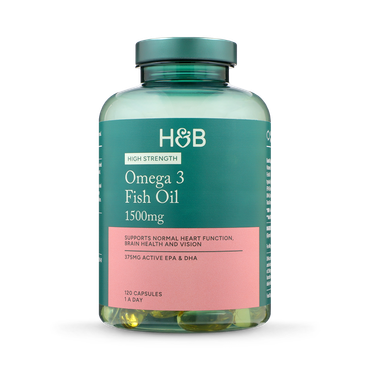
Omega-3 Fatty Acids
Research suggests omega-3 fatty acids have some of the strongest evidence among natural supplements for reducing period pain. They appear to reduce prostaglandin production and may help lower pain intensity.
However, Goncalves notes there’s still considerable variation between studies, including differences in dosage, duration and the specific supplements used.
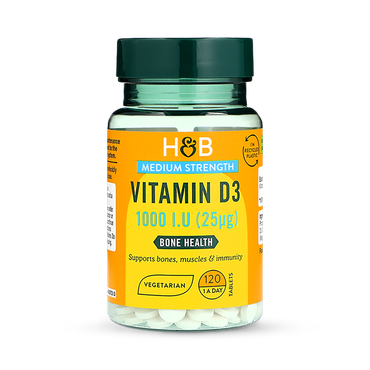
Vitamin D
Some studies suggest there’s a link between vitamin D deficiency and more severe period pain. For people who are deficient, correcting that deficiency may help reduce both the severity and frequency of cramps, as well as lowering the need for pain medication.
However, Goncalves advises caution:”Vitamin D may be particularly relevant where someone is deficient, but high-dose vitamin D should not be taken specifically for period pain without clinical advice.”
Best Wearable Period Pain Relief Devices
In 2026, high-tech period pain relief is quite literally at our fingertips. Wearable heat belts, vibration devices and combination gadgets are becoming increasingly popular, giving you even more options if you’d rather avoid medication.
Rather than overwhelm you with loads of similar gadgets, we’ve picked one affordable option that’s actually worth your money.
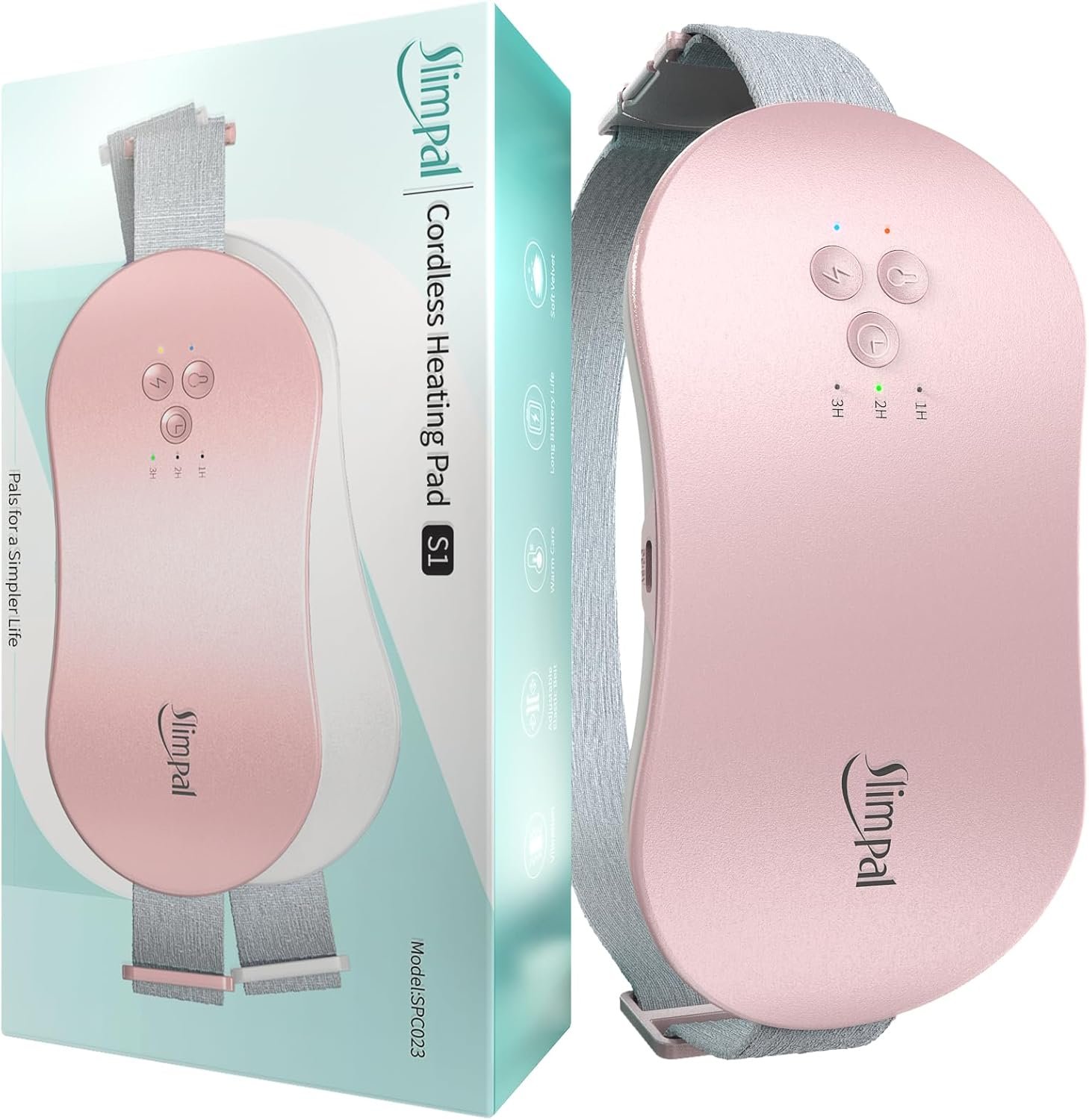
Slimpal Period Pain Relief Heating Pad
This wearable device combines heat and vibration therapy in one cordless, rechargeable belt. Better yet, it comes in some genuinely cute colours.
Rechargeable via USB, it’s lightweight enough to wear around the house or under loose clothing and offers a more affordable alternative to some of the premium wearable devices on the market.
How to Manage Severe Period Pain and Secondary Dysmenorrhoea
It’s no secret how long it can take to be diagnosed with underlying conditions like endometriosis, and even then, there aren’t always clear or accessible treatment options. So how can you manage your period pain while you’re waiting for an official diagnosis or treatment plan?
The Women’s Journal asked Superintendent Pharmacist Ana Carolina Goncalves for her expert advice.
“Over-the-counter pain relief, with an NSAID as the usual first choice where suitable, along with heat and TENS, can all provide relief in the meantime.
Keep a symptom diary, recording when the pain occurs, how severe it is, the bleeding pattern, pain during sex, bowel or bladder symptoms, which treatments have been used and how well they have worked. Recording the impact of period pain on your work, study, sleep and normal activities can also help. This gives your GP valuable information that can support assessment and referral.”
When to See a Doctor About Period Pain
Neelam Heera-Shergill was diagnosed with endometriosis, PCOS and PMDD after years of being told her pain was “normal”. This inspired her to found Cysters, an award-winning charity tackling women’s health inequalities.
“Looking back, I knew something wasn’t right from my very first period. I wasn’t experiencing normal discomfort, I was experiencing pain that stopped me from functioning,” she says.
According to Heera-Shergill, the biggest warning sign was the impact her periods had on her day-to-day life.
“I was planning my life around my menstrual cycle, missing opportunities and adapting everything around unpredictable symptoms. But because I had repeatedly been told this was just part of being a woman, I accepted it for years.”
From a young age, many of us are taught that period pain is simply something we have to put up with. There’s often an expectation to carry on as normal, even when you’re in so much pain you can barely get off the sofa. But while mild cramping is common, pain that regularly disrupts your life isn’t something you should feel you have to just accept.
The Women’s Journal asked women’s health GP and founder of The Female Health Doctor, Dr Nikki Ramskill, about the biggest red flags around period pain that should never be ignored.
“Definitely get yourself checked out urgently for sudden, severe or unusual pelvic pain, particularly if there is fainting, dizziness, shoulder-tip pain, fever, vomiting, feeling very unwell or extremely heavy bleeding. Other symptoms requiring investigation include bleeding between periods or after sex, unexplained weight loss, persistent abdominal swelling or bloating, loss of appetite, a new bowel or bladder change, or pain that is rapidly worsening.”
Dr Ramskill says no one should have to live with severe period pain for any set length of time before seeking medical advice. If your pain is regularly affecting school, work, sleep, exercise, relationships or everyday life, if over-the-counter treatments are no longer controlling it, or if your symptoms have changed, she advises speaking to your GP.
“Someone does not need to wait until the pain has been present for six months or until it becomes unbearable before asking for help.”
Ultimately, painful periods shouldn’t simply be accepted as part of life. As Heera-Shergill puts it: “We need to stop asking whether someone’s period pain is ‘normal’ and instead ask whether it is manageable. If someone is losing days, weeks or years of their life because of pain, that deserves investigation.”
Period Pain Relief FAQs
What is the best pain relief for period cramps?
NSAIDs such as ibuprofen are among the most effective options for period cramps because they reduce prostaglandins, the chemicals that cause the uterus to contract. Heat therapy and TENS can also help, either alone or alongside pain relief medication. The best option will depend on the severity and cause of your period pain and whether particular treatments are suitable for you.
What helps period pain fast?
Taking an NSAID such as ibuprofen at the first sign of period pain may help prevent cramps from becoming more severe. Applying heat to your lower abdomen can also provide relatively quick relief, while some studies suggest TENS may reduce period pain within around 20 minutes. Always follow the instructions for any medication or device you use.
Do TENS machines work for period pain?
TENS machines may help relieve period pain by delivering mild electrical impulses through the skin, which can interfere with pain signals and may encourage the release of endorphins. Research suggests TENS can reduce the intensity of period cramps for some people, although the overall certainty of the evidence remains relatively low.
Does heat help period cramps?
Yes, heat can help relieve period cramps. Research suggests applying heat to the lower abdomen can reduce period pain and may provide relief comparable to NSAIDs for some people. Heating pads, hot water bottles and wearable heat patches are all options, but take care to avoid burns and always follow the product’s safety instructions.
Can period pain get worse with age?
Period pain can change throughout your life rather than simply getting better or worse with age. Some people experience more painful periods during their teenage years and find they improve later, while others develop worsening pain. New or increasingly severe period pain can sometimes be associated with conditions such as endometriosis, adenomyosis or fibroids, so speak to your GP if your symptoms change or begin affecting your everyday life.