
Looking for nervous system regulation techniques to help manage stress and overwhelm? From slow breathing and gentle movement to progressive muscle relaxation, there are practical techniques that may help support the body’s response to stress.
But nervous system regulation isn’t simply about trying to feel calm. The Women’s Journal spoke to experts in psychiatry, neuroscience and mental wellbeing to explore what nervous system regulation actually means, how it works and the techniques that may help you feel more grounded during stressful moments.
Nervous System Regulation Techniques at a Glance
- Slow breathing: Breathe gently and comfortably, focusing on slowing your breathing rather than forcing deep breaths.
- Cold water: Splashing your face or rinsing your hands with cold water may help reduce physiological arousal.
- Gentle movement: Walking and stretching can help release physical tension and redirect attention.
- Progressive muscle relaxation: Gradually tensing and releasing muscles can help reduce physical tension.
- Mindfulness and meditation: Paying attention to your body and present surroundings may help you recognise and respond to stress.
- Sleep and routine: Consistent everyday habits can support your ability to cope with stress over time.
What Is Nervous System Regulation?
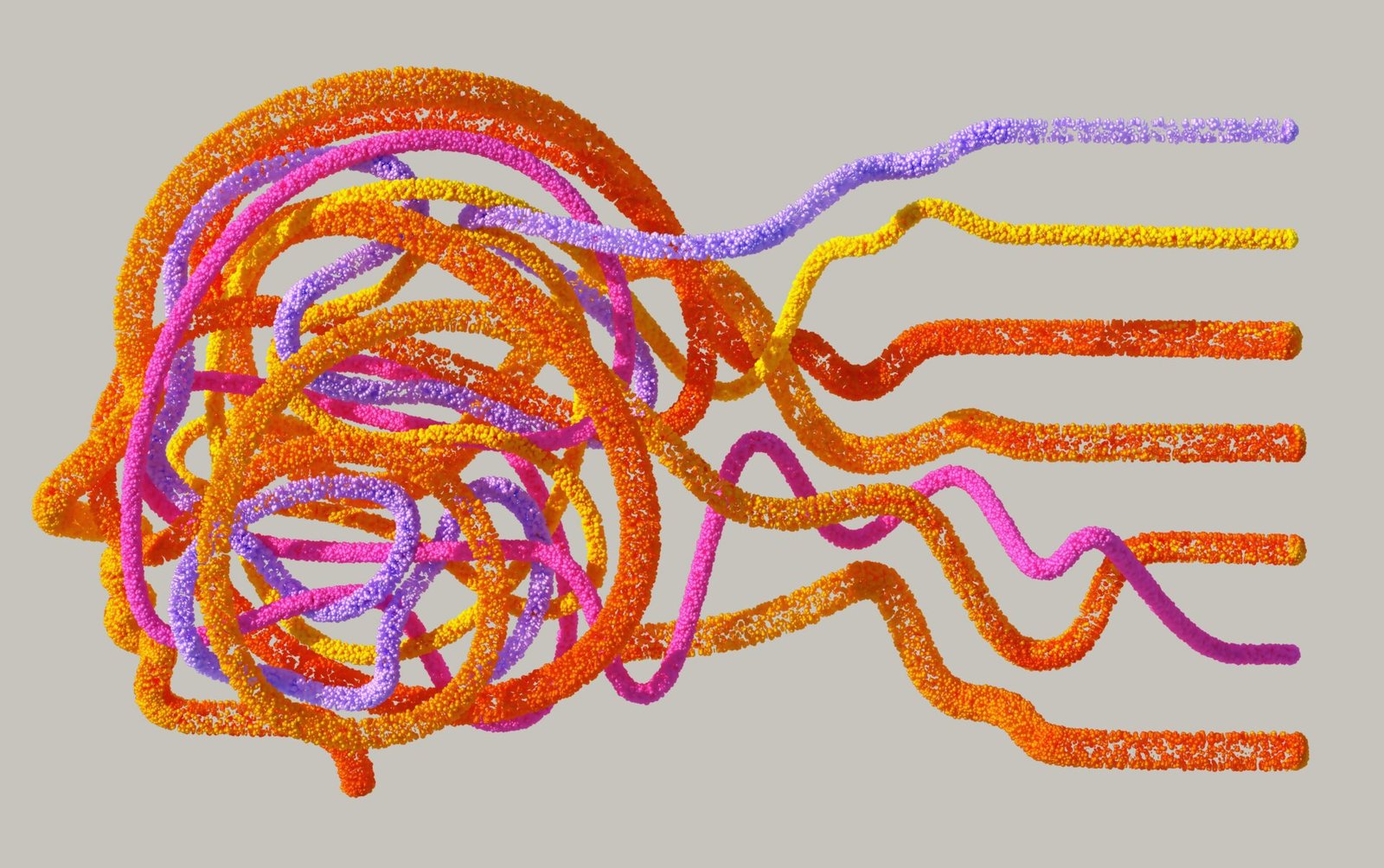
Nervous system regulation refers to our ability to manage our responses to stress and return to a calmer state after experiencing challenges. While the term has become increasingly popular in the wellbeing space, it is not a formal clinical term. Instead, it describes the relationship between our thoughts and emotions, physical responses and the world around us.
Dr Elisabetta Burchi, Head of Research at Parasym, is a practising psychiatrist with specialist expertise in neuromodulation and the vagus nerve. She explains that nervous system regulation is broader than simply achieving a state of calm. Instead, it is more about our capacity to handle stressors:
“When we talk about nervous system regulation, we are not talking about the pursuit of calm — we are really talking about flexibility, and in particular the ability of the autonomic branches of the nervous system to shift appropriately between fight-or-flight and recovery modes […] Regulation, then, is not about feeling calm; it is about being capable of meeting stressors resiliently.”
How Does Nervous System Regulation Work?
We also spoke to Cassandra Govender, Lead Therapist for General Psychiatry at Nightingale Hospital, who shares the science behind nervous system regulation, explaining that the autonomic nervous system plays a key role:
“A key part of [nervous system regulation] is the autonomic nervous system, which automatically regulates functions such as heart rate, breathing, blood pressure and digestion. It is constantly receiving and integrating information from both inside the body and from the environment around us, making thousands of adjustments every day without us being aware of it. Its role is not simply to keep us calm, but to help us adapt to whatever life is asking of us.”
She also emphasises that regulation is not about removing all sense of anxiety or attaining a perfect state of calm. Rather, it is more about how we navigate stresses and learn to adapt to different emotional states. She notes:
“An emotionally healthy person will still experience anxiety, sadness, frustration and stress. The goal is not to eliminate these emotions, but to be able to recognise them, understand what they may be telling us, respond in ways that are helpful, and recover where possible.”
Additionally, part of nervous system regulation is understanding why our bodies react the way they do to stress, rather than viewing these responses as something to fix. Developing awareness of our nervous system can help us respond with greater self-compassion and recognise when our environment may also be contributing to our distress. As Cassandra explains:
“Good interventions will focus both on helping people develop flexibility while also understanding the wider context in which their distress occurs, normalising and educating around our responses and encouraging environmental change where possible.”
Nervous System Regulation Techniques That Actually Help
Lead Therapist Cassandra recommends practical techniques to promote a calmer state of being. It is important to note that not all techniques work for everyone, and they should not be viewed as cures for anxiety and stress. These techniques aim to lessen the intensity of feelings, rather than completely eradicate them. The aim is to help us move towards a more thoughtful and perspective-led state of mind.
Cold Water Therapy
Splashing your face with cool water may trigger the body’s diving response, a physiological reflex associated with changes in heart rate. The cooling sensation may also provide a physical point of focus when you are feeling overwhelmed.
Slow Your Breathing
Stress can cause our breathing to become faster and shallower. Slowing the pace of your breathing may help reduce feelings of physiological arousal. Cassandra recommends keeping the breath gentle and comfortable rather than forcing particularly deep breaths. One option is to breathe in for four seconds and out for five to six seconds, although there is no single breathing pattern that works for everyone.
Bodily Movement
Movement can be an effective way of interrupting the mind during cycles of worry. As stress prepares the body for action, gentle movement, such as a short walk or stretching, may help to release muscle tension and redirect our focus to the external environment. This can, in turn, help to alleviate the psychological feeling of being trapped or stuck.
Soften the Body
During times of stress, we may unknowingly clench our jaws or hold tension in our shoulders. Scanning the body and using progressive muscle relaxation (holding and releasing each muscle one by one) can help to soften the feeling of tension. Progressive muscle relaxation is also used as part of applied relaxation, an intervention included in NICE guidance for generalised anxiety disorder.
Daily Habits That Can Help Reduce Stress
Creating an adaptable nervous system over time can help to reduce stress in the long-term. Lead Therapist Cassandra emphasises the importance of regularity when it comes to practising these habits:
“When people think about nervous system regulation, they often focus on what to do in moments of acute stress. While those techniques can certainly help, our ability to regulate is shaped far more by the small, everyday habits that influence how resilient our nervous system is over time. Rather than aiming for constant calm, I encourage people to think about building a nervous system that is flexible, adaptable and able to recover.”
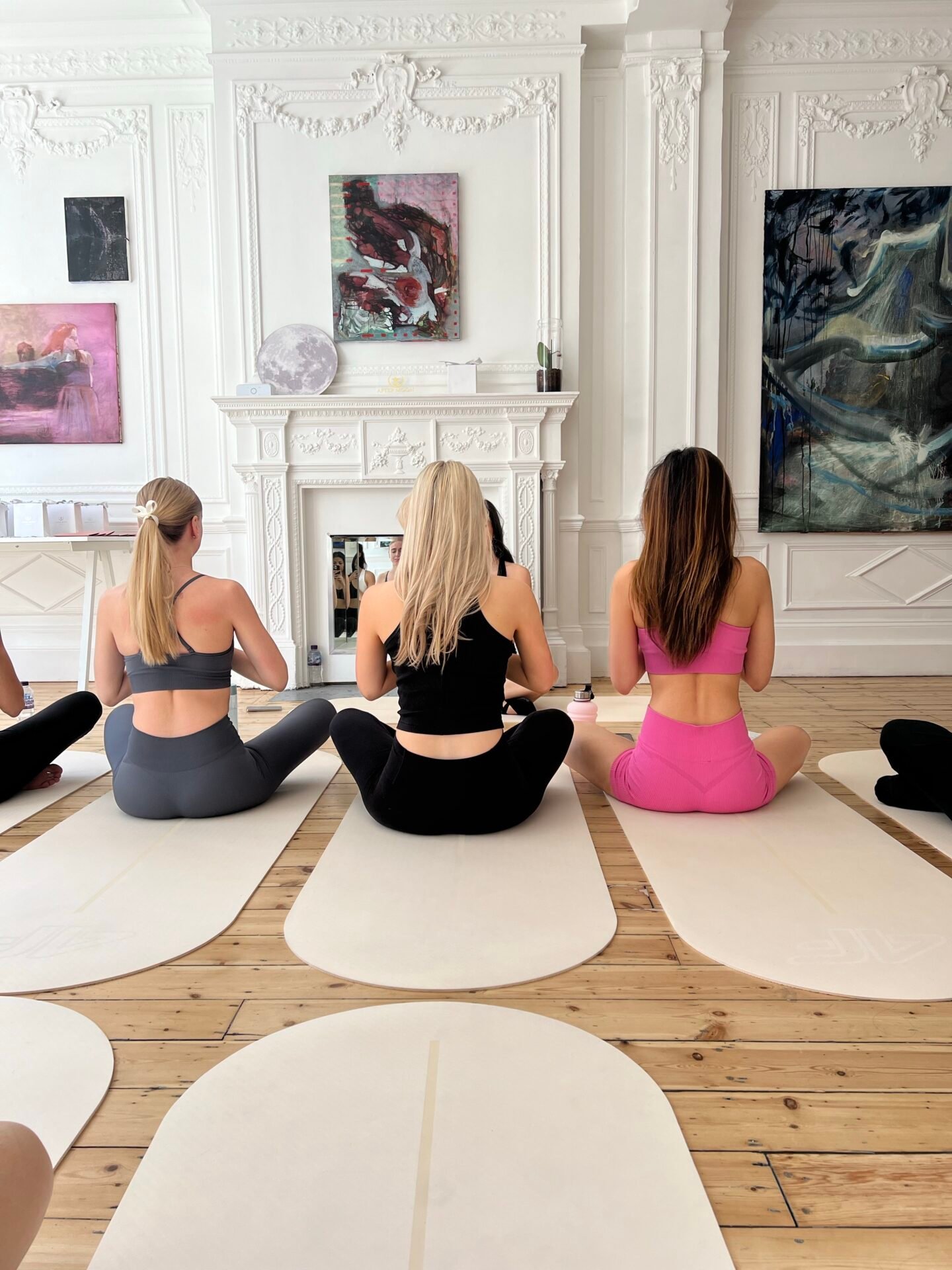
Therefore, we should focus on small, daily habits to support a more regulated nervous system. Creating a steady routine may consist of incorporating habits such as deep breathing techniques, movement (such as walks or yoga) and focusing on improving our sleep. As Dr Elisabetta notes, “Bottom-up approaches, such as breathing exercises, physical activity and sleep hygiene, can modulate [physiological] response.”

Wellness Products to Support Nervous System Regulation
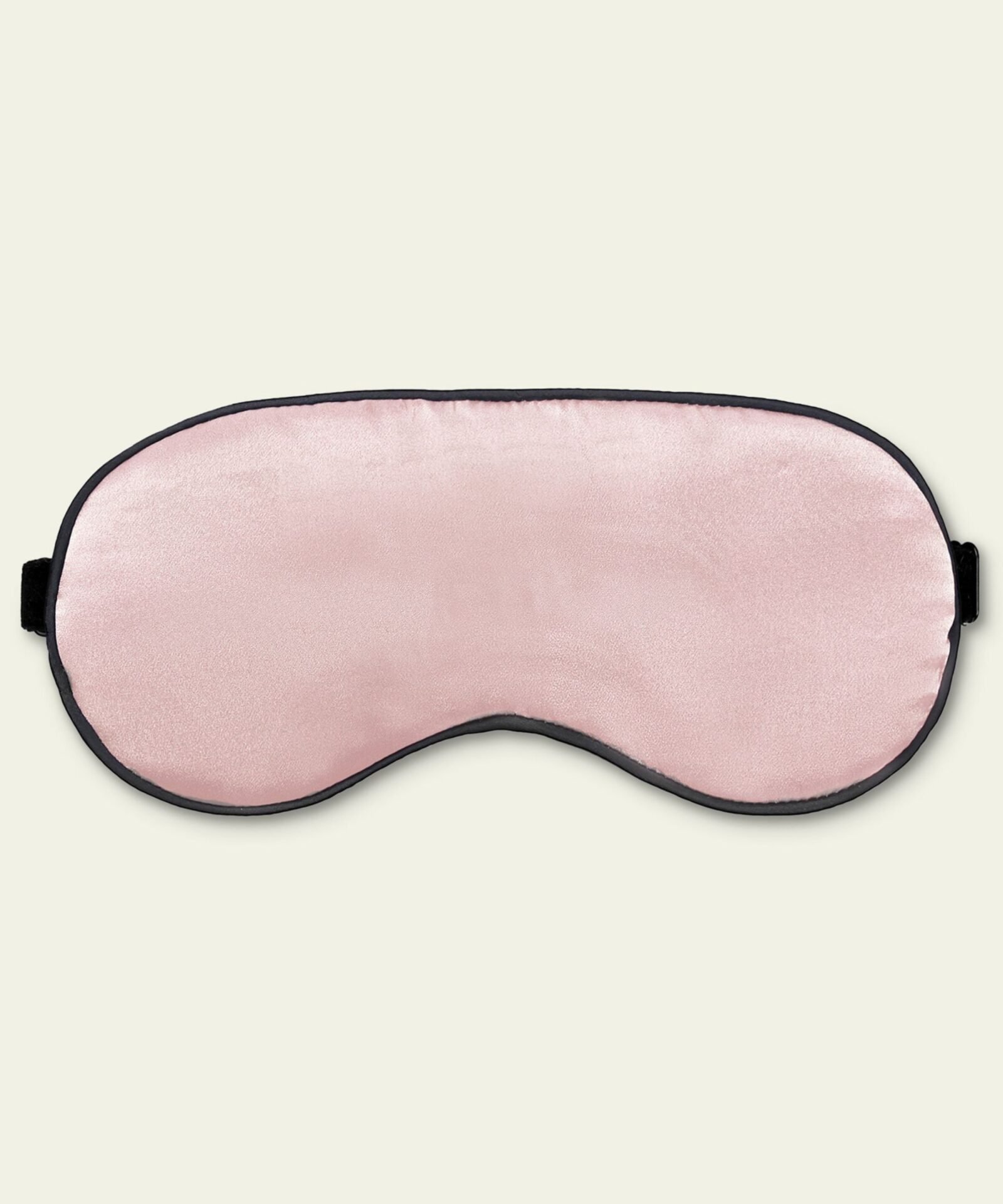
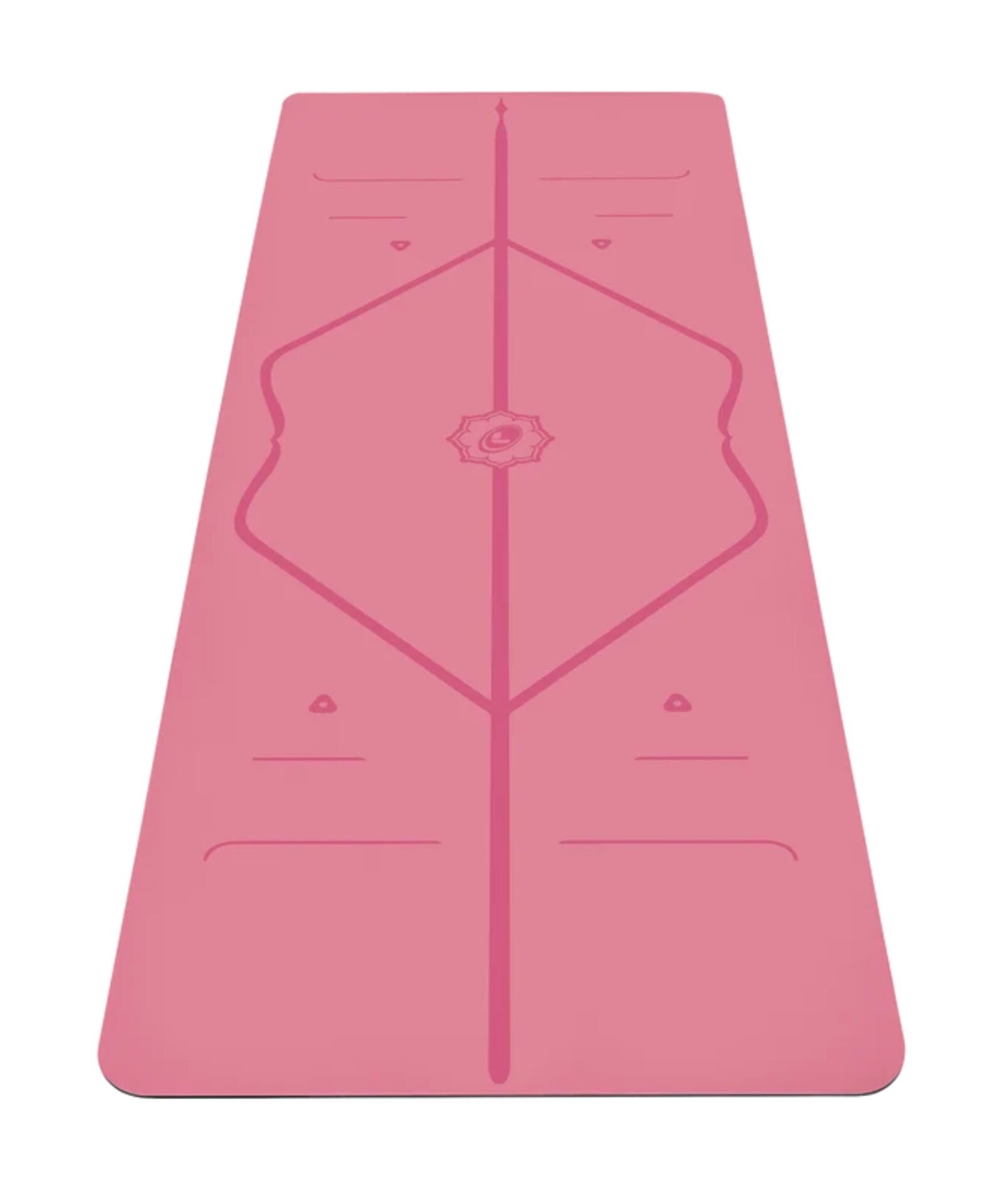
From yoga and gentle movement to mindfulness and better sleep habits, some of the techniques our experts recommend can be incorporated into an everyday wellbeing routine. If you’re looking to create a relaxing space at home, we’ve selected a few wellness products that can support these practices.


What to Avoid When Feeling Overwhelmed
When feeling overwhelmed, there are a few things which should be avoided. Dr Caitlin Artiaga, PhD, Licensed Marriage and Family Therapist and Clinical Director at Blume Behavioural Health, shares what not to do when it comes to regulation. She perceives that the most common mistakes are trying to talk your way out of overwhelm and ignoring regular routines:
“The main mistake I come across is trying to stay calm using [willpower] only. Simply telling somebody to ‘be calm’ does not help, as the body requires some indicators before calming down. Also, people only work on the issue when they already have a problem and forget about everyday practices.”
Instead, we should focus on developing what Cassandra calls a ‘flexible toolkit’ of nervous system techniques, and understand that part of regulation also involves acknowledging that stress can be a normal response. By treating ourselves more compassionately, we can also learn to distinguish between everyday stress, trauma and situations that may require our attention (such as an unsafe environment, financial pressure or relationship difficulties).
Expert Tips to Regulate Nervous System & Support Your Mental Wellbeing
Speaking to the experts, these are the nervous system regulation techniques they recommend to help reduce stress, improve emotional balance and support your mental wellbeing.
Listen To Your Body
Becoming more in tune with the body’s stress signals can help to support a more regulated nervous system. Iman Hasan, Longevity Expert & Founder of Biohack-It Podcast, suggests the importance of mindfulness and meditation in connecting with the body: “Meditation helps the brain step out of constant threat mode. As the mind settles, the nervous system follows. Regular practice is linked to improved heart rate variability and lower stress hormones, both key markers of healthy vagal function.”
Eat a High Fibre Diet
Alongside lifestyle habits that support nervous system regulation, nutrition can also influence how we manage stress and maintain mental wellbeing. Nicole Vignola, neuroscientist, keynote speaker and author, has explored the relationship between fibre and brain health through research carried out in connection with Wild Nutrition. She explains why increasing your fibre intake could be beneficial for long-term brain health:
“When people think about fibre, they immediately think about digestion”, says Nicole. “But as a neuroscientist, I’m interested in the benefits for our brain. Fibre supports the beneficial bacteria in our gut, which then produce compounds that influence inflammation, cognitive function and the gut-brain axis. It is one of the most overlooked nutrients when it comes to long-term brain health.”
Nicole also highlights the wider benefits of a fibre-rich diet, particularly when it comes to supporting brain health and reducing inflammation: “Emerging research suggests fibre-heavy diets are associated with lower levels of chronic inflammation, a key factor increasingly linked with age-related diseases, including cognitive decline,” says Nicole.
Create A Steady Routine
To support the long-term health of your nervous system, Dr Caitlin emphasises the need for consistency and routine habits. She shared with us, “Regularity is far more important than strength. At least a short daily walk will help one to get rid of the stress hormones. It is essential to take care of sleep because dysregulation of the nervous system impacts sleep negatively and vice versa. I would suggest people implement a few moments of conscious stillness in their lives, not only before going to bed.”
Neuromodulation Techniques
Dr Elisabetta also highlights neuromodulation, which involves using targeted electrical or other forms of stimulation to influence nervous system activity. Unlike the everyday self-regulation techniques discussed above, neuromodulation can involve medical technologies and should not be treated as a DIY substitute for professional healthcare. She explains, “alongside these established approaches, neuromodulation techniques — which act directly on the functioning of the nervous system — are emerging as complementary strategies.”
When to Seek Professional Support
Nervous system regulation techniques can be useful for managing everyday stress, but they are not a substitute for professional mental health support. If anxiety, stress or other symptoms are persistent, severe or affecting your everyday life, consider speaking to your GP or another qualified healthcare professional.
Nervous System Regulation Techniques FAQs
What are the best nervous system regulation techniques?
It is important to understand that there is not a singular best technique. These vary per person. However, some nervous system regulation techniques include slow breathing, gentle movement, progressive muscle relaxation, mindfulness, cold water exposure and maintaining healthy daily habits such as good sleep and regular exercise.
How do you regulate your nervous system quickly?
If you are feeling overwhelmed, techniques such as slow, deep breathing, splashing your face with cold water, stretching or going for a short walk may help reduce your body’s stress response.
What are the signs of a dysregulated nervous system?
Dysregulated nervous system is often used to describe difficulty coping with or recovering from stress. Experiences may include feeling overwhelmed, muscle tension, irritability, difficulty concentrating or disrupted sleep, but these symptoms can have many causes. If symptoms are persistent, severe or affecting everyday life, speak to a healthcare professional.
Is nervous system dysregulation a medical diagnosis?
Nervous system dysregulation is not generally used as a standalone medical diagnosis. It is a term commonly used to describe difficulty adapting to or recovering from stress. Symptoms associated with stress can also occur with physical or mental health conditions, so persistent or concerning symptoms should be discussed with a qualified healthcare professional.
Can you regulate your nervous system naturally?
Lifestyle habits such as mindfulness, regular movement, quality sleep, balanced nutrition and breathing exercises can all help support a healthier, more resilient nervous system.
How long does it take to regulate your nervous system?
There is no set amount of time it takes to feel more regulated. Some techniques, such as slow breathing or gentle movement, may help you feel less overwhelmed in the moment, while improving your ability to cope with stress can involve consistent habits over time. Everyone responds differently, and ongoing or severe symptoms may require professional support.
Do nervous system regulation techniques actually work?
Some techniques used to manage the body’s stress response have evidence behind them, but there is no single method that will ‘regulate’ everyone’s nervous system. Breathing exercises, relaxation techniques, physical activity and healthy sleep habits may help with stress management, while persistent anxiety or significant distress may require professional support.