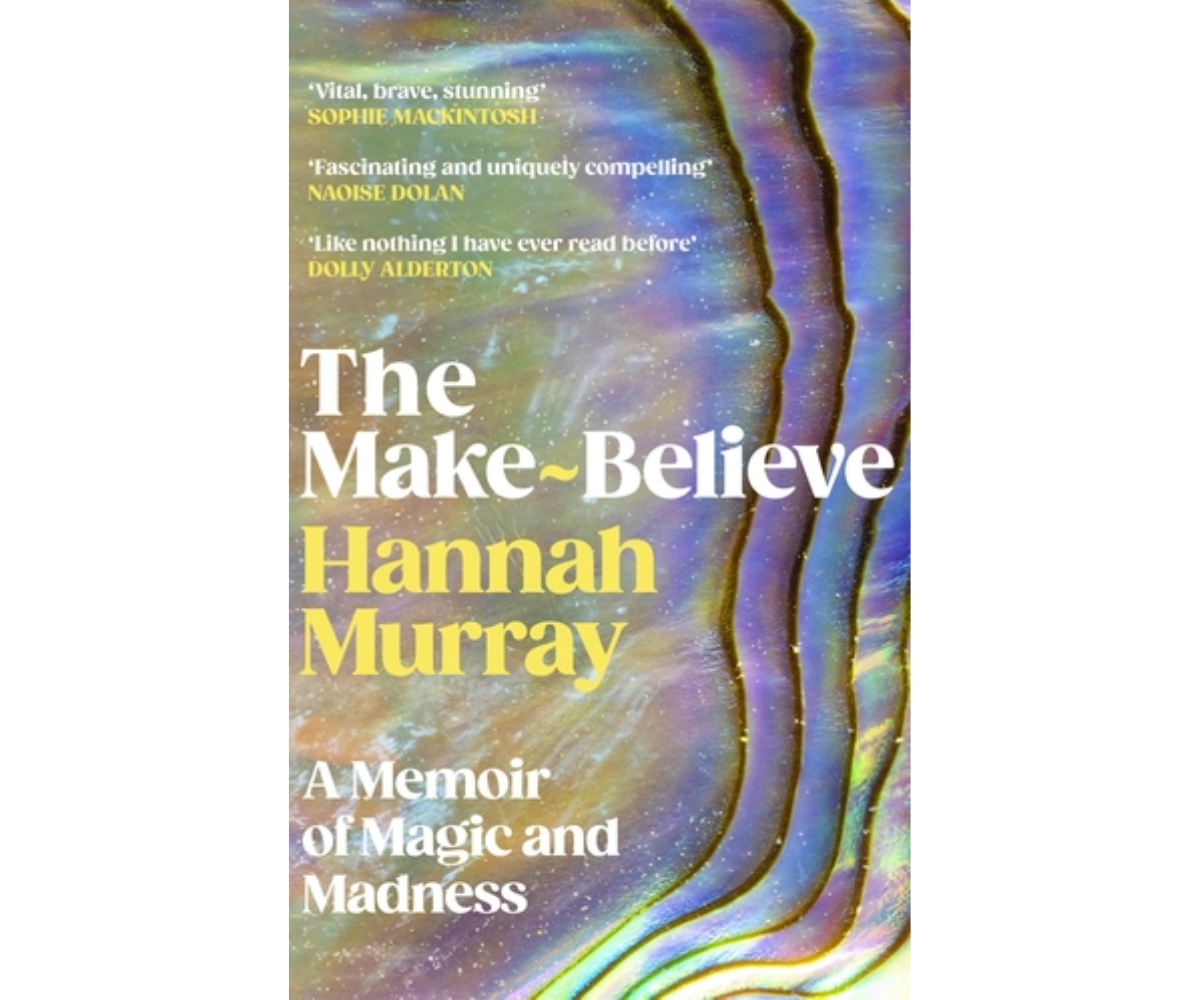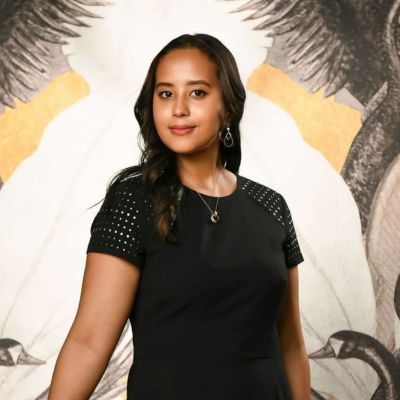

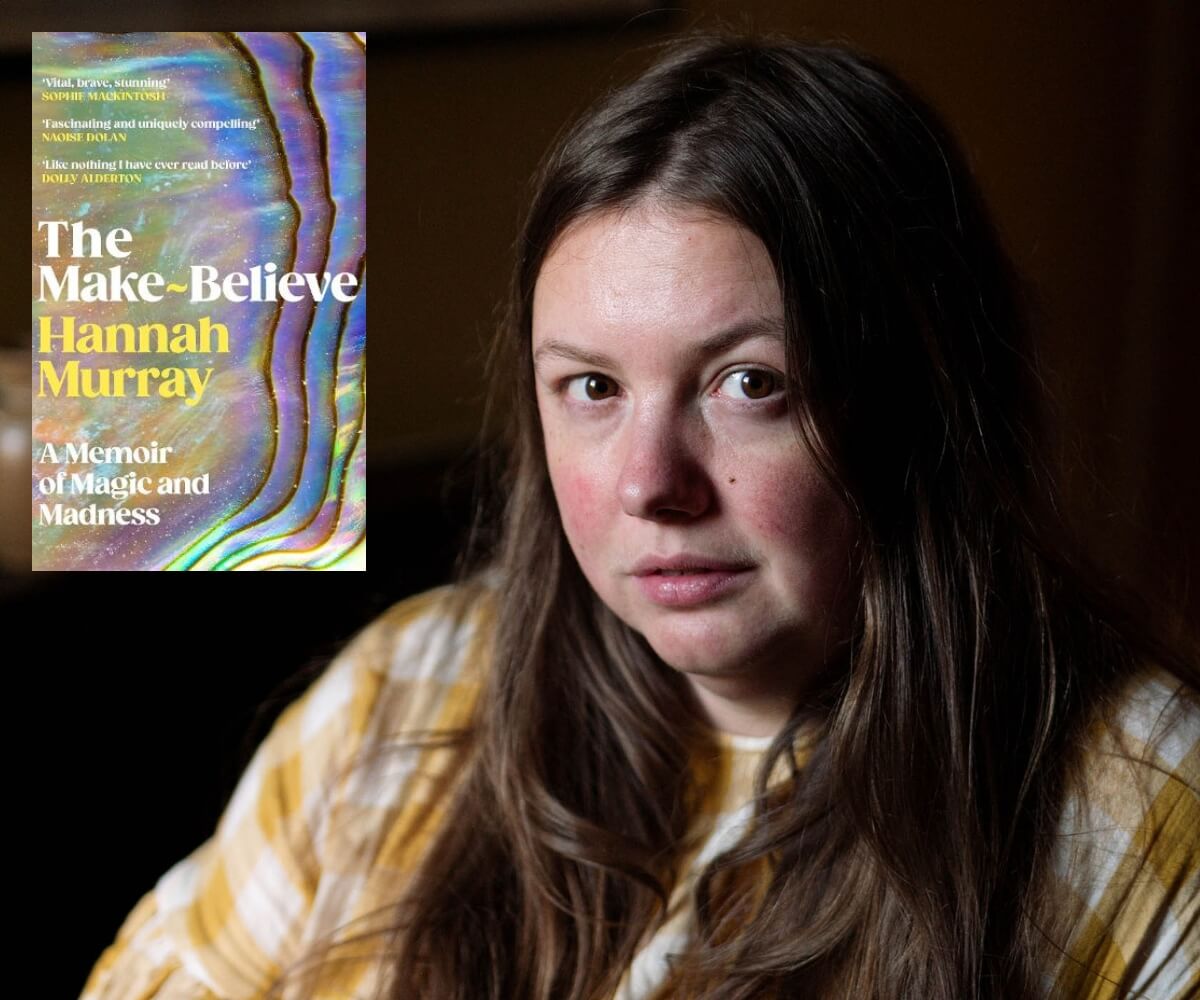
If you were an angsty teen in the mid-2000s, you probably knew Hannah Murray as Cassie Ainsworth in the hit Channel 4 drama Skins. The actress, who later appeared in Game of Thrones and Detroit, has largely stepped away from acting in recent years. The reason behind that decision is explored in her memoir ‘of magic and madness’, The Make-Believe. The book is out now and offers an unflinching account of Murray’s mental breakdown, decision to leave acting and experience joining a cult.
The Make-Believe details her complex emotional and spiritual journey joining an energy healing organisation. In doing so, she was pulled into a world where magic wasn’t just contained in Harry Potter books. It was real and all-consuming. Murray was initially attracted to the self-help message that the cult swore by. Still, what was meant to provide her mental, emotional, and even spiritual support ultimately put her in a mental institution.
Never holding back from the truth, Murray’s memoir is a compelling read that explores mental health, spiritual devotion, and fame. With the wellness industry growing exponentially, this book gives a nuanced perspective on the rise of cults within the healing space and the financial and mental burden they may cause. Here is our The Make-Believe review and a further glimpse at how this gripping page-turner unpacks Murray’s mental breakdown.
What Is The Make-Believe About?
Contrary to what most people might presume, Hannah Murray’s memoir The Make-Believe doesn’t detail her experience on the set of the British teen drama Skins. Nor does it delve into Gilly, her supporting role in Game of Thrones. Instead, it focuses on her mindset while filming Detroit. In it, she played Julie, based on a real victim of the 1967 Detroit riots. In the film directed by Kathryn Bigelow, Murray’s character has her clothes stripped from her body in an intense scene that shattered the actress beyond measure. Although she was reenacting a true event, Murray felt very much in Julie’s skin. Her body didn’t necessarily understand that what was happening in the scene wasn’t real.
After being recommended to an energy healer, the Skins alum felt instant relief after her first healing session. Almost as if her pain and depression were magically cured. She suddenly felt the urge to venture on a spiritual odyssey, involving rituals and magic. What started as spiritual cleansing later became Murray’s hyperfixation. From attending classes held by a spiritual organisation to later believing in its fantastical practices (which happened to include magic wands), the actress spent thousands on a wellness illusion. The more Murray engaged in energy healing and deepened her obsession with the organisation’s leader, the more unstable her mental state became.
While participating in a course in healing, Murray suffered from a psychotic break. She was sectioned in 2017 and forever altered by this incident. In The Make-Believe, she opens up about how her anxieties and fascination with magic led her down a dangerous spiral. The actress details this chapter of her life through whimsical storytelling and further insight into her thoughts and feelings about what happened to her, even if the lines between the real and make-believe seem blurry.
Does Hannah Murray Mention Skins and Game of Thrones in The Make-Believe?
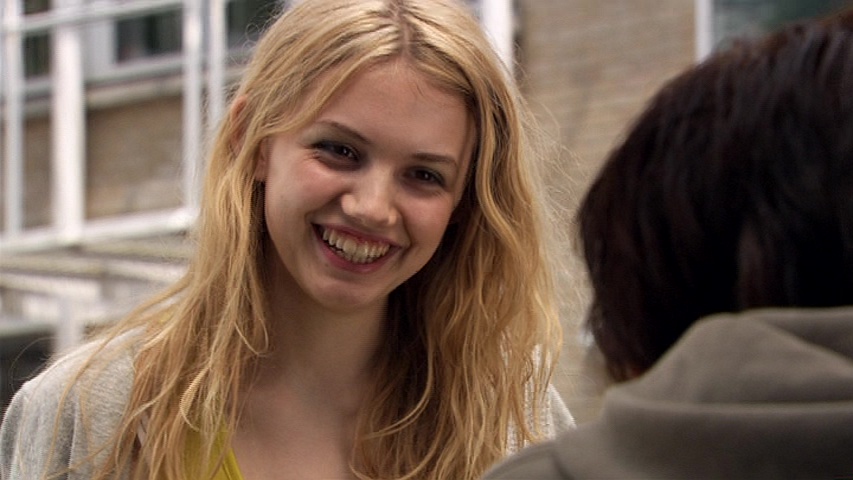
The Make-Believe briefly mentions Hannah Murray’s time in Skins and Game of Thrones. Unlike many celebrity memoirs, she doesn’t actually name any of her co-stars or share on-set insights into the making of both hit shows. Aside from sharing that she hangs out with a few cast members from Skins and Game of Thrones, she mostly mentions her work in Detroit and Charlie Says.
In one of the few times she mentions Skins, Murray discusses the parallels between her own eating disorder and that of her character, Cassie. “At seventeen, I was so thin I was cast in Skins as a teenager with anorexia and was not asked to lose weight for the role,” she says. “My twenties had played out against the backdrop of a series of restrictive eating patterns – first vegan, then low-carb, then Paleo – each of which I considered in turn to be the way, the truth, and the life. Controlling what I ate was my religion.” She reflects on her complicated relationship with diet during a pivotal moment in her memoir, when she starts to question the cult’s practices.
The Make-Believe Review
A little more than a year ago, another actress from teen drama origins published a memoir about her cult experience. Bethany Joy Lenz’s bestseller, Dinner for Vampires, discusses her affiliation with a cult-like church group while filming One Tree Hill. Although Lenz’s account is glaringly different from Hannah Murray’s, the search for belonging and its costly aftermath are applicable to both. In The Make-Believe, Murray uses fairy tale-like imagery to reflect on her time in an unnamed wellness cult. The Women’s Journal received an early copy of the actress’s memoir for review, and it’s a page-turner.
The Make-Believe isn’t a traditional celebrity memoir where the author’s famous work gets just as much focus as their own personal accounts. Murray’s experience shooting a graphic scene in Detroit might’ve been the catalyst for her cult immersion. Still, her book focuses on the person we haven’t had the chance to know beyond her better-known acting credits. Murray relays her inner thoughts without hesitation, detailing emotional highs and lows.
She reveals that even before joining the cult, she wrestled with her mental health and frequently numbed the pain through drugs, booze, and sex. She already lived with a mental illness, even if not diagnosed until after her mental breakdown. Her growing interest in getting healed and healing others led her to an obsession beyond reason. As part of the cult, Murray was given a magic wand that she could use not to cast spells but rather to realign one’s energetic field.
Murray’s emotional and mental spiral is perfectly encapsulated in her writing. The Make-Believe feels both unbelievable and unflinchingly honest. Although her talent on screen made her recognisable, she is also proving herself to be an author worth noting.
Why Did Hannah Murray Retire From Acting?
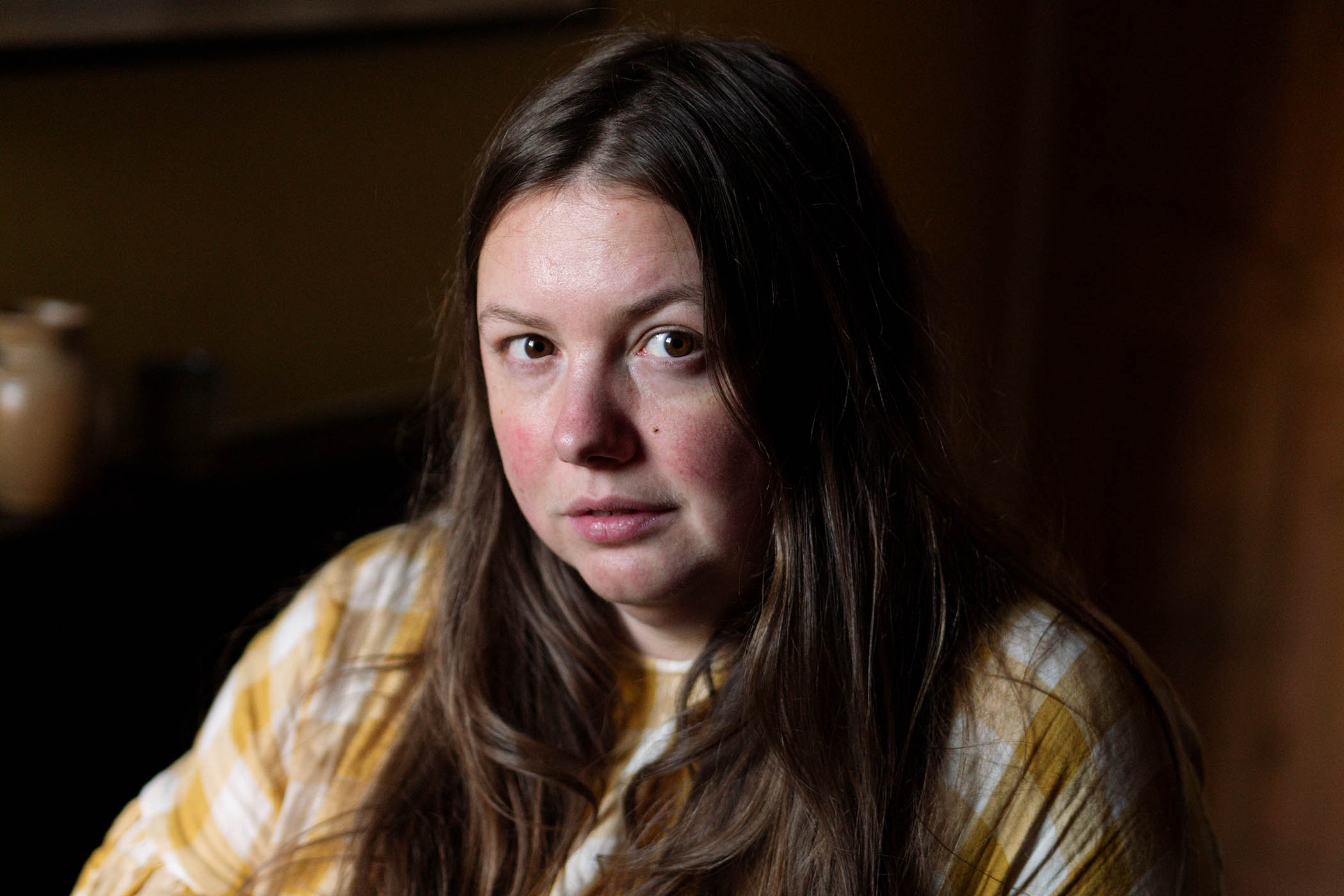
Throughout The Make-Believe‘s timeline, Hannah Murray was still a working actress. Her involvement with the cult happened during the span of a year, beginning shortly after she filmed Detroit. Her subsequent role in Charlie Says, a film where she played a Manson girl, marked her final feature-length acting credit. Surprisingly, this film also helped Murray recover from the mental and emotional distress following her exit from the spiritual group.
Murray’s cult experience contributed to her stepping out of the spotlight. “Like walking away from the organisation, retiring from acting involved grief. It involved a reshaping of how I saw my future, my destiny, and myself,” she says in The Make-Believe‘s epilogue. “A change of identity. And the possibility that I would no longer be special – or not in the way I had previously felt myself to be.”
After leaving Hollywood aside, Murray returned to university and graduated with a master’s degree in creative writing. Her memoir is proof that the actress’s decision to change careers might have been for the better. Keeping a low profile and living in East Anglia, Murray has been prioritising her mental health and well-being.
The actress was in a vulnerable position when she booked her first energy healing. Although joining the spiritual group led her to experience a psychotic break, she was later diagnosed with bipolar disorder. In The Make-Believe, Hannah Murray expresses the mixture of emotions in learning about her diagnosis. She hadn’t yet severed ties with the cult, so her initial instinct was to believe that there was nothing wrong. Yet, Murray also shared that underneath the scepticism, she was also relieved. “This could provide an explanation for many years of challenge, mental anguish, pain, confusion,” she writes.
How Does Hannah Murray’s The Make-Believe Discuss Mental Health?
Murray’s descriptive language and whimsical storytelling are integral to her memoir’s depiction of her mental health setback in 2017. Instead of stating what she went through, the actress lays bare what was going on in her convoluted mind. She masterfully captures her spiritual journey by describing the mentality she had as part of the cult in utter detail.
Her attraction to Steve, the organisation’s leader, contributes to her struggle in distinguishing what is and isn’t real. After all, Murray frequently mentions being plagued by his voice in her head and seeing traces of him in random places. Her ill-fated obsession with being his soulmate was largely attributed to a concept she was introduced to in the spiritual group.
Towards the end of her memoir, Murray shares that it was a gradual process to cut ties with the cult altogether. Although she’ll never fully recover from this intense chapter of her life, she’s been intentional about caring for her mental health. “I live with a mental condition. It is not easy to navigate,” Murray says. “There is much to learn, and I see the diagnosis as a kind of map or compass on the search for understanding. I want to know my own mind.”
Her personal story is a powerful cautionary tale. Finding mental health support is important, and so is understanding the problematic patterns that might stem from cult-like organisations. Being attentive to resources available and their credibility is necessary to achieve true healing.
The Make-Believe: A Memoir of Magic and Madness by Hannah Murray is available to buy now.