
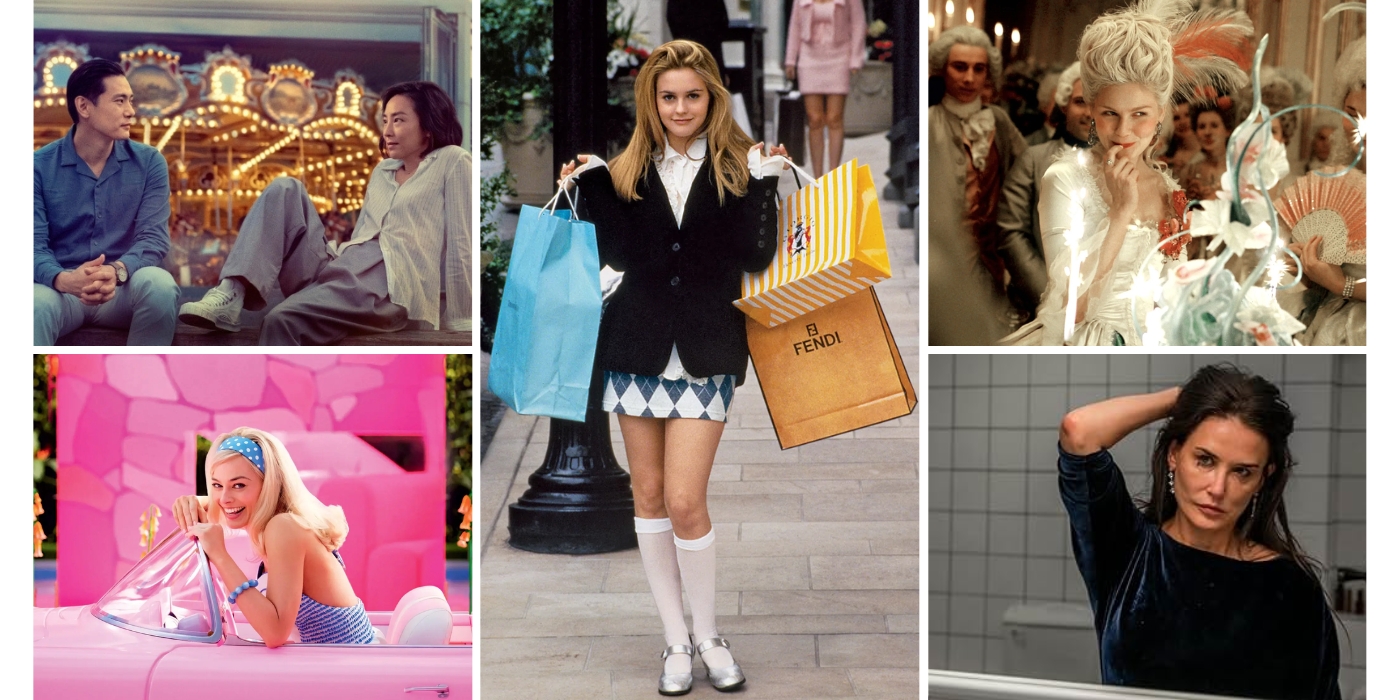
For years, women were only recognised for their work in front of the camera. But today, some of the best movies directed by women are among the most acclaimed in Hollywood. From award-winning movies directed by women to cult classics and modern blockbusters, female filmmakers are reshaping the industry and redefining women in Hollywood.
That recognition has been a long time coming. It was only in 2010 that Kathryn Bigelow became the first woman to win the Oscar for Best Director. Although only a handful of women have taken home the award since, there are countless female directors whose work deserves wider recognition, both critically and commercially.
From Clueless to Little Women, The Women’s Journal rounds up the best films directed by women, celebrating the creatives behind some of the industry’s most powerful storytelling. Many of these films are also regarded among the best feminist movies of all time, exploring womanhood, identity, equality and female empowerment through a distinctly female lens. This female-directed movies list showcases the range and influence of female filmmakers across the industry.
Best Movies Directed by Women in the 2020s
Many of these are among the best movies directed by women in recent years. The examples below include award-winning films and critically acclaimed performances that highlight the impact of female filmmakers in modern Hollywood.
Hamnet (2025) – Director: Chloé Zhao
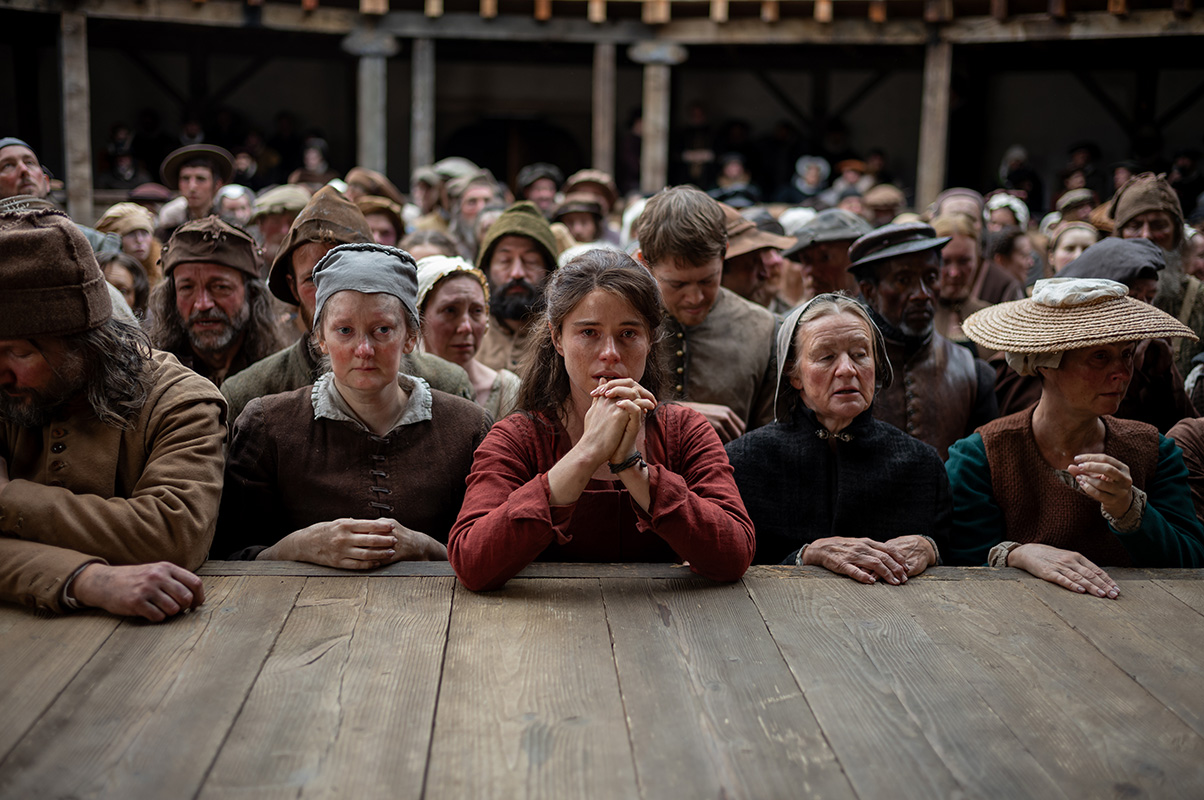
After becoming the second female director to win an Oscar for Nomadland, Chloé Zhao impressed audiences with her take on a Shakespeare tragedy. Hamnet, inspired by Maggie O’Farrell’s novel, is one of the most anticipated films made by women in recent years. It reimagines what it would have been like for Shakespeare (Paul Mescal) and his wife Agnes (Jessie Buckley) to grapple with the passing of their son. The play Hamlet was loosely based on their late child. Zhao’s film displays the despair and anguish both characters felt over their loss in contrasting ways. Agnes finds it hard to carry on, and so does her husband, but the latter uses the stage as his outlet for healing.
The Substance (2024) – Director: Coralie Fargeat
The Substance stands out among award-winning movies directed by women, with Coralie Fargeat offering a critical take on ageism in Hollywood. This must-see body horror film gives Demi Moore a role of a lifetime. In it, she plays a fading actress named Elisabeth Sparkle. Fired from her workout show, the character takes a mysterious injection that unlocks a younger, “more improved” version of herself. The key is for Elisabeth to switch places with her younger self every seven days to maintain the balance. Yet, as Sue (her alter ego) continues to bend the rules, Elisabeth suffers from dire consequences.
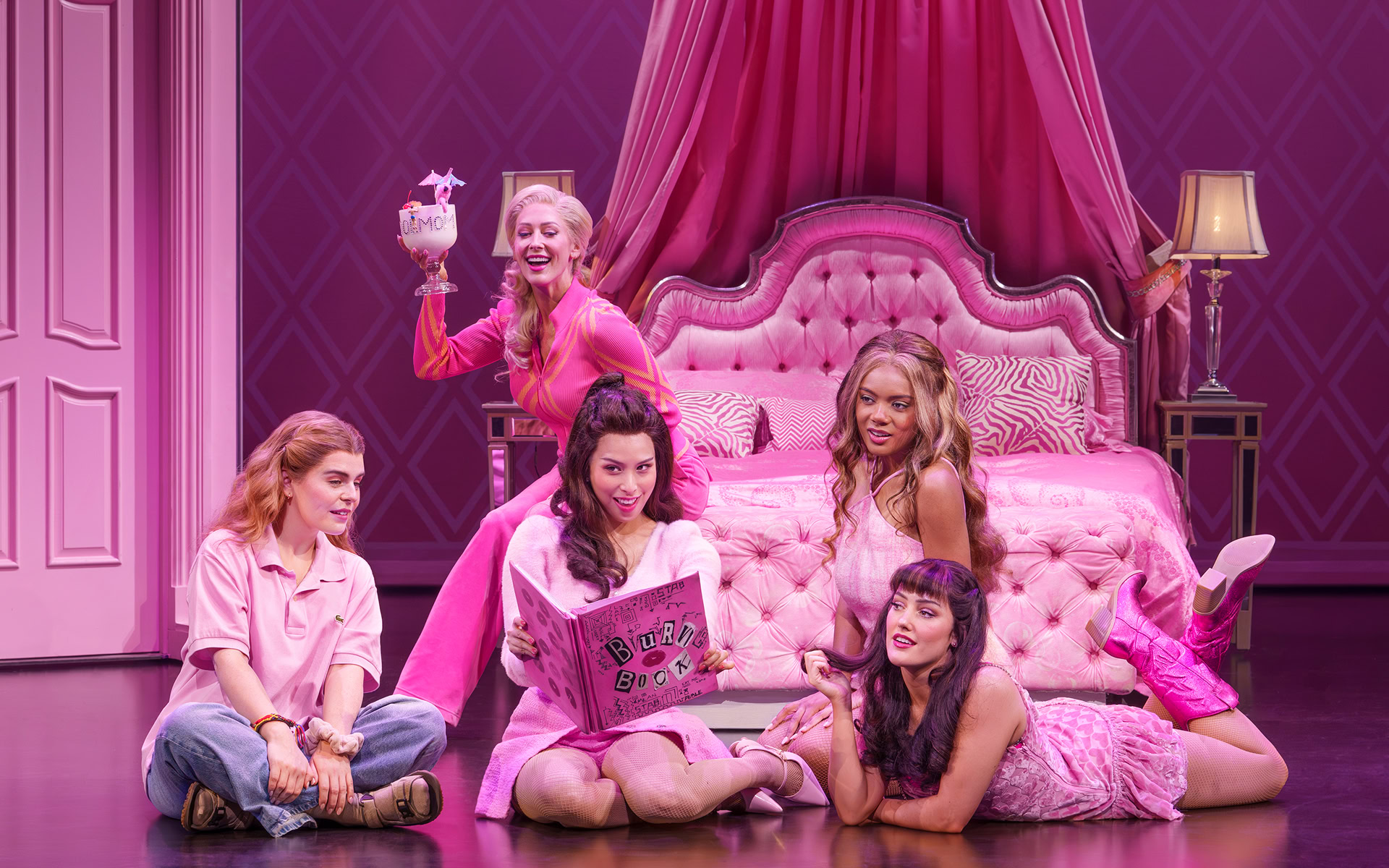
Barbie (2023) – Director: Greta Gerwig
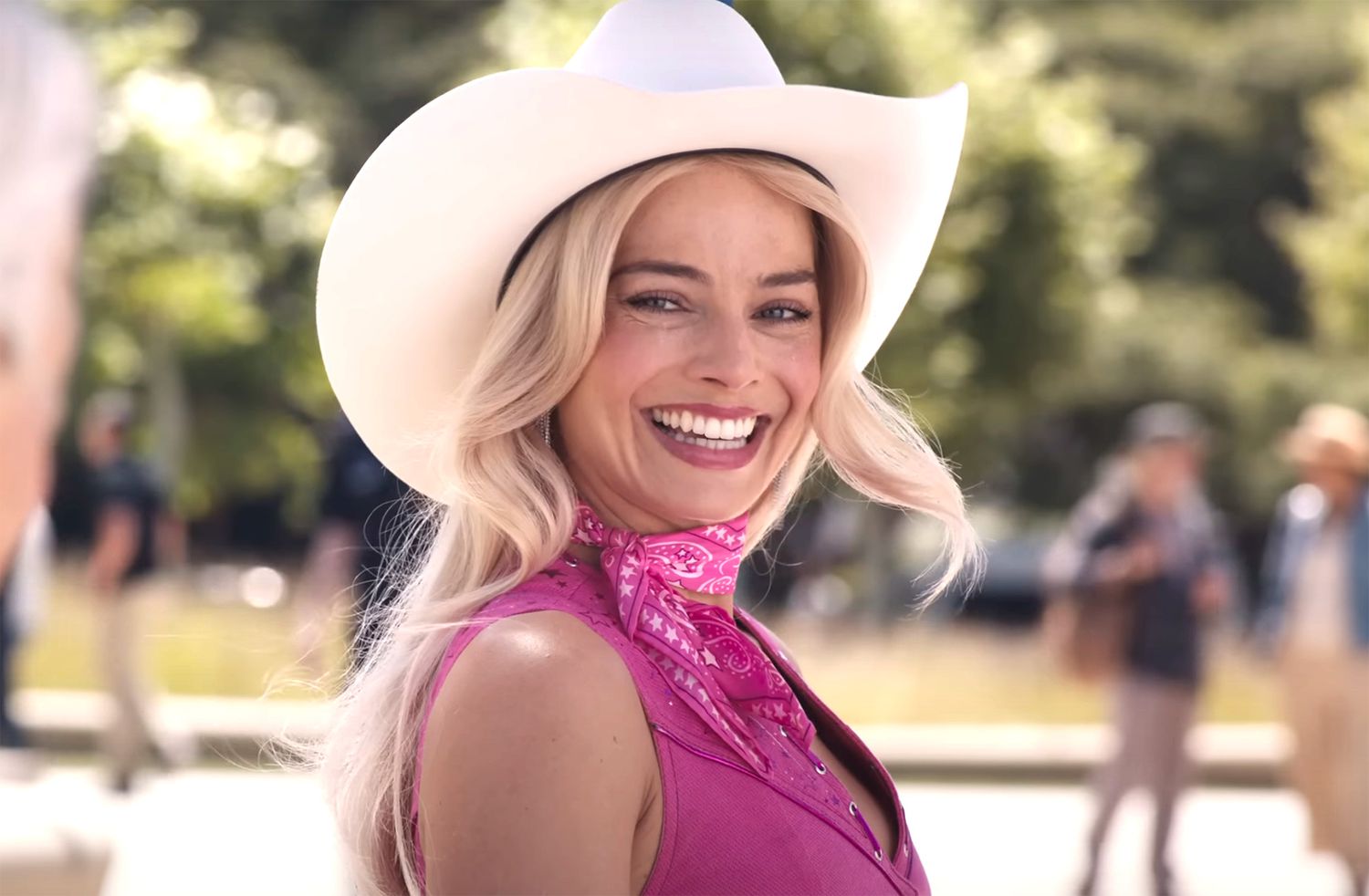
Greta Gerwig’s Barbie became one of the highest-grossing movies directed by a woman, cementing its place among the most successful female-directed films in Hollywood history. Bringing all shades of pink to the screen, the film gives an unexpected take on the iconic doll. At first, the titular character (played by Margot Robbie) is used to drinking out of plastic cups and getting wooed by Ken (Ryan Gosling). Yet, as she develops a mind of her own and leaves Barbie Land, she finally catches a glimpse of the real world. With guidance from a mother-daughter duo, Barbie comes to terms with what it means to be human. Clever and delightful, Gerwig’s film sums up the female experience in all its facets.
Past Lives (2023) – Celine Song
Past Lives is regarded as one of the best films made by women in recent years, and captures longing. How our lives would’ve turned out if we’d made different choices or ended up with someone else from our past. Celine Song’s 2023 film conveys that sentiment through Nora (Greta Lee) and Hae Sung’s (Teo Yoo) reunion. Inseparable during their childhood in Korea, the two parted ways after Nora’s family moved to North America. When Hae Sung visits Nora in New York, the pair rekindles their connection. They laugh at old memories and get emotional when realising that they could’ve been something more.
Aftersun (2022) – Director: Charlotte Wells
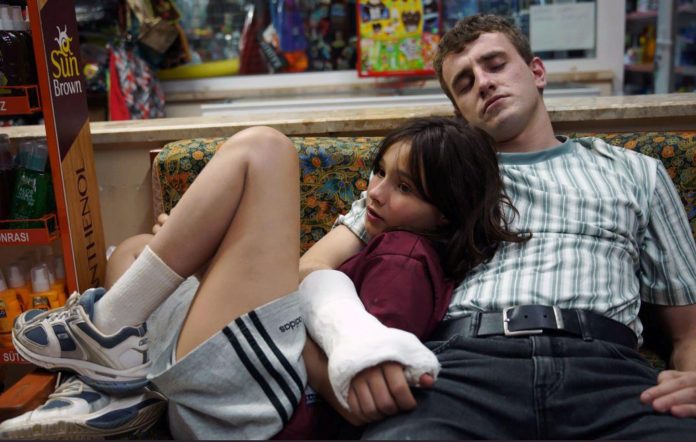
Making a directorial debut comes with immense pressure, but Charlotte Wells handled it like a natural. Aftersun follows Sophie (played by both Celia Rowlson Hall and Frankie Corio), a woman who is reminiscing about a summer she spent vacationing in Turkey with her father, Callum (Paul Mescal). The latter is dealing with depression and tries his best to hide his turmoil from his daughter. Later in life, after becoming a parent herself, Sophie grapples with memories of her relationship with Callum and the man she never had the chance to know.
Women Talking (2022) – Director: Sarah Polley
Women Talking is an award-winning film directed by a female filmmaker that explores how women in certain religious contexts are led to believe that they have roles to fill without hesitation. In Sarah Polley’s Oscar-winning adaptation, this concept is challenged when a group of Mennonite women breaks the silence. They share about the long history of abuse that they’ve been subjected to by the men in their colony. The characters then find the will to leave through a sense of sorority, ensuring a better future for their daughters.
The Lost Daughter (2021) – Director: Maggie Gyllenhaal
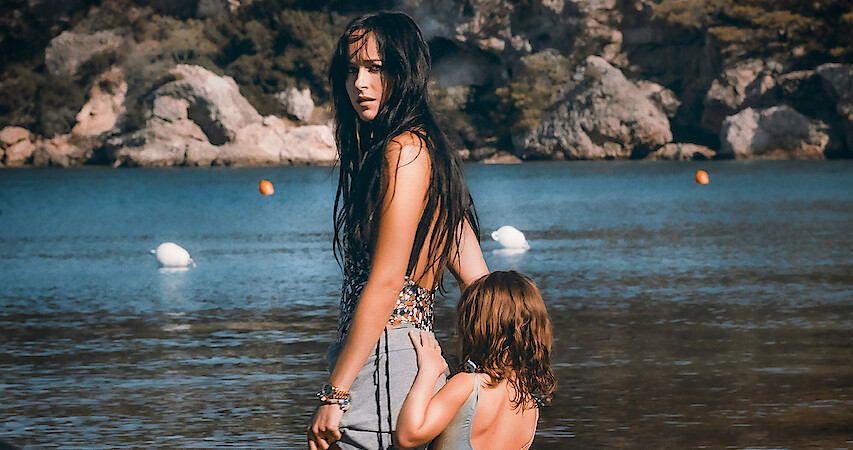
The Lost Daughter is one of the most critically acclaimed female-directed films in recent years, marking Maggie Gyllenhaal’s transition into directing. Her first attempt at leading a set was with The Lost Daughter, which garnered critical acclaim. The film is based on Elena Ferrante’s bestselling novel. It follows Leda (Olivia Colman), a middle-aged woman whose relaxing vacation is upended by a young mother (Dakota Johnson) struggling to calm her daughter down. This seemingly ordinary occurrence leads Leda on a trip down memory lane. She investigates her own challenges as a parent and the strenuous relationship that she has with her now-grown-up daughters.
Promising Young Woman (2020) – Director: Emerald Fennell
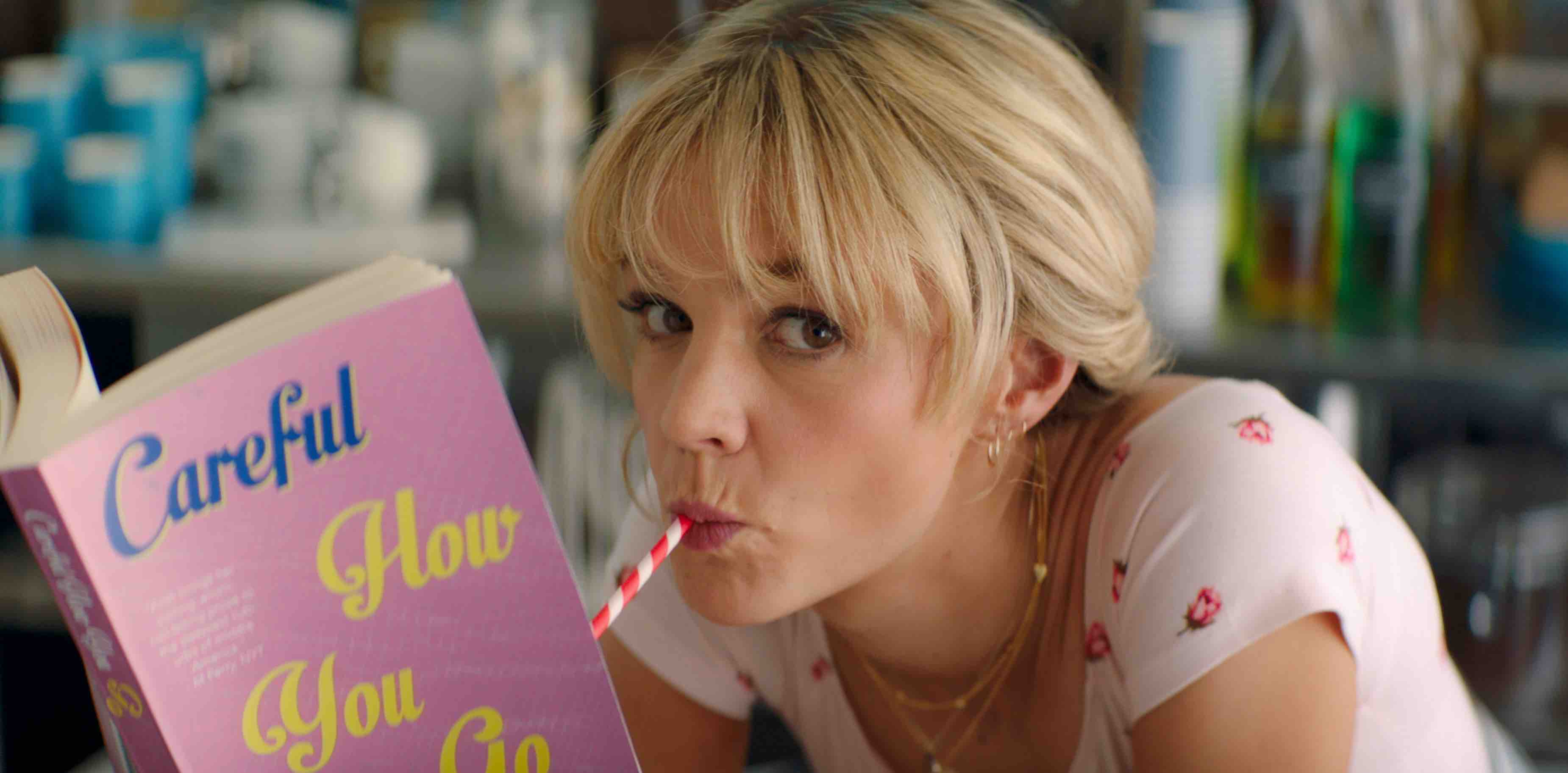
Promising Young Woman is one of the most talked-about female filmmaker movies of the past decade. Written and directed by Emerald Fennell, the film follows a medical school dropout who puts men to the test. To Cassie (Carey Mulligan), this is her way to avenge a tragedy from her past. After all, her college friend was sexually assaulted and subsequently died by suicide after the faculty failed to offer her support. Feigning drunkenness during her late-night club outings only to entrap men and confront them, the protagonist feels that it is her responsibility to make sure that no one else goes through what Nina did. In doing so, she meets someone who makes her question whether it’s possible to forgive and forget.
Nomadland (2020) – Director: Chloé Zhao
Chloé Zhao’s award-winning film Nomadland follows Fern (Frances McDormand), a widow in her 60s navigating the Great Recession. After her hometown experiences a financial collapse, Fern sees herself as houseless and struggling to make ends meet. As she journeys through the American West in her mobile home, she makes new friends along the way and recovers from grief. Zhao’s film is a sensitive take on what it means to be a modern-day nomad, searching for community and freedom.
Best Female-Directed Movies of the 2010s
From indie gems to blockbuster successes, this decade produced some of the top movies by female directors. Some of these films made by women gained greater recognition across both independent cinema and Hollywood.
Booksmart (2019) – Director: Olivia Wilde
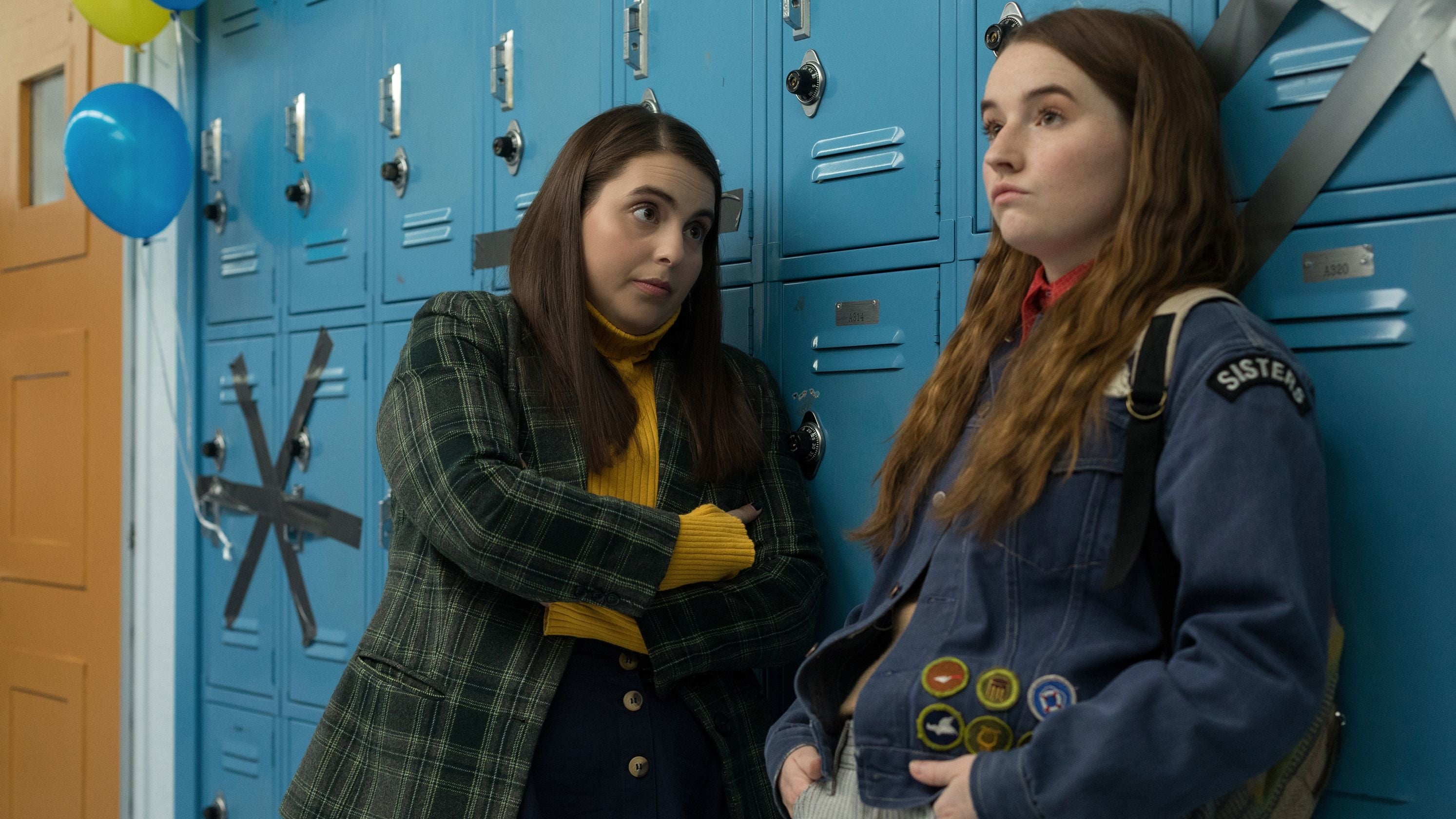
Imagine if Superbad was made by a female director? Olivia Wilde’s directorial debut, Booksmart, is likely what you’d get. This Gen Z favourite follows Molly (Beanie Feldstein) and Amy (Kaitlyn Dever), two high-achieving students who realise that their efforts to secure spots in Ivy League schools were in vain. After all, their classmates who partied their way through high school have also been accepted to prestigious universities. Trying to make up for the lost time, Molly and Amy cram a whole night of activities that they missed out on.
Portrait of a Lady on Fire (2019) – Director: Céline Sciamma
Céline Sciamma’s 18th-century historical romance won multiple awards at Cannes and remains venerated by cinephiles. The period drama is centred on Marianne (Noémie Merlant), an artist who is tasked with painting a portrait of Heloise (Adèle Haenel), an aristocrat who is soon to be married off to a man of her stature. Heloise refuses to pose for the portrait because she has no interest in getting married. Therefore, Marianne spends time with her and memorises the young woman’s features to recreate them on the canvas. It is throughout this process that the two characters form an unbreakable bond.
Little Women (2019) – Director: Greta Gerwig
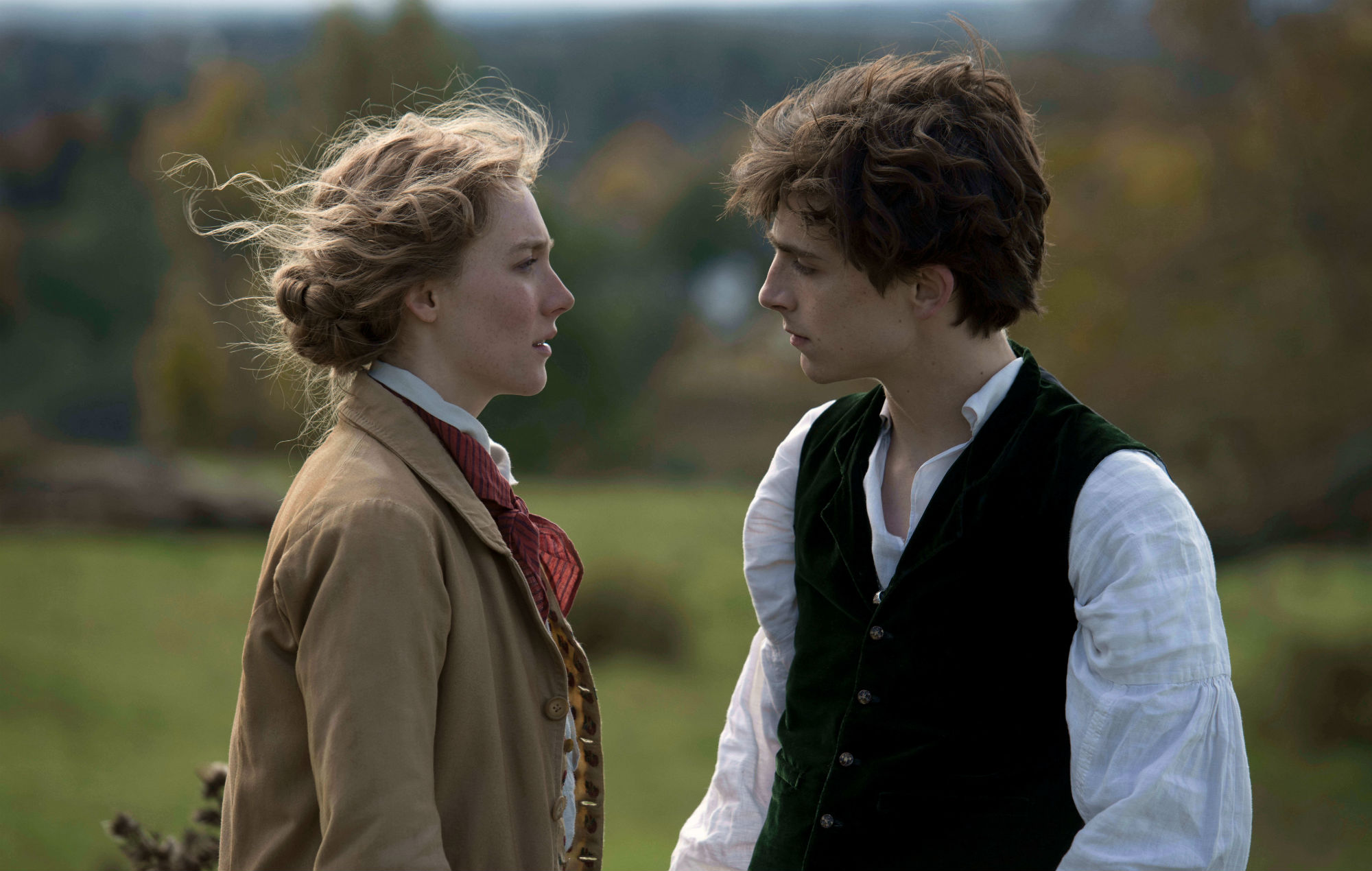
The 1994 version of Little Women remains one of the top movies by female directors. Still, Greta Gerwig’s remake has also become the equivalent of a comfort watch. Saoirse Ronan, Emma Watson, Florence Pugh, and Eliza Scanlen play the March sisters in this version. The film offers a heartwarming retelling of their coming-of-age journeys set in 19th-century Massachusetts. From Jo carving her own path as a writer to Meg finding fulfillment in a loving marriage, you’ll certainly connect with at least one of the core characters.
Lady Bird (2017) – Director: Greta Gerwig
Before Barbie and Little Women, Greta Gerwig made her directorial debut with Lady Bird. Loosely based on her own coming-of-age experience in Sacramento, the film follows a rebellious teenager named Christine (Saoirse Ronan) who is longing to escape her dull hometown. Yet, her family’s financial struggles and her average performance in school make this a distant dream. As Christine concludes her senior year, she falls in love, experiences her first heartbreak, and comes to terms with her complex relationship with her mother (Laurie Metcalf).
Wonder Woman (2017) – Director: Patty Jenkins
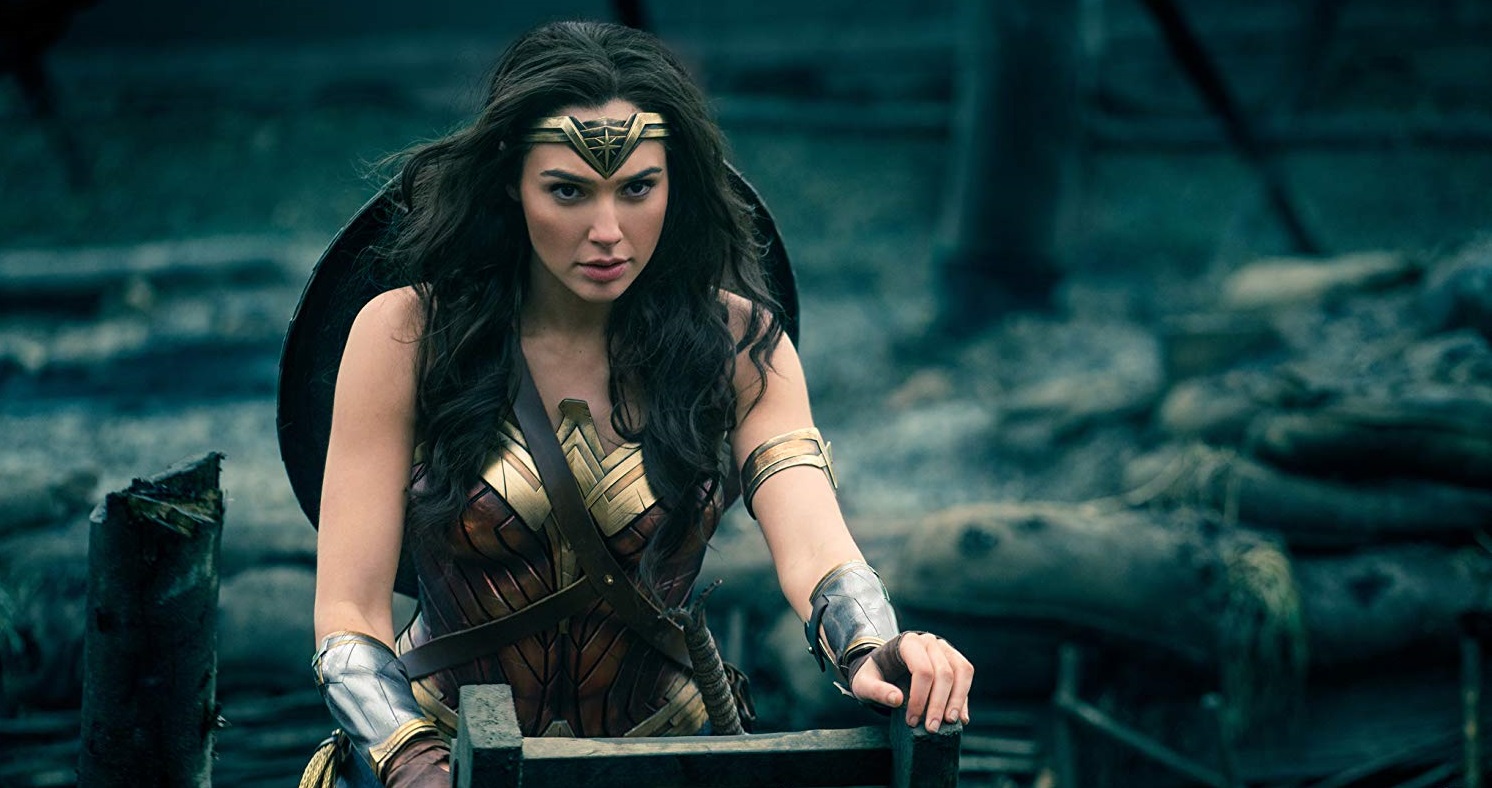
Wonder Woman is one of the most successful Hollywood films directed by women. Female superheroes have long been hypersexualised on screen, but Patty Jenkins’ 2017 remake of Wonder Woman is a rare exception. In it, Diana (Gal Gadot) plays an Amazon princess trained to become a warrior. Despite her sheltered upbringing, a chance encounter with an American pilot leads Diana to fight for justice in the outside world. As she joins the battlefield during World War I, she steps into her power and unlocks her full potential.
Selma (2014) – Director: Ava DuVernay
Ava DuVernay’s Selma is a standout among movies directed by Black women, and DuVernay is an inspiration for filmmakers on the rise. It focuses on Martin Luther King Jr’s (David Oyelowo) campaign for equal voting rights for Black people. Although the Civil Rights Act of 1964 was already in effect, the struggle to combat segregation continued. Selma explores King’s complicated path to success, and viewers interested in political dramas and inspiring true stories will be moved by DuVernay’s film.
Frozen (2013) – Co-Director: Jennifer Lee
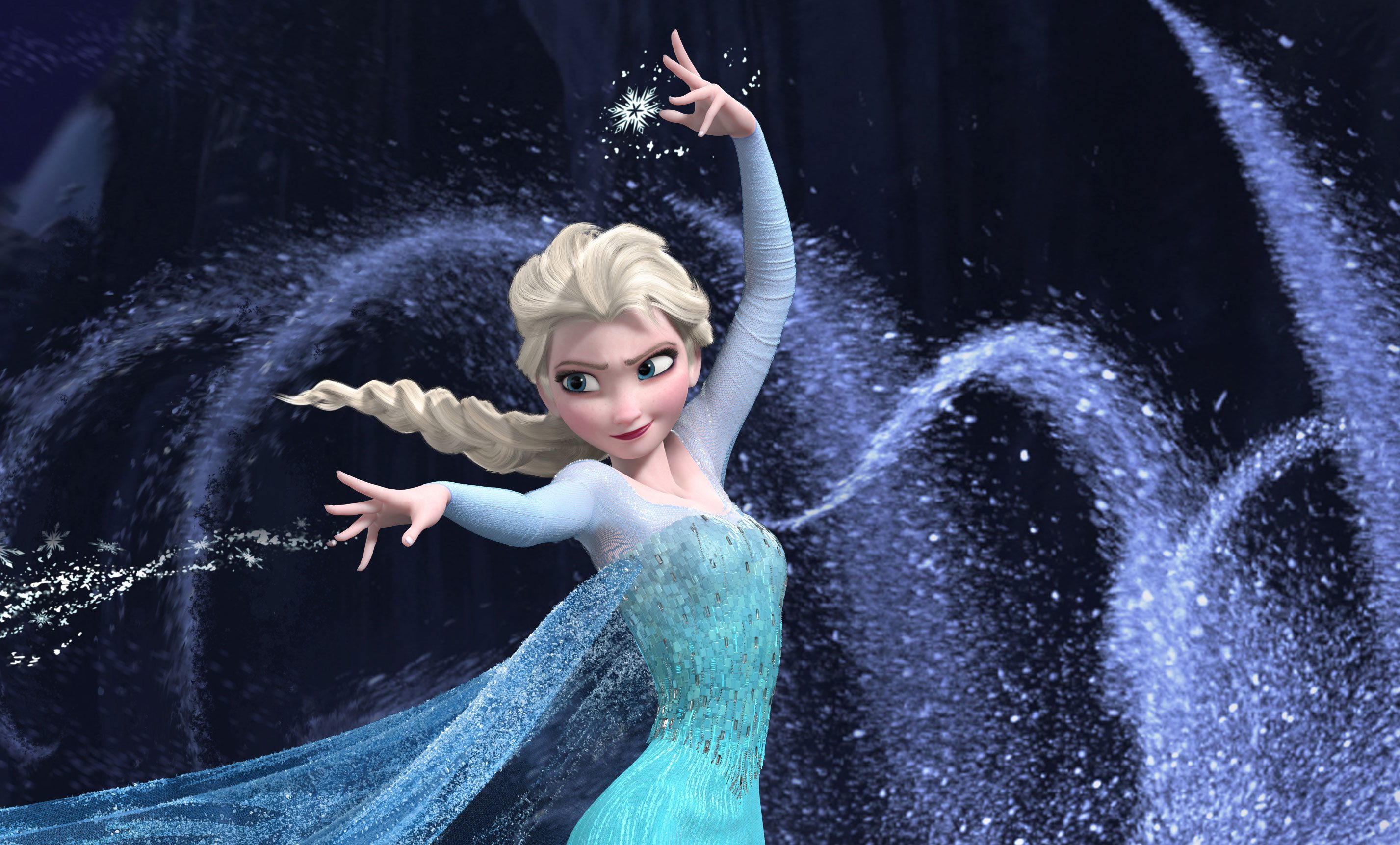
Frozen was the first Disney animated feature to be directed by a woman. Jennifer Lee co-directed it with Chris Buck, in addition to becoming the first female chief creative officer of Walt Disney Animation Studios. The first film follows Princess Elsa (Idina Menzel) as she tries to control her powers in time for her coronation. When she accidentally casts a spell on the kingdom, condemning it to eternal winter, Elsa runs away to isolate herself. Joined by Kristoff (Jonathan Groff), his loyal reindeer, and a snowman, Anna (Kristen Bell) sets out on a mission to find her. Instead of Elsa being saved by a romantic relationship, it is her sister who comes to her rescue. Both Frozen films surpassed $1 billion at the box office, proving that movies directed by women can be commercially successful.
Zero Dark Thirty (2012) – Director: Kathryn Bigelow
Kathryn Bigelow’s action thriller Zero Dark Thirty focuses on the aftermath of 9/11 through the lens of a CIA analyst. Maya (Jessica Chastain) is determined to track down Osama bin Laden, resorting to violent tactics to find out where he is. When the protagonist begins to think her efforts were in vain, the U.S. Navy SEAL finally gets to the terrorist leader using her lead. Bigelow’s exhilarating film received critical acclaim for its realistic take on intelligence gathering and how exhaustive the investigation process is. Chastain delivers one of her most notable performances here, earning her second Oscar nom for Zero Dark Thirty.
Classics & Pop Culture Movies Directed by Women
These classic films directed by women have had a lasting cultural impact, with many now recognised among the greatest movies by female filmmakers in both Hollywood and independent cinema.
Twilight (2008) – Director: Catherine Hardwicke
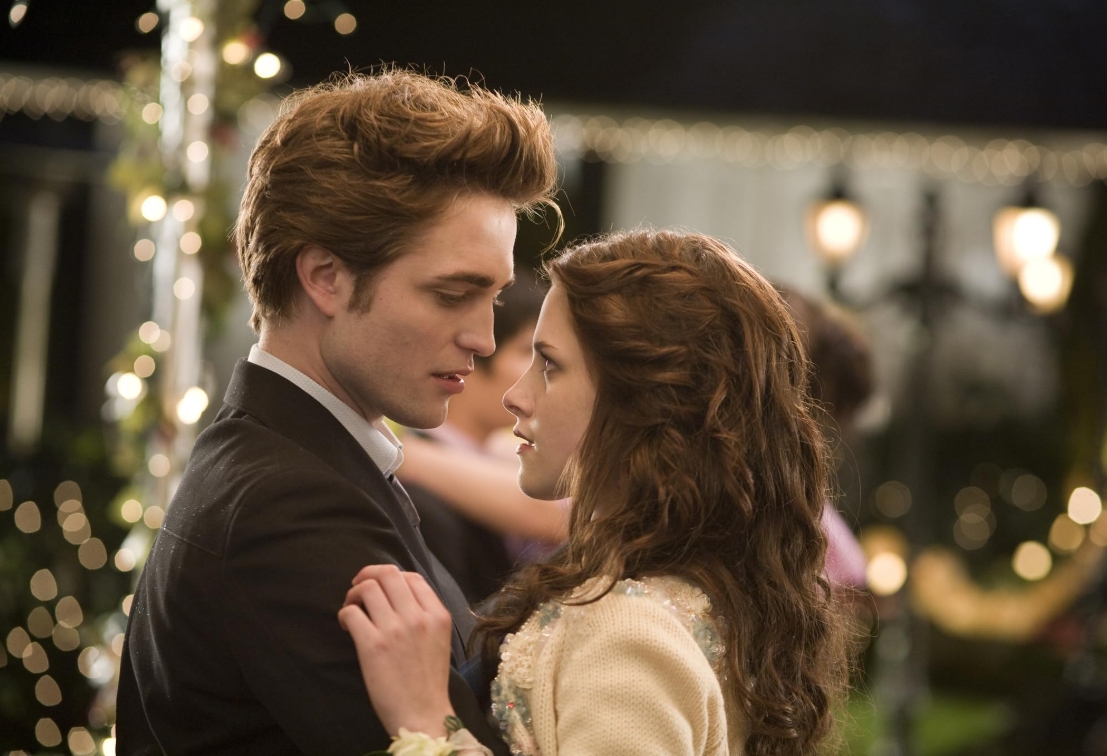
Twilight remains one of the most recognisable films directed by women, and it’s time to acknowledge the franchise as a pop culture landmark. The first film remains the most stylish of the blockbuster franchise, largely due to Catherine Hardwicke’s distinct creative direction. Twilight follows Bella (Kristen Stewart) after she moves to Forks and meets Edward (Robert Pattinson), a classmate she quickly develops a crush on and who is secretly a vampire. Edward’s supernatural identity makes a relationship with Bella basically forbidden by nature. Since the lead stars are taking Hollywood by storm right now, their 2008 film should be deemed a cult classic with iconic needle drops.
The Hurt Locker (2008) – Director: Kathryn Bigelow
As previously mentioned, Kathryn Bigelow remains one of the few women to win an Oscar for best director. She became the first female filmmaker to win the accolade in 2010 for her work in The Hurt Locker. Set in Baghdad, this war drama focuses on the members of the bomb-disposal unit led by the reckless Sgt. William James (Jeremy Renner). As they reach the last few weeks of deployment, James orders his subordinates to disarm explosives without thinking twice. The film explores the addictive nature of adrenaline, particularly in a war environment where you are constantly pushed to the limit.
Marie Antoinette (2006) – Director: Sofia Coppola
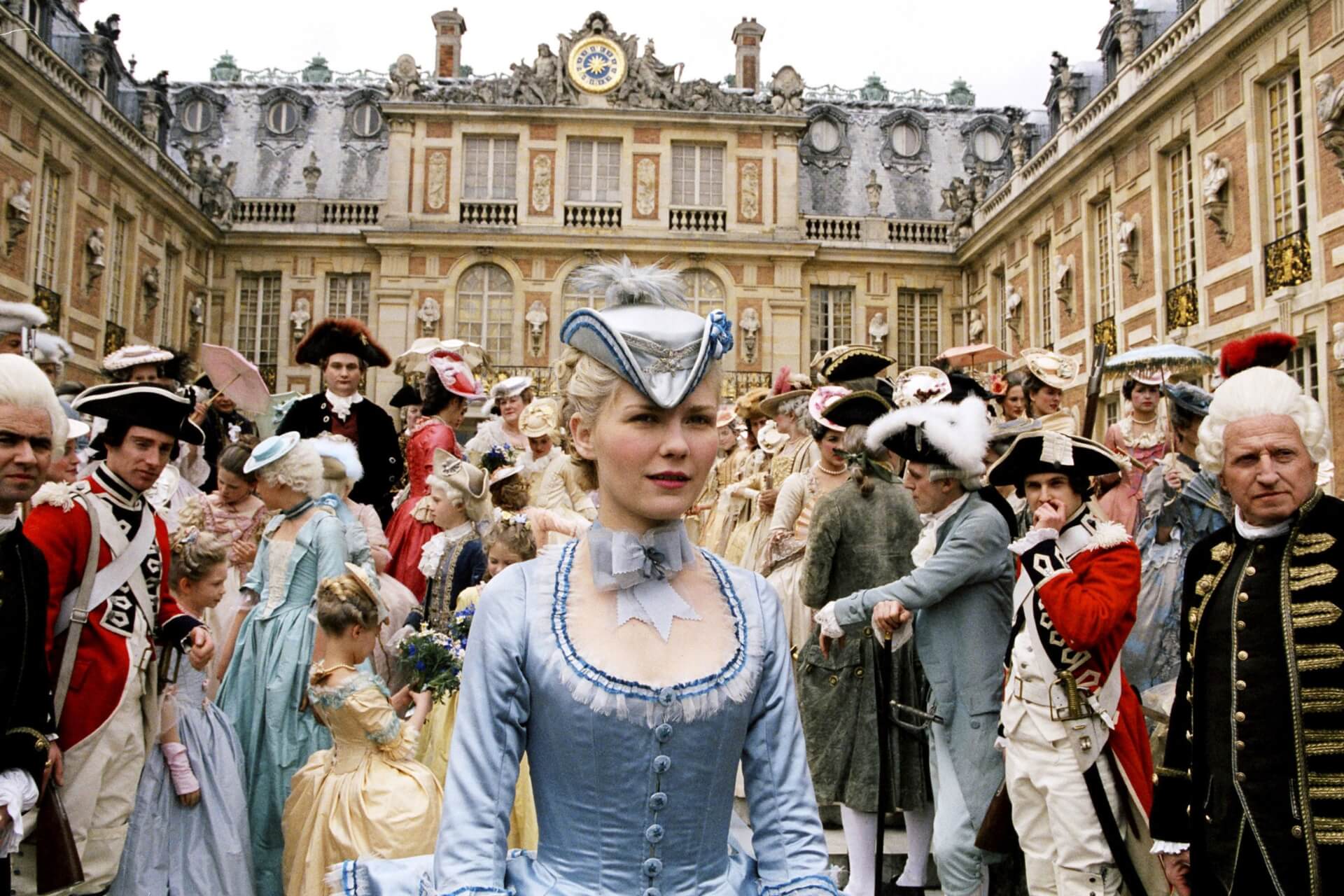
There’s no doubt that Sofia Coppola is one of the most esteemed female directors of our time, with mesmerising films like The Virgin Suicides and Lost in Translation as part of her prolific filmography. Yet, the title that best showcases both Coppola’s knack for storytelling and visual identity is Marie Antoinette. Sofia Coppola’s Marie Antoinette is amongst the greatest movies by female filmmakers for good reason, showcasing her distinct visual style. With her frequent collaborator Kirsten Dunst playing the titular role, the film is a reimagining of the French Queen’s coming-of-age journey, having to adapt to the strict norms of Versailles and resorting to a luxurious lifestyle as a coping mechanism for loneliness. Although her lavish reality is notorious in history books, Coppola’s take on the monarch is more empathetic, focusing on how Versailles became Marie Antoinette’s golden cage.
Lost in Translation (2003) – Director: Sofia Coppola
A defining film of early-2000s cinema and one of Coppola’s most acclaimed works, Lost in Translation is a must-see. It follows Bob Harris (Bill Murray), a fading Hollywood actor who travels to Tokyo to shoot a whiskey commercial. There, he forms an unlikely bond with Charlotte (Scarlett Johansson), a newlywed who feels lonely in a foreign city. Together, they enjoy Tokyo’s vibrant nightlife and grow closer despite Charlotte’s marital status. Regardless of their age gap, the main characters are both experiencing an existential crisis and find solace in each other’s company.
American Psycho (2000) – Director: Mary Harron
American Psycho was made better because it was directed by a woman. Mary Harron crafted a satirical classic that could’ve easily been a misogynistic horror film if made by someone else. In it, Christian Bale plays a Wall Street banker whose extravagant lifestyle proves to be painfully pretentious. Patrick Bateman’s obsession with appearances and greed drives him to become a serial killer. As his crimes turn more gruesome, Bateman’s reputation and social status drive away suspicions. The film proves how money and power can often prevent perpetrators from being held accountable.
Clueless (1995) – Director: Amy Heckerling
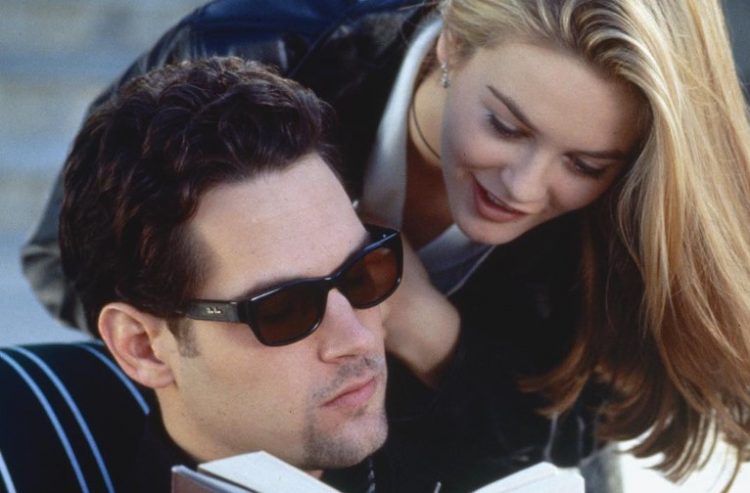
After leaving her mark in the YA genre with Fast Times in Richmond High, Amy Heckerling’s follow-up became an instant classic. Clueless was countercultural for many reasons, but primarily for its fashion choices and its witty script, loosely inspired by Jane Austen’s Emma. The ‘90s gem is centred on Cher (Alicia Silverstone), a popular high school student who uses her influence and goodwill to play matchmaker and help a new classmate with a makeover. Yet, despite her being smart and well-intentioned, Cher is naive to her own wants and misjudges the feelings of those around her. Throughout the film, she finally understands who she wants to be and who she wants to be with.
The Piano (1993) – Director: Jane Campion
Before receiving an Oscar for Best Director, Jane Campion was hailed for her work in The Piano. The film won a Palm d’Or at Cannes and led to her first Academy Award win for Best Original Screenplay. In The Piano, a mute pianist (Holly Hunter) relocates to New Zealand with her young daughter (Anna Paquin) after having an arranged marriage. With life taking a different course than she’d anticipated, and her husband getting rid of the instrument that gave her a voice, Ada finds solace in the presence of her husband’s acquaintance (Harvey Keitel).
Big (1988) Director: Penny Marshall
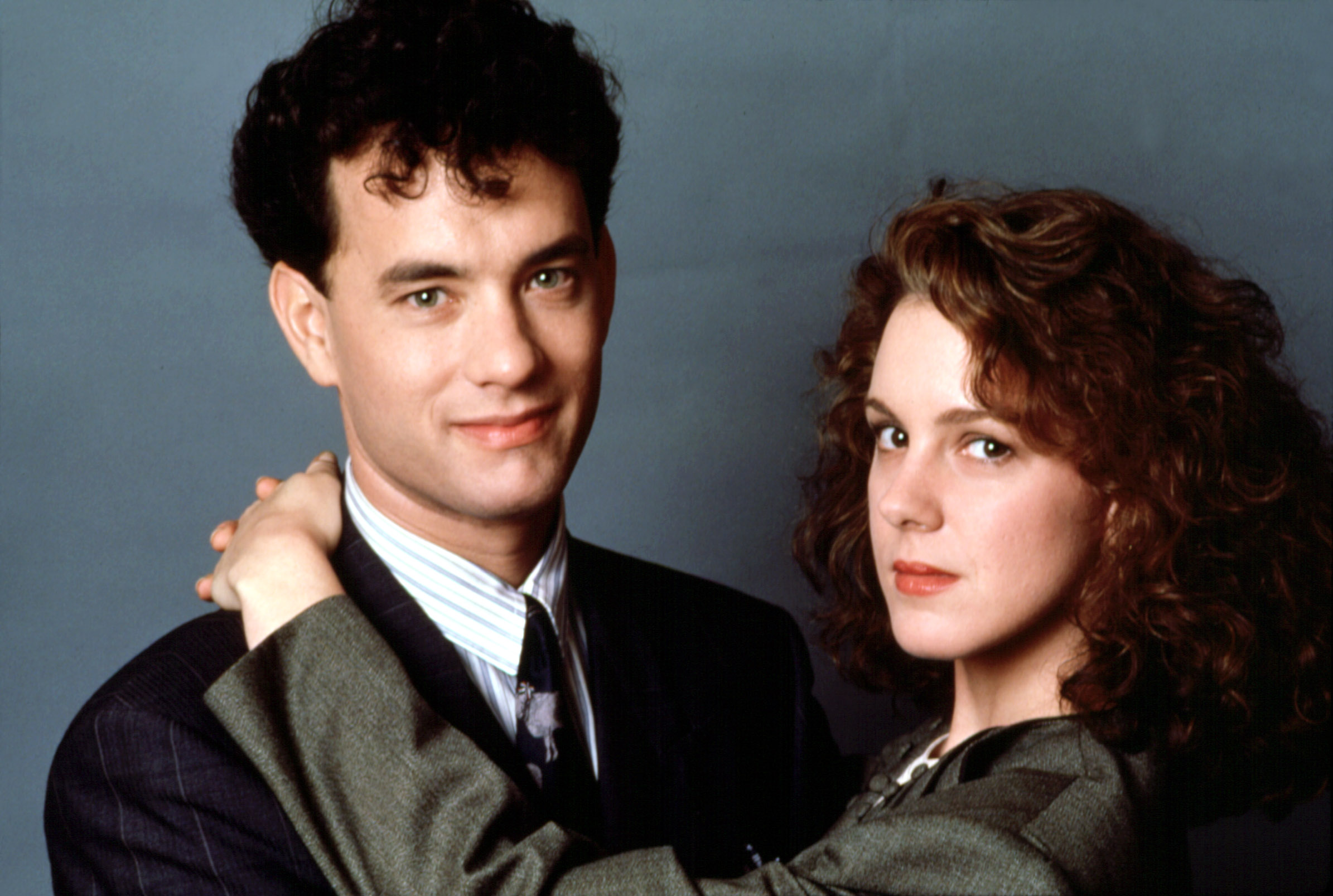
If you crave a feel-good watch that appeals to all age groups, Penny Marshall’s Big is a must-see. Led by Tom Hanks, the film follows Josh Baskin as he goes from a 12-year-old to a 30-year-old overnight. Having to support himself and take on the shoes of a grown-up, the protagonist finds a job at a toy store and soon takes a liking to a co-worker. His childish imagination converts to bright ideas, allowing him to get noticed in the workplace. Still, the pressure of being an adult catches up to him, making him crave the simplicity of being a kid again. 13 Going on 30 came out years after Big proved that body-swap premises were worthwhile.
Female filmmakers continue to shape the future of cinema across every genre, from indie dramas and historical romances to psychological thrillers and blockbuster hits. While recognition in Hollywood has historically been unequal, the success of these movies directed by women proves that audiences are eager for stories told through fresh and diverse perspectives.
Whether revisiting cult classics like Clueless and The Piano or discovering modern masterpieces like Past Lives and Aftersun, these films highlight the creativity, influence and cultural impact of women directors across generations.
FAQs About Movies Directed by Women
What are the best movies directed by women?
Some of the best movies directed by women include Barbie, Little Women, Portrait of a Lady on Fire, Clueless, The Piano and Past Lives.
Who was the first woman to win Best Director at the Oscars?
Kathryn Bigelow became the first woman to win the Academy Award for Best Director in 2010 for The Hurt Locker.
What are the highest-grossing movies directed by women?
Barbie, Wonder Woman and Frozen are among the highest-grossing movies directed by women.
Which female directors are most influential in Hollywood?
Greta Gerwig, Sofia Coppola, Ava DuVernay, Jane Campion, Chloé Zhao and Patty Jenkins are among the most influential female filmmakers today.
What are the best indie films directed by women?
Aftersun, Past Lives, Portrait of a Lady on Fire and The Lost Daughter are critically acclaimed indie films directed by women.