
Exhibition On Screen’s latest production focuses on one of the most influential feminist artists of all time. Frida Kahlo was revolutionary without intending to be so, using her subversive paintings to tell her story. Frida Kahlo: The Making of an Icon, directed by Ali Ray, is a poignant new documentary exploring the recognisable figure we’ve come to know through her pop culture legacy. Her unibrow and braided hairdo might be more familiar than her artistry, yet the film seeks to show that there is more to the icon than what meets the eye. The documentary arrives ahead of Tate Modern’s major Frida: The Making of an Icon exhibition opening in London this summer.
In addition to the award-winning documentary’s upcoming cinema release, the Tate Modern will welcome a major Frida Kahlo exhibition this summer featuring 30 of the artist’s celebrated masterpieces. Before getting to see her artwork in London, Frida Kahlo: The Making of an Icon provides further insight into the hidden meanings behind her renowned paintings and how her experiences were expressed through her vibrant brushstrokes. Ahead of its theatrical run, The Women’s Journal had the chance to watch the new documentary on the big screen. Here’s everything you need to know before watching it, including our review and exclusive interview with the film’s director.
Inside Frida Kahlo: The Making of an Icon
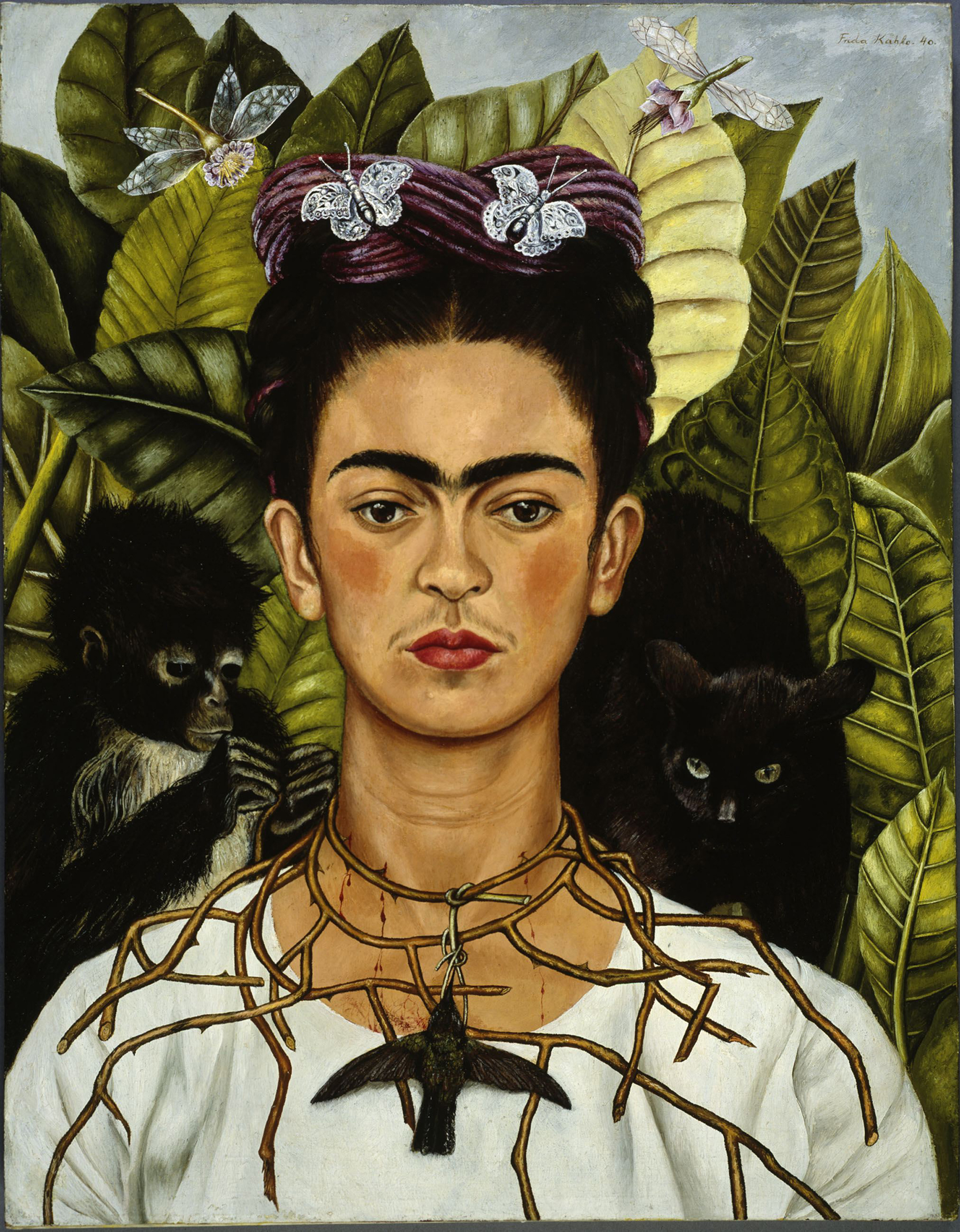
Frida Kahlo was an artist ahead of her time. Frida Kahlo: The Making of an Icon explores the parallels between the Mexican painter’s esteemed works and her personal life. Led by her heart and lived experience, her works featured love, heartbreak, and unfiltered looks at miscarriage, sexuality, and health setbacks. Her pain and emotional intensity are captured in both her self-portraits and her visceral paintings, and the documentary focuses on how Kahlo shared her truth through the canvas. Despite being deemed a surrealist artist, Kahlo’s paintings depicted real-life events as well as objects in her midst.
Ali Ray directed Frida Kahlo: The Making of an Icon with the support of BAFTA-winning producer Phil Grabsky. She was initially apprehensive about bringing Frida Kahlo’s journey and artistry to the screen. After all, the 2002 biopic led by Salma Hayek offered ample insight into the feminist icon. However, she later reconsidered the opportunity to dig deeper into Kahlo’s artworks, given that the latter’s persona has become much more recognisable than her own paintings.
“It took me about nine months to research and read every single thing I could get my hands on to really understand her as an artist,” Ray tells The Women’s Journal. The filmmaker believes that Kahlo’s success was often undermined during her existence because she lived in the shadow of her husband, Diego Rivera. “In fact, there was a newspaper article that came out at the time in America when she was there with him, and the headline was Rivera’s wife dabbled in painting,” she says. That’s when Ray noticed what Kahlo was up against and why her story was still worth exploring today.
Where to Watch Frida Kahlo: The Making of an Icon
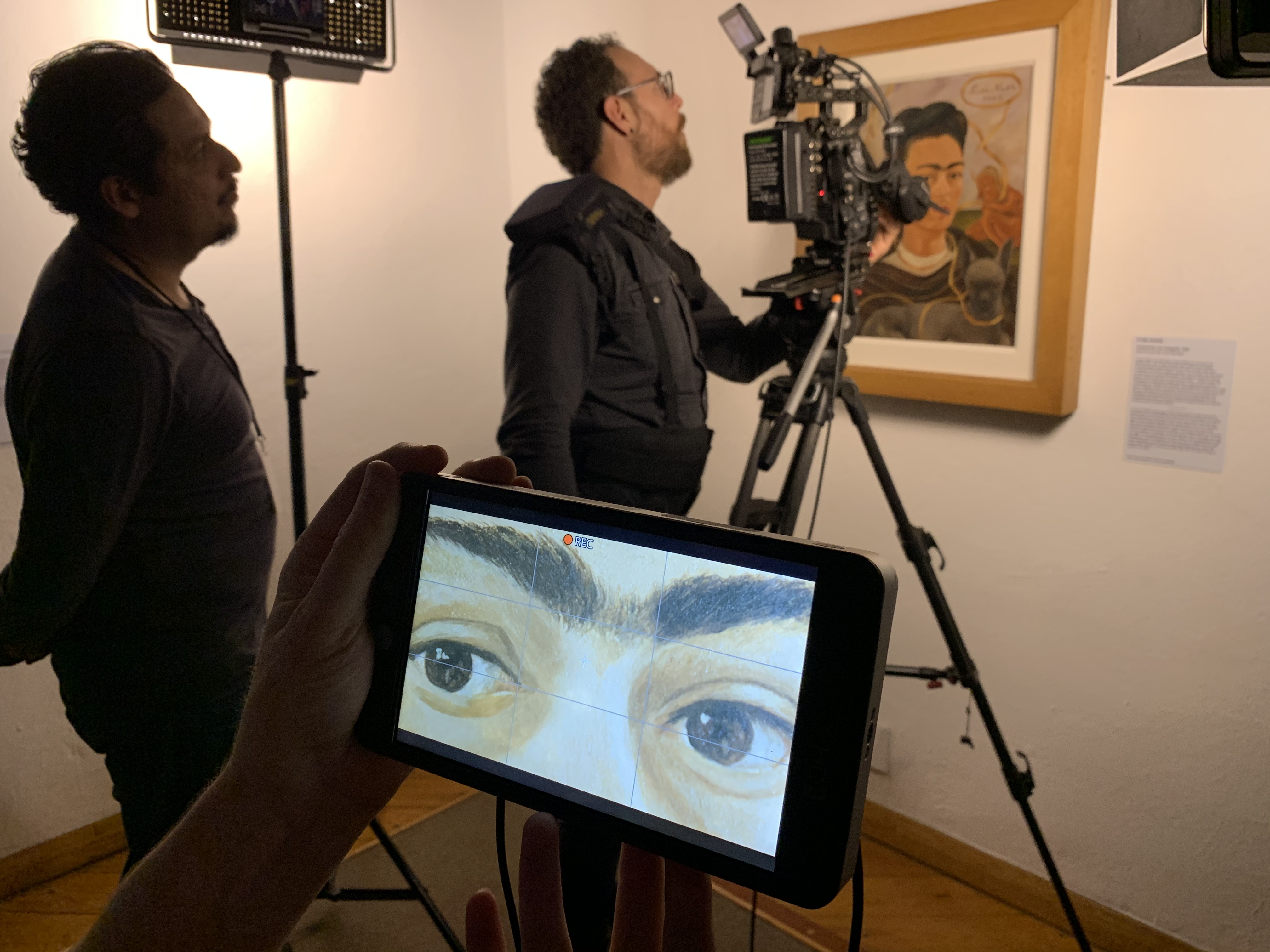
The documentary returns to cinemas on 19 May ahead of a new exhibit opening at the Tate Modern. Exhibition On Screen first released the documentary during the COVID-19 pandemic, with only a limited number of people getting to experience it on the big screen. The Tate Modern will soon display several paintings by Frida Kahlo and artists who were inspired by her lasting legacy. This means that it is the perfect time to bring Frida Kahlo: The Making of an Icon to local cinemas. It introduces Kahlo to modern audiences and allows viewers to look at her pieces through close-up footage in high resolution.
“I always say the greatest privilege of my job is that I work in galleries at night. I sort of spend my nights in the museums, literally. And there are so many times when I just have one-to-one time with these masterpieces,” Ray says. “I can look in silence, and the crew is off doing something, and that feeling that I get of utter privilege and just magic and connection and energy is kind of what I wanted to recreate in the film.”
The extended version of Frida Kahlo: The Making of an Icon features never-before-seen clips of the exhibition of the same name, first seen at the Museum of Fine Arts, Houston, and soon making its way to the Tate Modern. The additional footage also includes commentary from the exhibition’s curator, Mari Carmen Ramírez. Her commentary naturally enhances the experience for those eager to see Kahlo’s paintings up close.
Who Was Frida Kahlo and Why Was She a Feminist Icon?
Frida Kahlo was born in Mexico in 1907 and uncovered her passion for painting after a tragic accident. Left bedridden for three months when she was just 18 years old, Kahlo resorted to art for solace. She later began a relationship with Diego Rivera, a prominent artist whose efforts were being praised both in Mexico and abroad. Once the couple got married, they moved to the United States, where Kahlo made sure to represent her nationality through her wardrobe and hairstyling. Never letting go of her roots, the painter began incorporating elements of her heritage into her artistry.
Kahlo became a feminist icon because she used her paintings to evoke female experiences that hadn’t been depicted on a canvas before. An example is her Henry Ford Hospital painting from her time living in Detroit. The piece broke barriers for viscerally showcasing her miscarriage experience. In it, Kahlo is lying in bed naked with blood soaking through the sheets. This imagery was countercultural because pregnancy has often been idealised in art, and it was rare to see a woman depicted with an interrupted pregnancy.
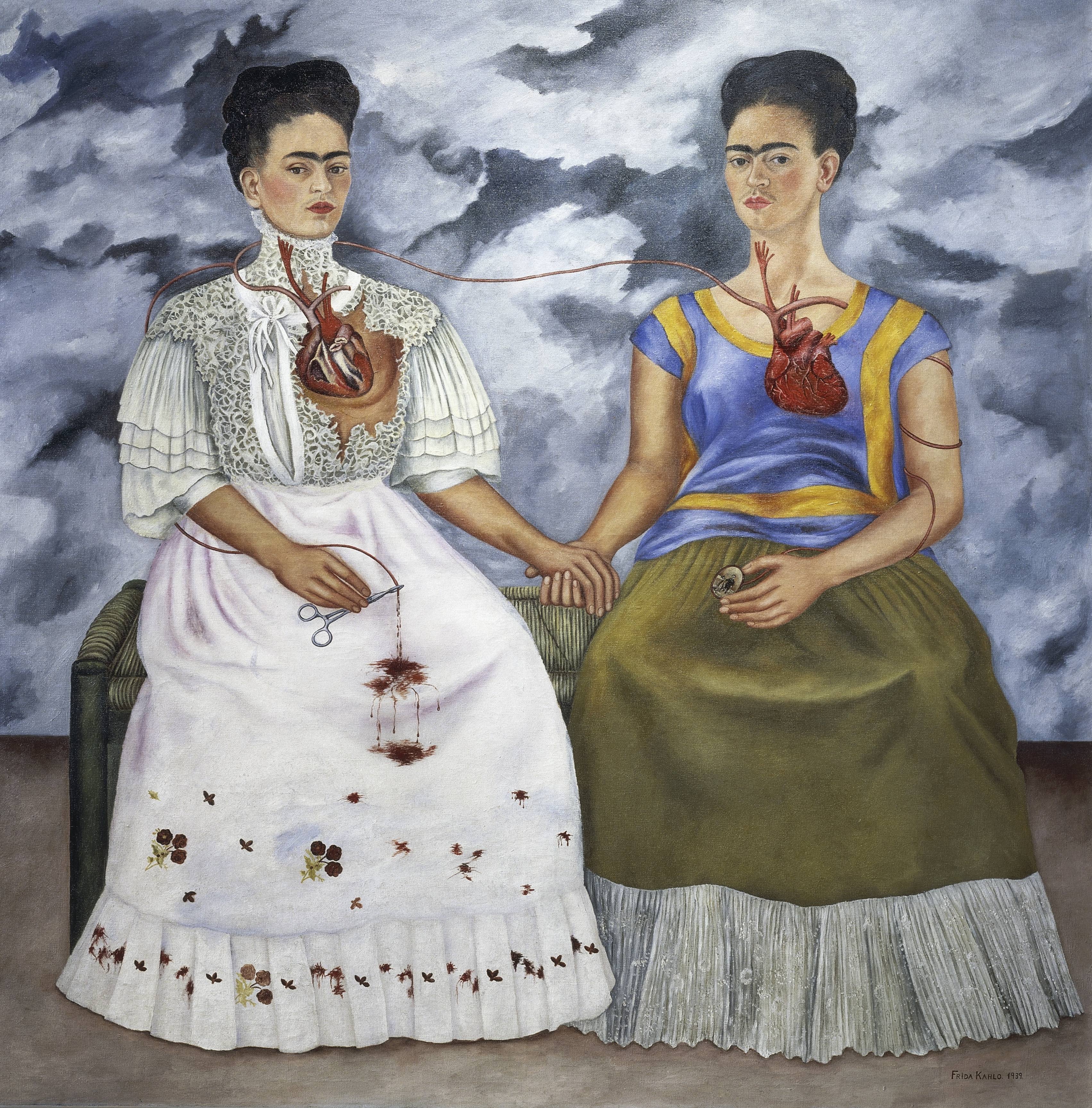
The artist never shied away from sharing her thoughts and feelings through her craft and became an icon that people all over the world can resonate with. Her openness regarding her sexuality and chronic pain was subversive, and her Tehuana-inspired style made her unique and empowering. Ray views The Two Fridas as a career-defining artwork for Kahlo. According to her, that is the self-portrait that best displays the painter’s turmoil after her divorce from Diego Rivera, while also showing her embracing her artistic identity and radical femininity. “I don’t think she felt groundbreaking. She literally just needed to paint those things to help her understand what she was going through,” Ray says.
How ‘Fridamania’ Changed Frida Kahlo’s Legacy
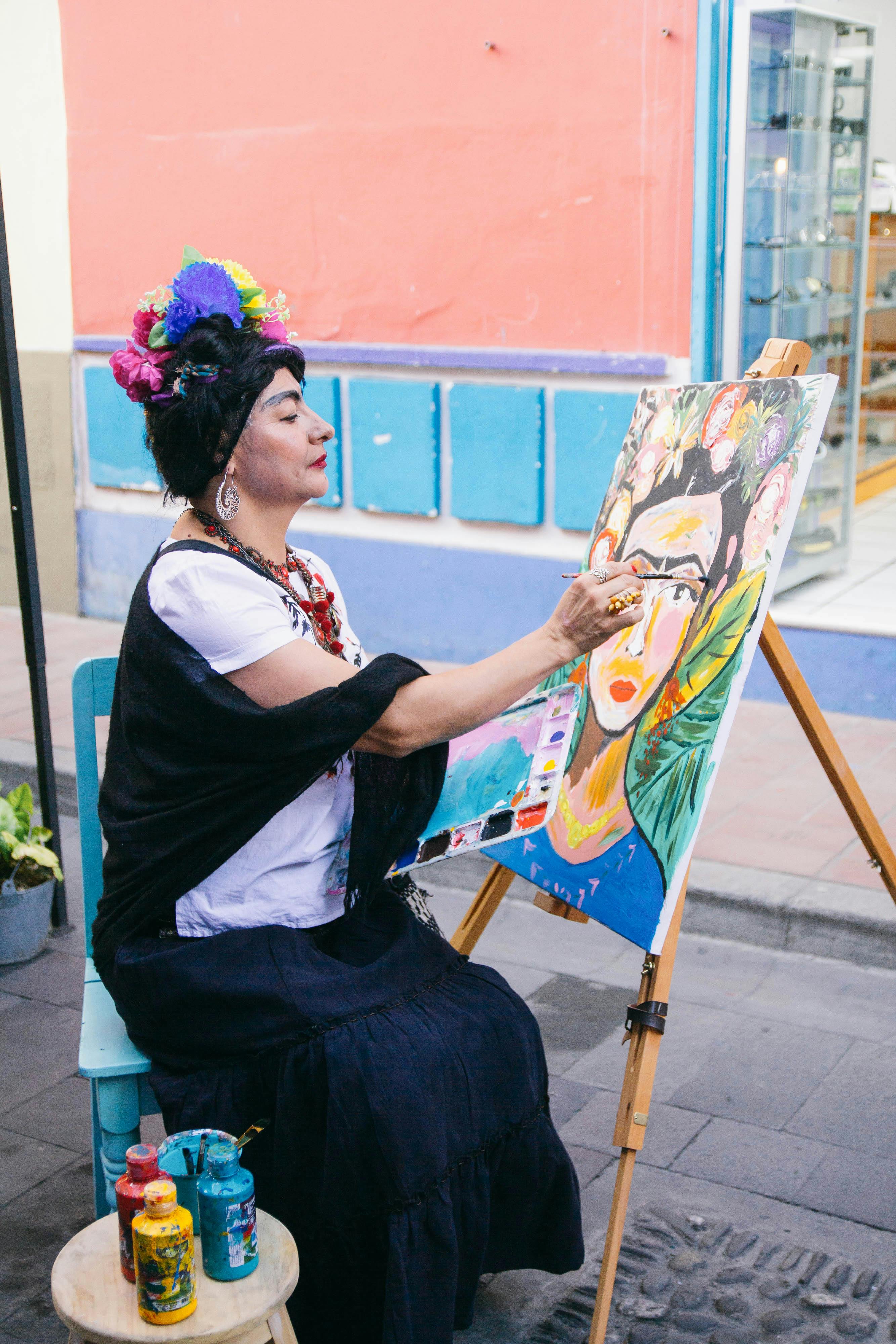
The additional footage present in Frida Kahlo: The Making of an Icon taps into the ‘Fridamania’. This phenomenon dates back to the ’90s and draws from Kahlo’s iconography, repurposing it for modern art and pop culture. The exhibition that will open in London has a whole section dedicated to artists inspired by Kahlo. The pieces on display tie Kahlo’s work to the Chicano movement, feminism, and Neo-Mexicanism, blurring the lines between high and low culture. “She’s so relevant now,” Ray says. “We are all struggling with our identities. You don’t have to be one person, because none of us are. We all change and adapt according to who we’re with and depending on the day.”
Despite never aiming to be avant-garde during her lifetime, Kahlo’s legacy has gained a cult-like following because she was unapologetically herself. She embraced what it meant to be different and politically engaged. By channeling Kahlo’s artistry, people are permitted to express themselves freely.
Frida Kahlo: The Making of an Icon Review
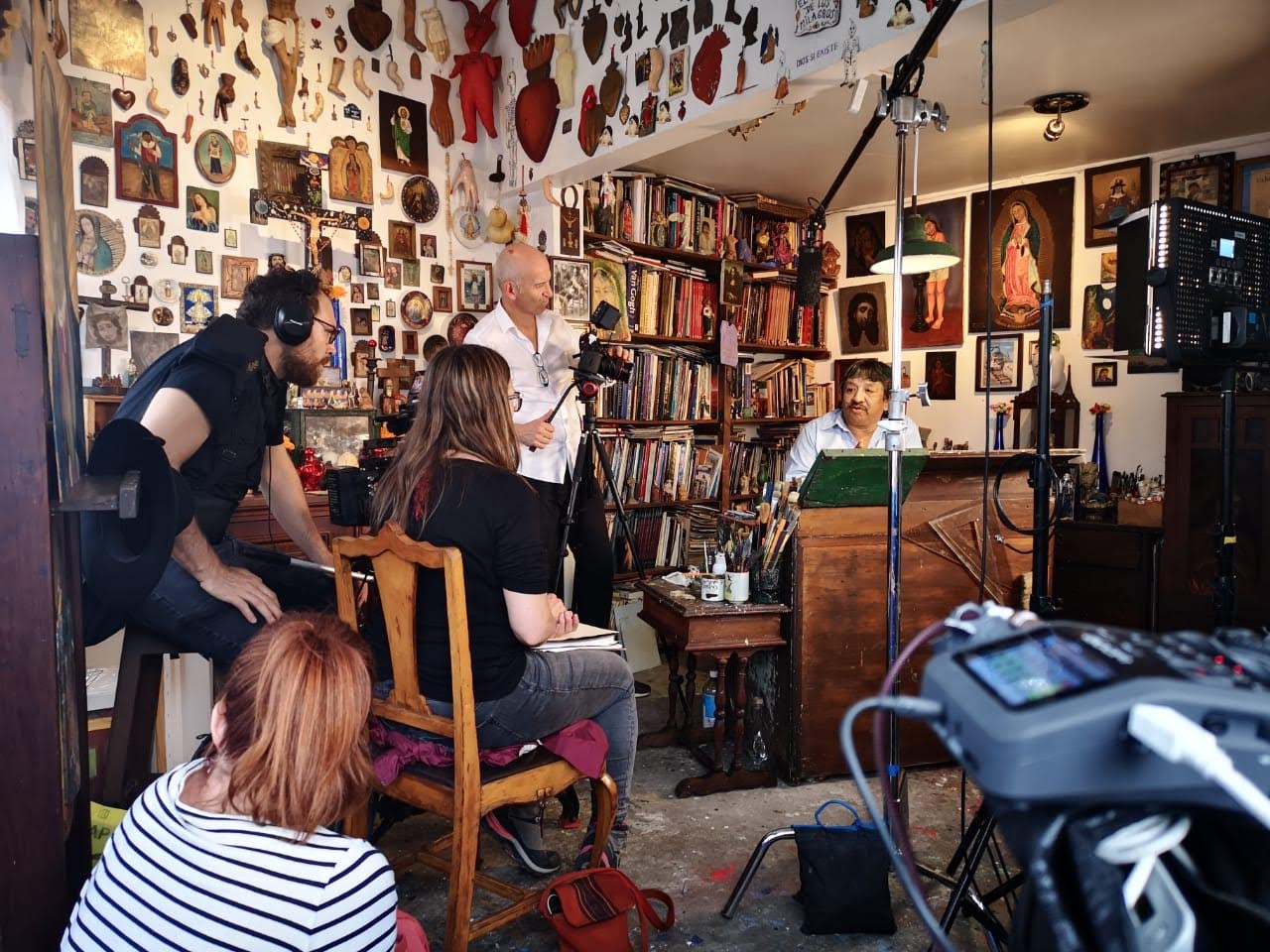
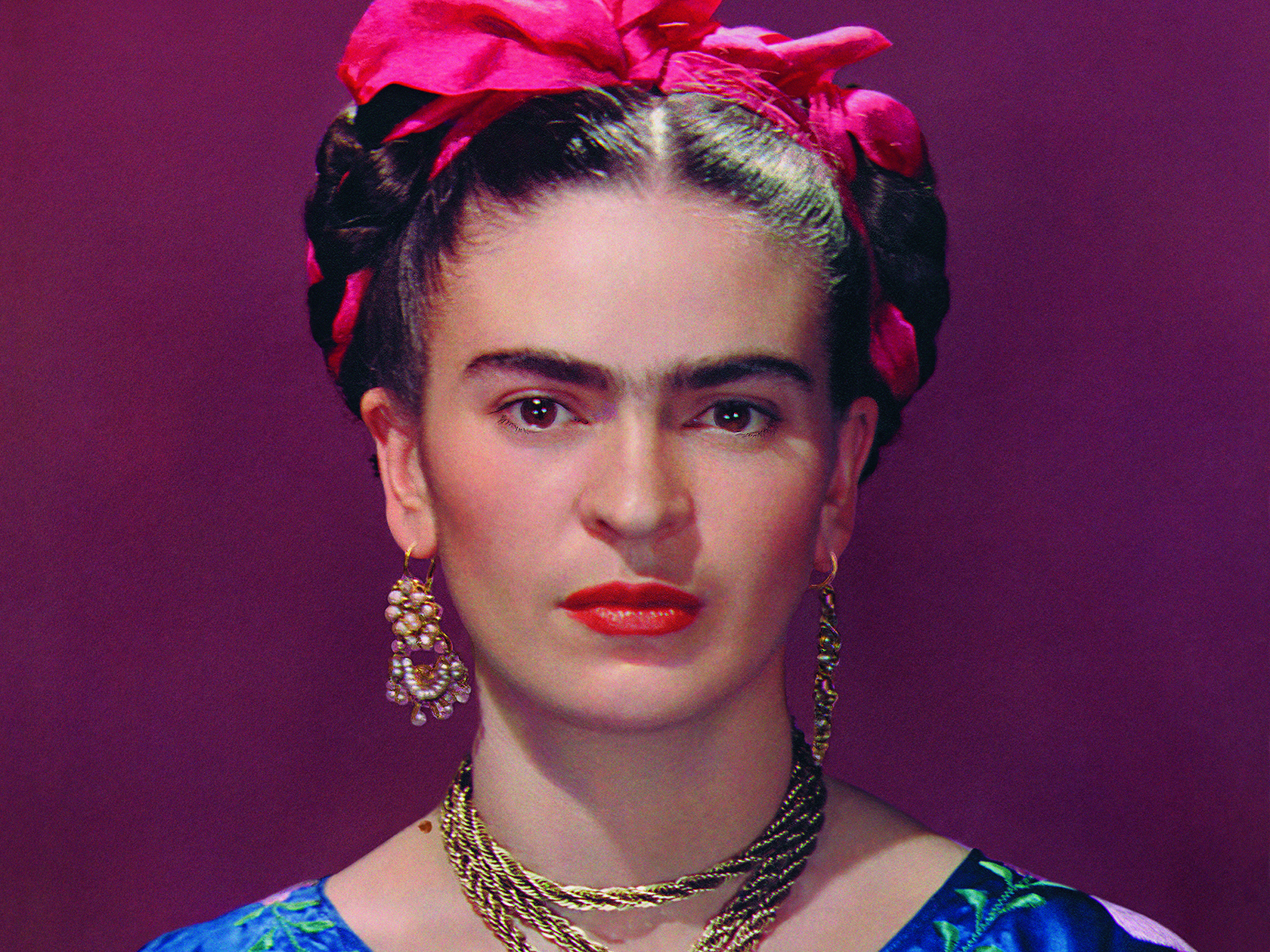
Frida Kahlo: The Making of an Icon‘s cover art might feature Nickolas Muray’s photograph of the feminist artist, but that doesn’t mean that the film is rooted in the imagery of Frida Kahlo. On the contrary, it spotlights Kahlo’s life story as it relates to her artistry. It includes narrations drawn directly from the painter’s diaries and insights from curators and family members. With some scenes shot in Mexico, particularly at Casa Azul (Kahlo’s former home), the film becomes an invitation to the artist we’ve rarely come to see.
Firstly, it shows how she went from pursuing medical school to choosing art as a career path. Then it shows how she became a fierce advocate for Mexican nationalism, embracing the Tehuana woman identity. The film draws an interesting comparison between Kahlo’s 1931 painting, featuring her alongside her husband Diego Rivera as he holds a palette and paintbrushes, and The Two Fridas. By comparing these distinct paintings, the documentary aims to show Kahlo’s progression into a fully realised artist.
Through Ray’s direction, the film interweaves Kahlo’s painting with her tumultuous marriage, her cultural heritage, and her health battle (which resulted in her death at 47). Demystifying the notion that Kahlo was a surrealist artist, the film instead refers to her artistry as magical realism, given that every single painting had personal resonance to her.
The 10 minutes of additional footage towards the end of Frida Kahlo: The Making of an Icon allows us to analyse how her legacy extended beyond her lifetime, inspiring the next generation to use art as a means of reclaiming self. Although ‘Fridamania’ might have led many to recognise Kahlo for her signature unibrow and braided hair, the documentary shows that there is more to how people continue to relate to her.
Frida Kahlo: The Making of an Icon Release Details and FAQs
When Will Frida Kahlo: The Making of an Icon Return to Cinemas?
Frida Kahlo: The Making of an Icon arrives in theatres on 19 May 2026. Check local cinema listings for screening details.
Does Frida Kahlo: The Making of an Icon Have Extended Footage?
Yes, the documentary features an additional ten minutes of footage from the Frida Kahlo: The Making of an Icon exhibition.
How Long Will the Frida Kahlo Exhibition Be at Tate Modern?
Frida: The Making of an Icon is at the Tate Modern from 25 June 2026 to 3 January 2027.
Where Can I Get Tickets to the Frida Kahlo Exhibition in London?
Tickets for Frida: The Making of an Icon can be booked directly via the Tate Modern website.