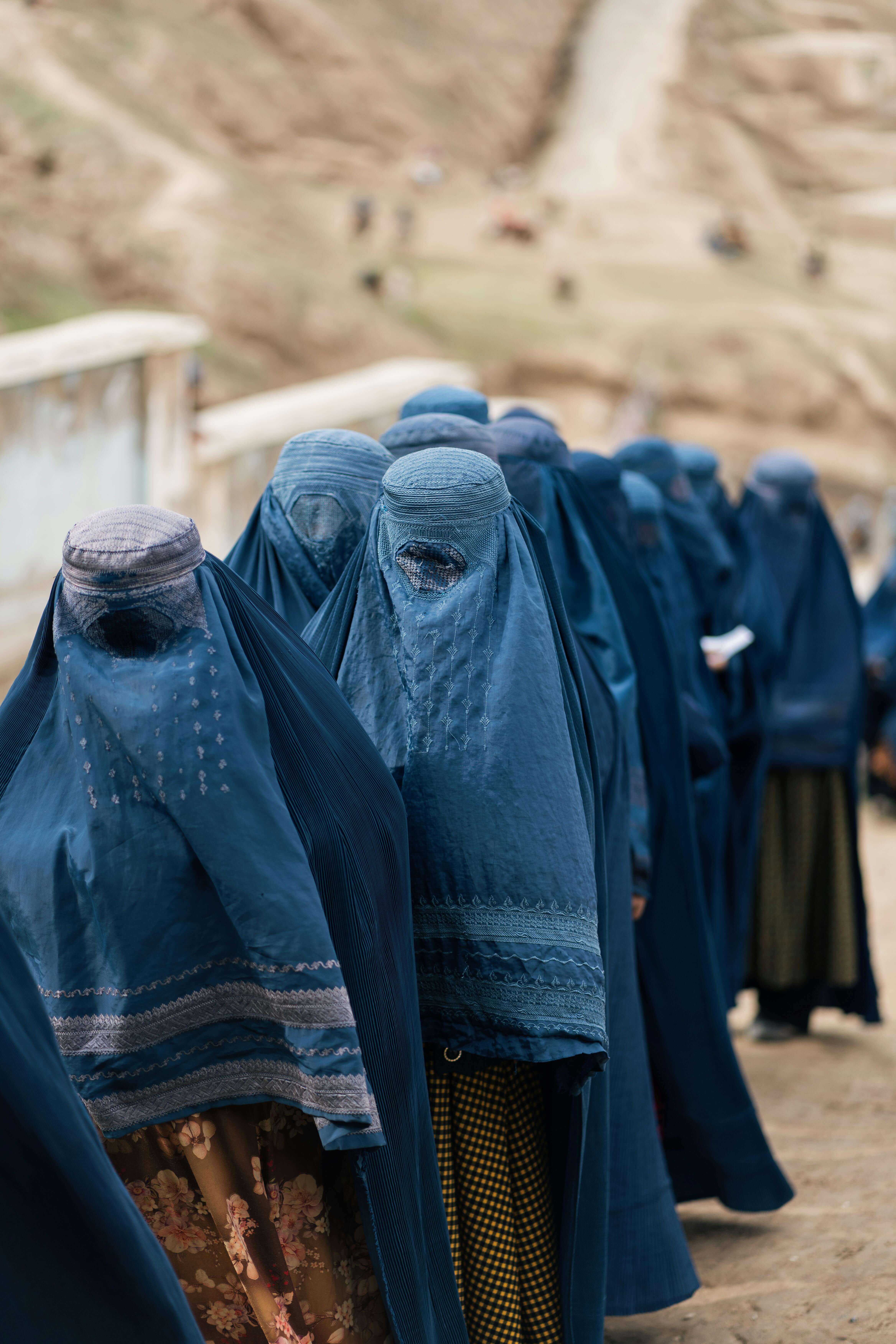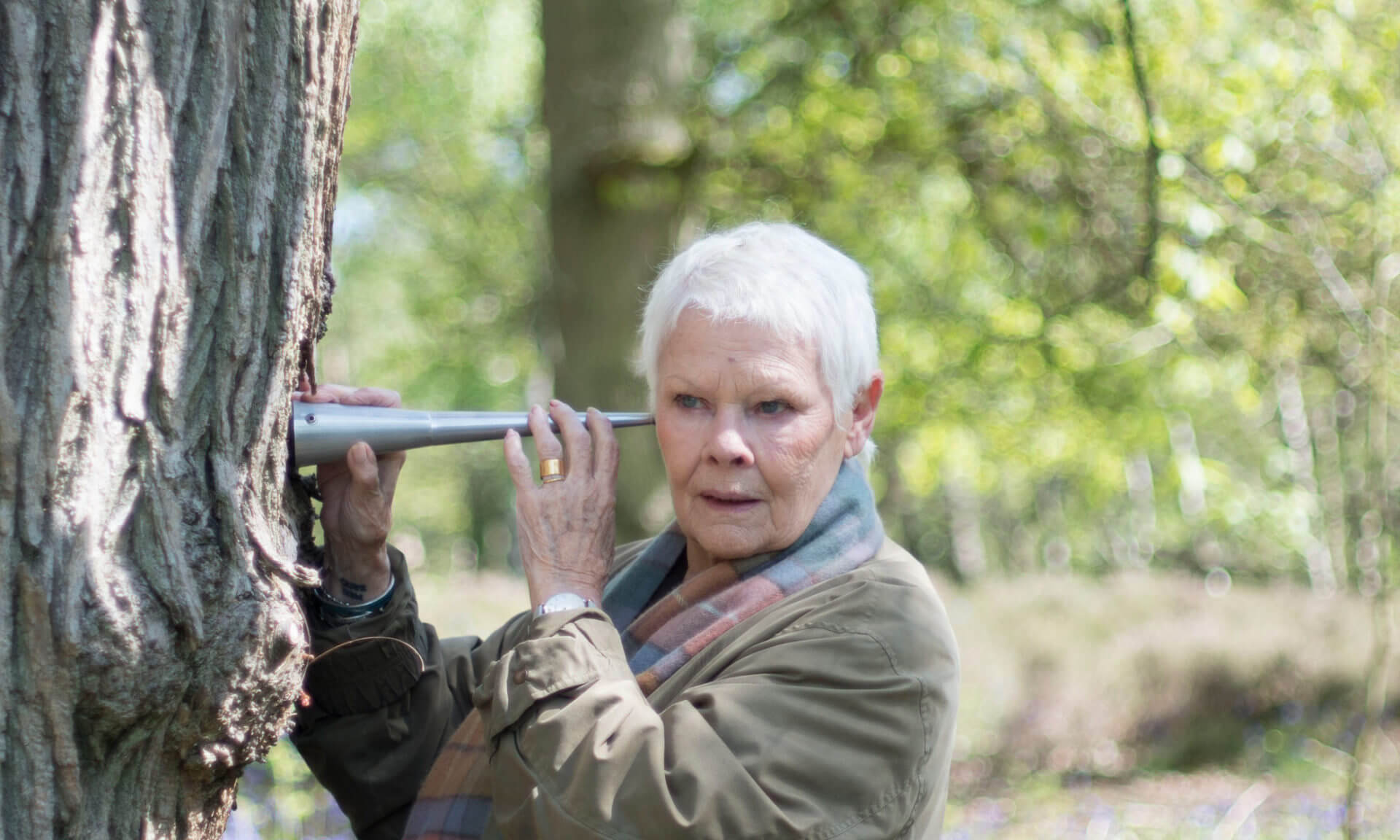

Forgotten women in history have shaped the world we live in today, yet their contributions have often been erased or overlooked. From pioneering inventors and influential writers to fearless activists and artists, women have left their mark across every corner of society. The Women’s Journal shines a light on the remarkable women whose work was dismissed, ignored or credited in favour of their male counterparts – and celebrates and celebrates the lasting impact of the women history tried to forget.
Women Writers Erased from Literary History
Women have long-proven that their role in literature extends beyond merely being the subjects of sonnets, plays and romance novels. Many of the most well-respected, widely-studied and most enduring works of English literature were penned by women who used their talent to amplify their voices and the experiences of other women to readers and audiences across the world.
Mary Ann Evans
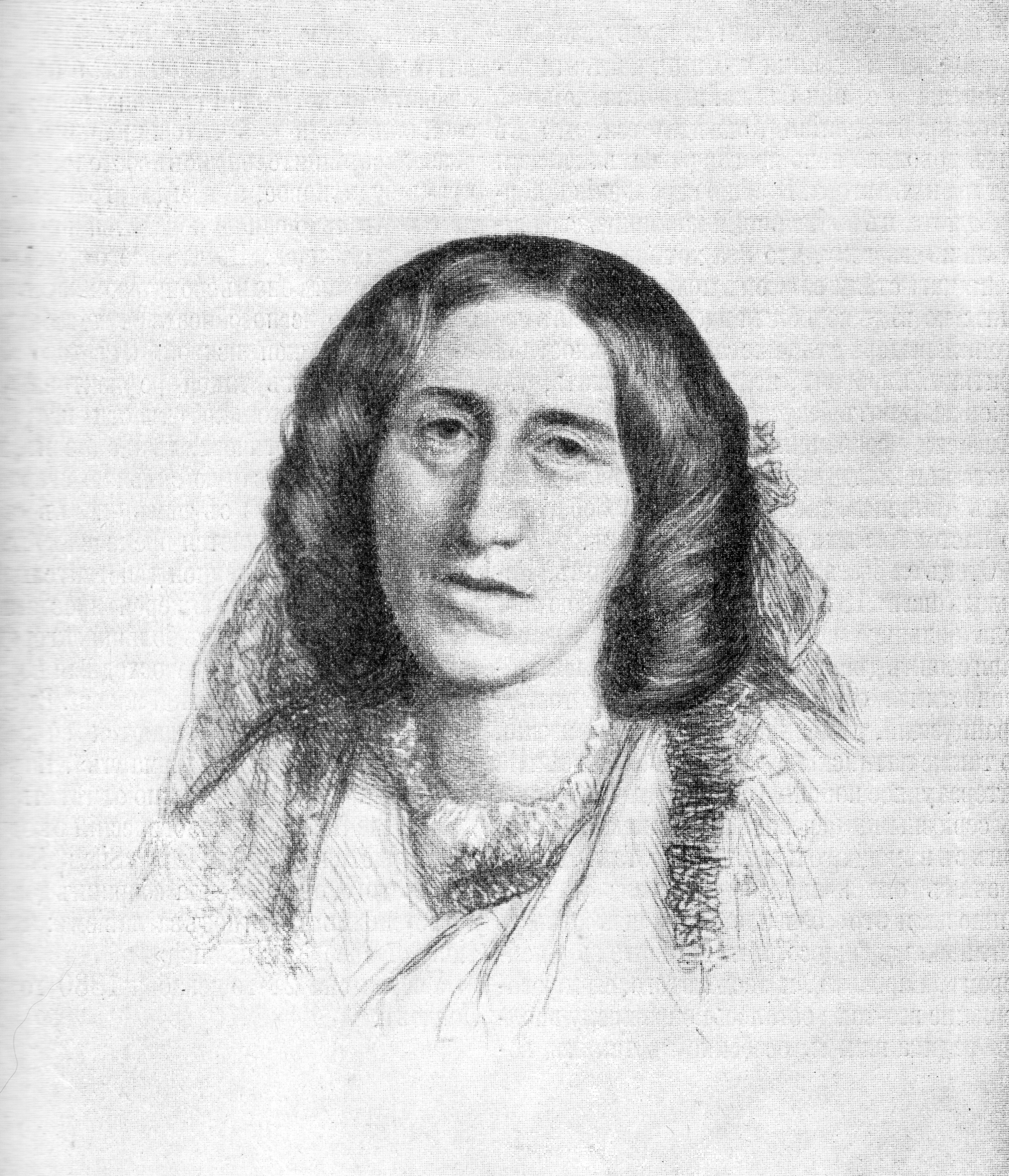
More commonly known by her pen name, George Eliot, Mary Ann Evans chose this male pseudonym to be taken seriously and avoid her writing being grouped in with the romantic novels that female authors of the era were closely associated with. One of the most important writers of Victorian England, her classic novel Middlemarch is frequently ranked among the greatest English novels ever written.
She was praised by her contemporaries for her great intelligence, working not only as a talented novelist, but also as a journalist and essayist, as well as a translator of significant religious, social and philosophical texts.
Aphra Behn
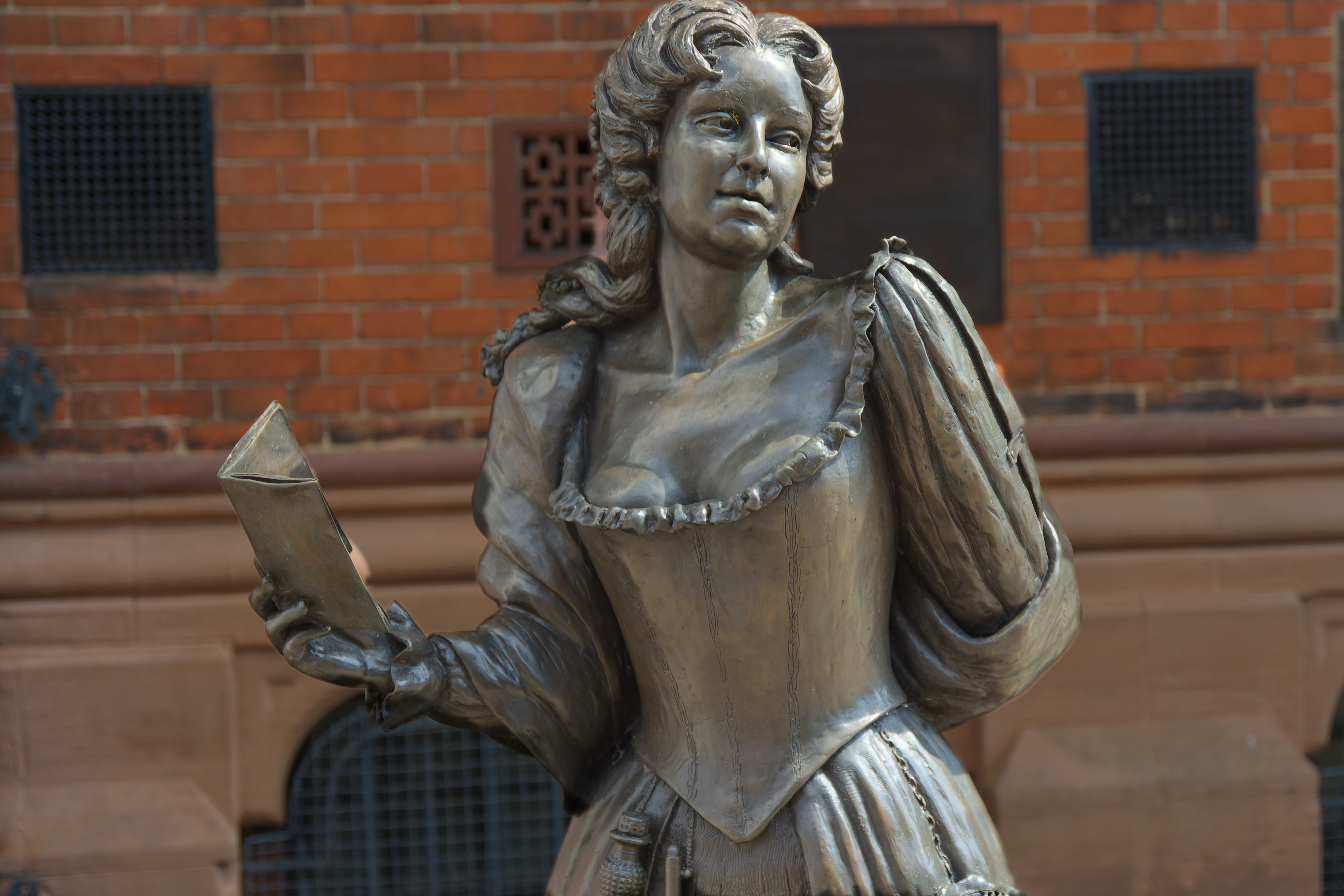
Clashes with the law, a stint as a spy and one of the first financially successful English women writers: Aphra Behn’s life was as intriguing as her stories. She managed to earn a living through her plays, poems, prose and translations, something generally unheard of for women in 17th century England.
After working as a spy in Antwerp and returning to London, she is believed to have had a brief stay in debtors’ prison, before starting to pen plays. Her writing caught the attention of prominent religious figures and even the monarchy, cementing her position as one of the most important writers in the English language.
Charlotte Perkins Gilman
Charlotte Perkins Gilman’s influence extends far beyond the literary world. Hailing from Connecticut, she was not only a novelist, writer and lecturer, but also a humanist, early sociologist, and feminist. The issues plaguing late 19th and early 20th century America were examined at length in her work, specifically inequalities between the genders.
Her most famous short story, The Yellow Wallpaper, even explored mental illness. Still extremely popular and studied today, it was written after she suffered a severe period of postpartum depression.
Women in Politics and Activism History Forgot
The role of women in the social and political movements that helped build the modern world has long been ignored. Whether it’s fighting for the right to vote and work as part of suffragette and feminist movements or playing pivotal roles in campaigning for the working class and oppressed races, these women have stood up for what is right despite monumental threats to their reputation and safety.
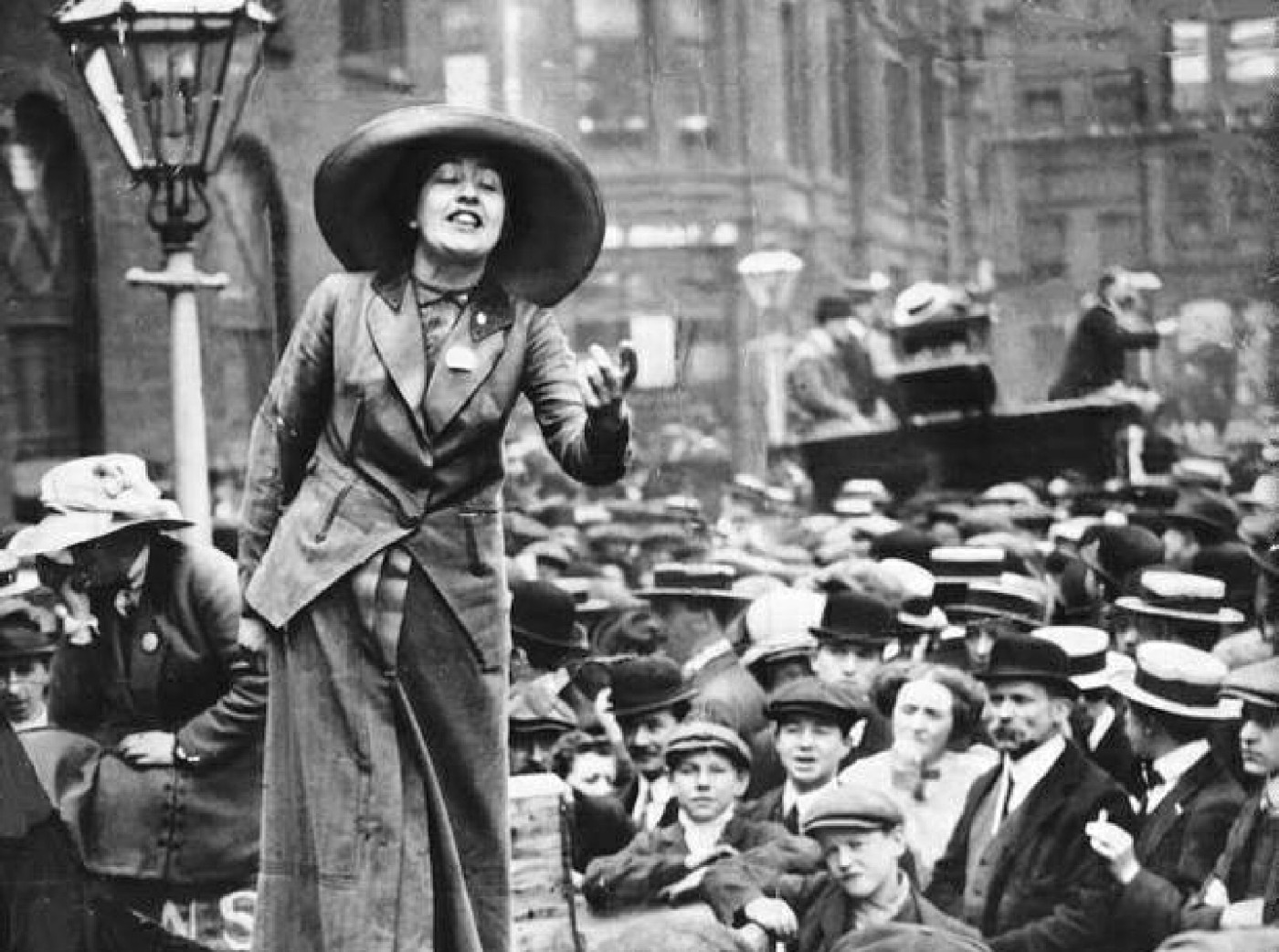
Sylvia Pankhurst
A fierce supporter of feminism, anti-colonialism and anti-fascism, Sylvia Pankhurst dedicated her life to fighting against oppression of all kinds. Related to famous suffragettes via her mother, Emmeline Pankhurst, and sister, Christabel Pankhurst, Sylvia actually ended up breaking away from their suffragette leadership due to her associations with working class movements and refusal to enter a 1914 wartime political truce with the government.
She led marches on prisons, participated in hunger strikes, and was arrested several times while protesting: Sylvia truly embodied what it meant to live and fight for a cause, fearlessly advocating for some of the most marginalised and vulnerable groups in an era of great political upheaval.
Olympe de Gouges
18th century French playwright and political activist, Olympe de Gouges, used her writing to draw attention to a wide range of issues. One of France’s first public opponents of slavery, her plays and pamphlets also highlighted the issues of divorce and marriage, children’s rights, unemployment and social security.
When the French Revolution broke out, she published her 1791 Declaration of the Rights of Woman and of the Female Citizen, a response to the 1789 Declaration of the Rights of Man and of the Citizen. Unimpressed by the lack of equal rights being extended to women, her declaration challenged the patriarchal systems of power and argued for equal rights for women.
Claudette Colvin
Before Rosa Parks, there was Claudette Colvin. A pioneer of the civil rights movement which would go on to transform the lives of black Americans, she was arrested at just 15 years old for refusing to give up her seat to a white woman on a segregated bus in Montgomery Alabama, in March 1955. This was nine months before the similar but much better-known incident involving Rosa Parks.
It took years for Montgomery’s black leaders to publicize her efforts because Colvin was unmarried and pregnant while her case went through court, and it wasn’t until 2021 that the record of her arrest and adjudication of delinquency was finally expunged by the district court.
Women Inventors and Technologists Who Never Got Credit
The fields of engineering and technology are usually associated with men, despite some of the most groundbreaking research and discoveries throughout history having been pioneered by women. Often times, these women were cast into the shadows, while their male counterparts received praise and recognition for constructing the devices that allow modern life to run.
Ada Lovelace
Without English mathematician and writer, Ada Lovelace, the modern computer may have never come to exist. While working on Charles Babbage, another mathematician’s, proposed mechanical general-purpose computer, Lovelace recognised that the machine could be applied beyond pure calculation. She is widely acknowledged as being the first computer programmer in history.
There is now an annual ‘Ada Lovelace Day’, celebrated on the second Tuesday of October, aiming to raise the profile of and create new role models for women in science, technology, engineering and mathematics.
Marie Van Brittan Brown
The groundbreaking home security system invented by Marie Van Brittan Brown and her husband continues to benefit not only the security technology field, but society as a whole. An African American woman, Brown faced extreme hostility while working in the security technology field of the 1960s.
Despite being surrounded almost entirely by white men from wealthier backgrounds, she used her experiences to her advantage, creating the security system because police took too long to respond to calls in her Queens neighbourhood and she wanted to provide protection. She created the foundations of what would become a multi-billion-dollar market, revolutionising people’s abilities to protect their homes.
Gladys West
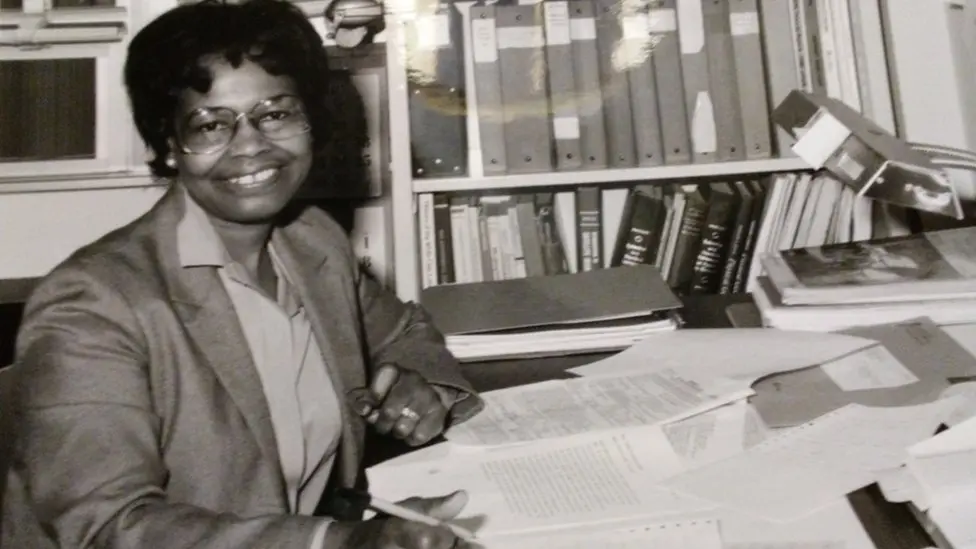
Although Gladys West was eventually inducted into the United States Air Force Hall of Fame in 2018, her scientific contributions began six decades earlier. In 1956, she became the second black woman hired to work at the Naval Proving Ground in Virginia, before participating in a 1960s study that led her to analyse satellite data from NASA and create models of the Earth’s shape. For the next two decades, she would programme computers to deliver increasingly precise calculations of the Earth’s shape, and helped develop satellite models. These were later used to make the Global Positioning System (GPS).
Even West’s children were unaware of the extent to which their mother had helped create GPS, as she often would not speak about her work, until a member of her sorority read a biography West had submitted for an alumni function.
Women Artists Written Out of Art History
The history of art is rife with men stealing credit for women’s work – often claiming to be the creators of pieces actually crafted by their wives, contemporaries, or students. Some of these women underwent horrific abuse which distracted even further from their accomplishments, or never received the deserved praise for their artistic achievements until long after death – if ever. But their works live on, a tribute to the gifted women that created them.
Hilma af Klint
Despite creating and pioneering abstract paintings years before Kandinsky, Hilma af Klint faced exclusion from the canon. A Swedish artist and mystic born in 1862, her paintings are considered to be among the Western world’s first major abstract works. Deeply spiritual, she said that her hand felt as though it was being guided by a force that was directing her.
Much of her work explores duality: good and evil, earthly and esoteric, male and female. During her lifetime, she had only exhibited her work a few times, mainly at spiritual conferences and gatherings.
Sonia Delauney
Although her contributions are often attributed to male peers, French artist Sonia Delauney cofounded Orphism – an art movemet which helped to pioneer abstract art though exploring the relationship between visual art and music.
Born in 1885 to Jewish parents in what is now known as Ukraine, she trained across Russia, Germany and France. In 1964, she became the first living female artist to have a retrospective exhibition at the Louvre, and in 1975 she was named an officer of the French Legion of Honor.
Artemisia Gentileschi
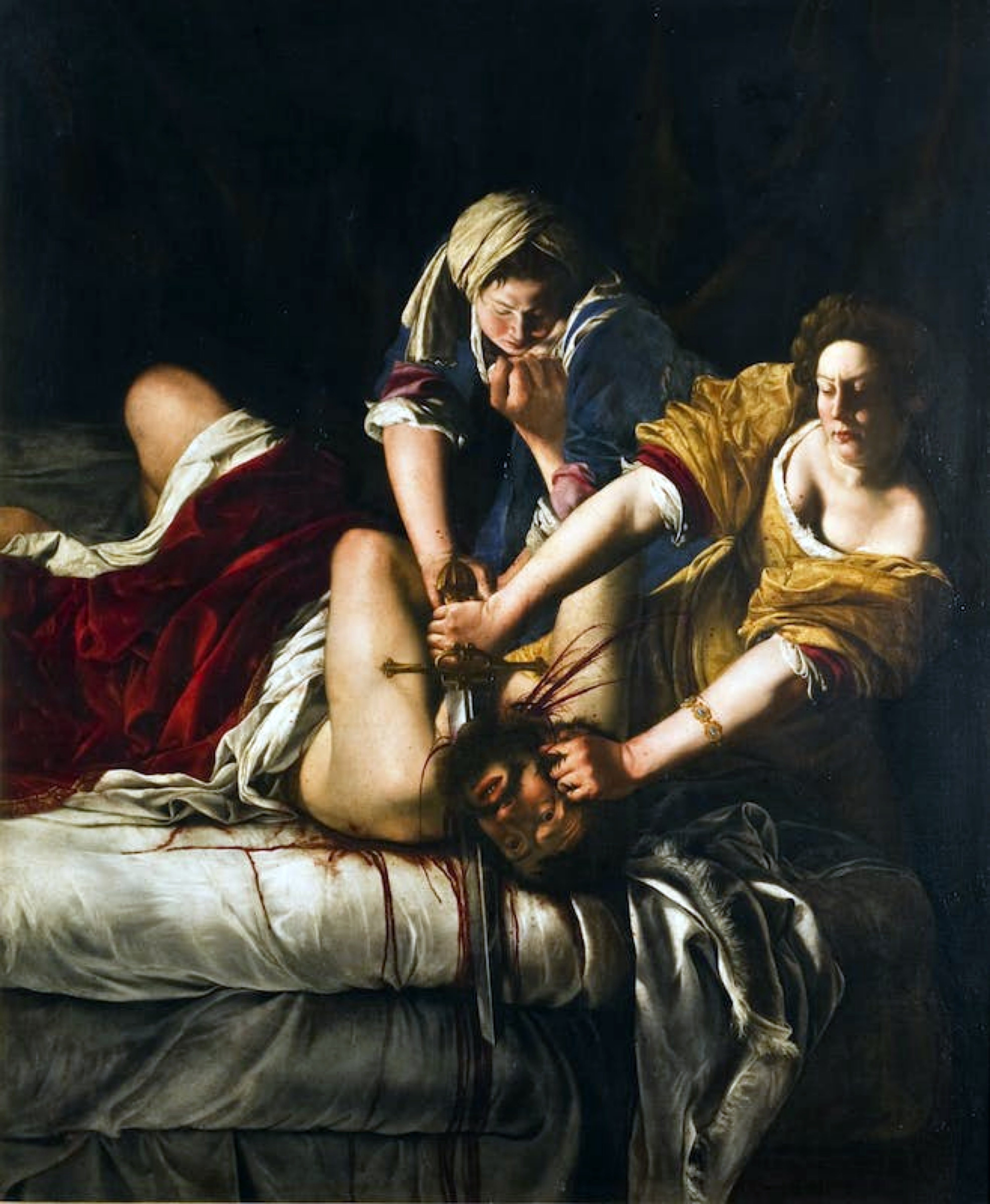
Born in 1593, Italian Baroque painter Artemisia Gentileschi is regarded as one of the 17th century’s most accomplished artists. She was the first woman to become a member of the prestigious Academia di Arte del Disegno, which has counted Michelangelo and Lazzaro Donati, among others, as members.
Born into an era which provided minimal access to artistic training or professional work for women, even centuries after her death, she has been frequently overlooked by art scholars. Her achievements as an artist were also overshadowed by the story of her rape by another artist, which involved her being tortured for evidence during his subsequent, highly publicised trial. The 20th and 21st centuries have finally seen her talents begin to receive recognition, with her paintings exhibited at major fine art institutions such as London’s National Gallery.
Women in Science Who Were Written Out of History
The scientific discoveries which have paved the way for countless breakthroughs in healthcare and shaped some of the brightest – and darkest – points of history have frequently been attributed to men. Proving that the intellect and persistence of the female mind is more than a match for any male, these women overcame the odds to become stalwarts in a field which is still, to this day, heavily dominated by men.
Rosalind Franklin
During her lifetime, Rosalind Franklin’s contributions to the discovery of the structure of DNA was largely ignored. An English chemist and X-ray crystallographer, her images of DNA taken while working at King’s College London led to the vital discovery of the DNA double helix.
It was male scientists Francis Crick, James Watson and Maurice Wilkins, however, who shared the 1962 Nobel Prize in Physiology or Medicine. She died of ovarian cancer aged only 37 in 1958, and has received dozens of posthumous honours, but was constantly overlooked and dismissed while alive.
Lise Meitner
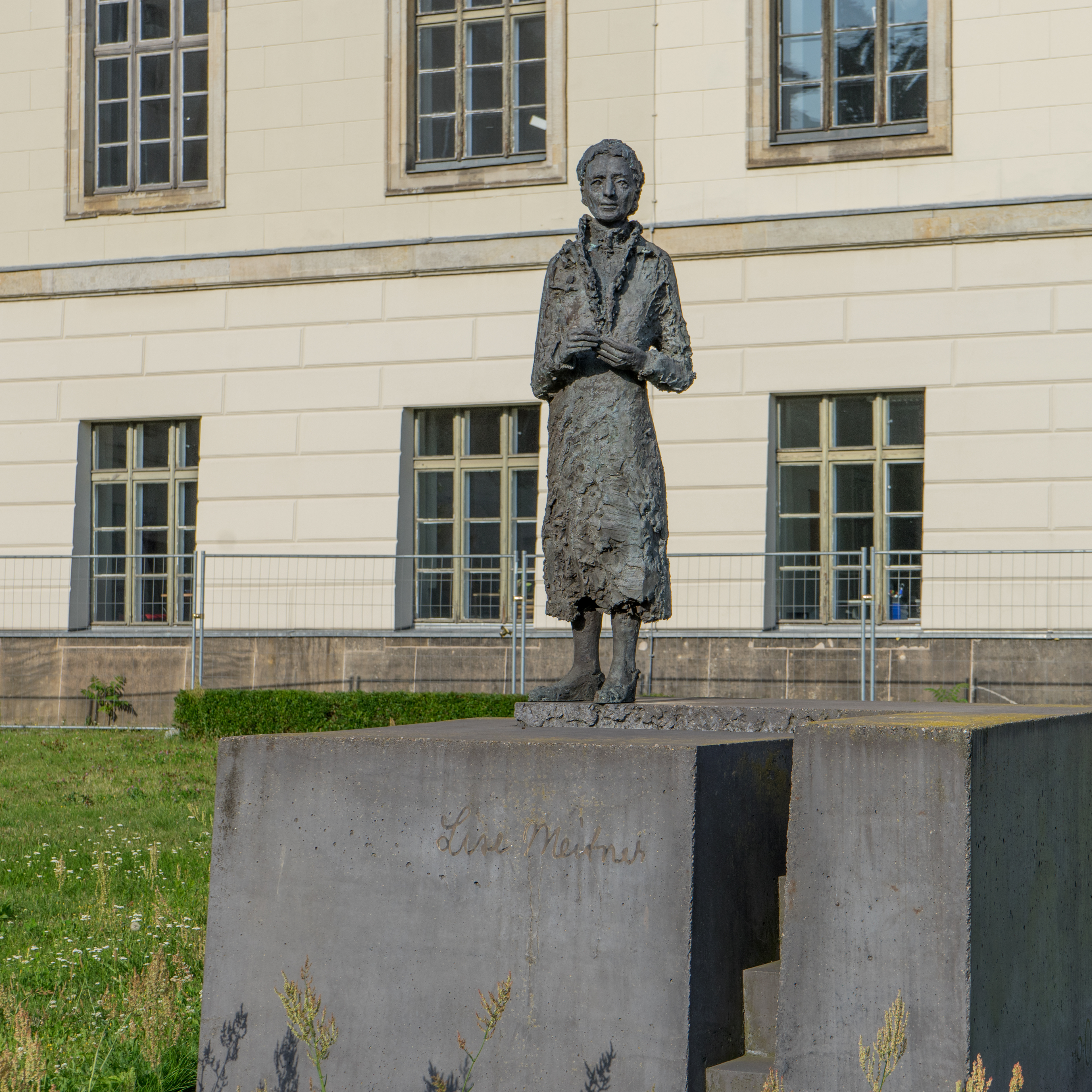
An Austrian and Swedish nuclear physicist, Lise Meitner played a key role in discovering nuclear fission. She was the first woman in Germany to become a full professor of physics, but lost her positions in 1935 because of Nazi Germany’s anti-Jewish laws.
Her work uncovering the physics of nuclear fission led to the development of nuclear reactors and atomic bombs, but she did not share the 1944 Nobel Prize in Chemistry for this work. Instead, the award was given to her long-time collaborator, Otto Hahn.
Chien-Shiung Wu
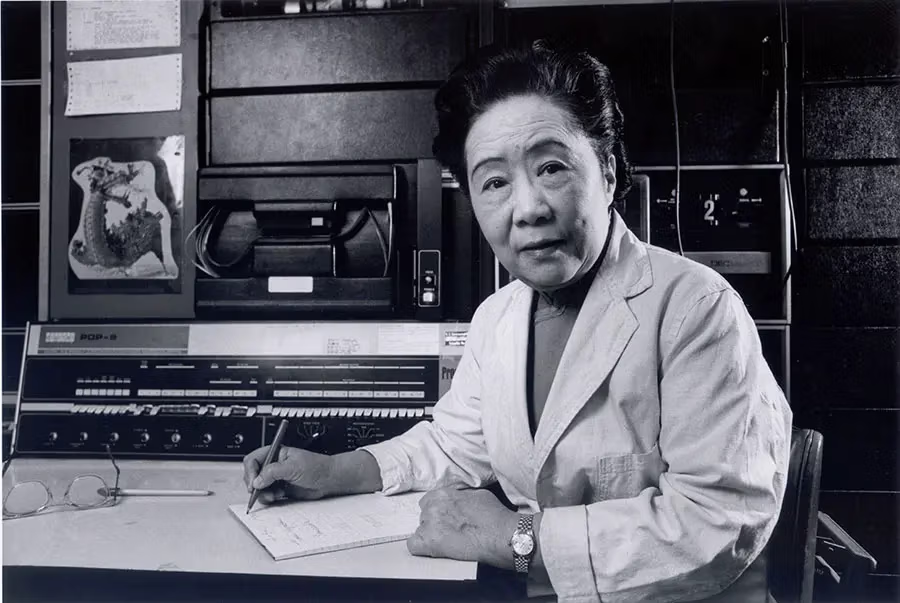
Also known as Madame Wu, Chien-Shiung Wu was a crucial figure in the field of nuclear research and is considered one of the most important female physicians of all time. Having worked on the Manhattan Project, she later distanced herself from this experience and recommended in 1962 that Taiwanese president Chiang Kai-Shek never build nuclear weapons.
Wu also conducted a groundbreaking particle and nuclear physics experiment in 1956, known as the Wu Experiment. Later in 1975, she became the American Physical Society’s first female president, meeting with President Gerald Ford to successfully request he create a presidential advisory scientific body. Outside of science, Wu advocated for human rights, protesting the crackdown in China that followed 1989’s Tiananmen Square massacre.