
International Women’s Day is one of the most important global celebrations dedicated to women. Every year on 8 March, people around the world come together to celebrate women’s achievements, raise awareness about women’s issues and gender equality, and advocate for women’s rights. From marches and campaigns to conferences, community events, and social media movements, International Women’s Day (IWD) highlights both the progress women have made and the challenges that still remain.
Observed across continents, cultures, and communities, the day has become a powerful moment for reflection, activism and celebration. It recognises the achievements of women in every field while also reminding the world that gender equality is still far from being achieved. For many, International Women’s Day is not only about celebrating success but also about calling for change. Here’s everything you need to know about International Women’s Day 2026, including the history, theme and ways to celebrate.
When is International Women’s Day 2026?
International Women’s Day 2026 will take place on Sunday 8 March 2026. The date remains the same every year and has become globally recognised as a day dedicated to celebrating women and advancing gender equality.
Across the world, governments, organisations and communities mark the day through events, campaigns and initiatives designed to highlight women’s achievements and address ongoing inequality. In many countries it has become one of the most significant awareness days in the global calendar.
What is International Women’s Day?
International Women’s Day is a global celebration that recognises the social, economic, cultural and political achievements of women. At the same time, it serves as a powerful reminder that women around the world continue to face significant barriers and inequality.
The day shines a spotlight on the issues affecting women globally, including unequal pay, gender-based violence, discrimination in the workplace, barriers to education and healthcare, and the underrepresentation of women in leadership and politics. By highlighting these challenges, International Women’s Day encourages individuals, organisations and governments to take action and work toward a more equal world.
Although the day is often associated with celebration, it is equally rooted in activism. The spirit of International Women’s Day is built on the idea that progress must continue and that raising awareness can help accelerate change.
The History of International Women’s Day
The origins of International Women’s Day can be traced back to the early twentieth century, when women around the world began organising for better working conditions, fair pay and the right to vote.
In 1908, thousands of women marched through New York City demanding shorter working hours, improved pay and voting rights. The protest marked a key moment in the global women’s rights movement and helped spark conversations about gender equality around the world.
The idea of establishing an international day dedicated to women was proposed by German activist and political theorist Clara Zetkin in 1910. Zetkin presented the idea at the International Conference of Working Women in Copenhagen, where more than one hundred women from seventeen countries gathered to discuss women’s rights and labour issues.
Her proposal was unanimously supported, and the first International Women’s Day was celebrated the following year in 1911. Demonstrations and rallies were held across several European countries, where women gathered to demand the right to vote, access to employment and an end to discrimination.
Over time, the movement grew into a global campaign for women’s equality, gaining recognition across continents and political systems.
Why International Women’s Day Is Celebrated on 8 March
The date of 8 March became closely linked to International Women’s Day following a pivotal protest in Russia during the First World War.
On 8 March 1917, thousands of women in Petrograd, now known as Saint Petersburg, took to the streets to protest against food shortages, poor working conditions and the impact of war on their families. The demonstrations quickly gained momentum and triggered wider political unrest across the country.
Within days, Tsar Nicholas II abdicated, and women in Russia were granted the right to vote. The protest marked a historic turning point and helped cement 8 March as the date associated with women’s activism and political change.
Decades later, the United Nations officially recognised International Women’s Day in 1975, further strengthening its global importance and encouraging countries around the world to observe the day.
The Meaning and Purpose of International Women’s Day
The purpose of International Women’s Day is to celebrate women’s achievements while also advocating for gender equality and women’s rights. It recognises the contributions women have made throughout history and highlights the importance of creating a fair and inclusive society.
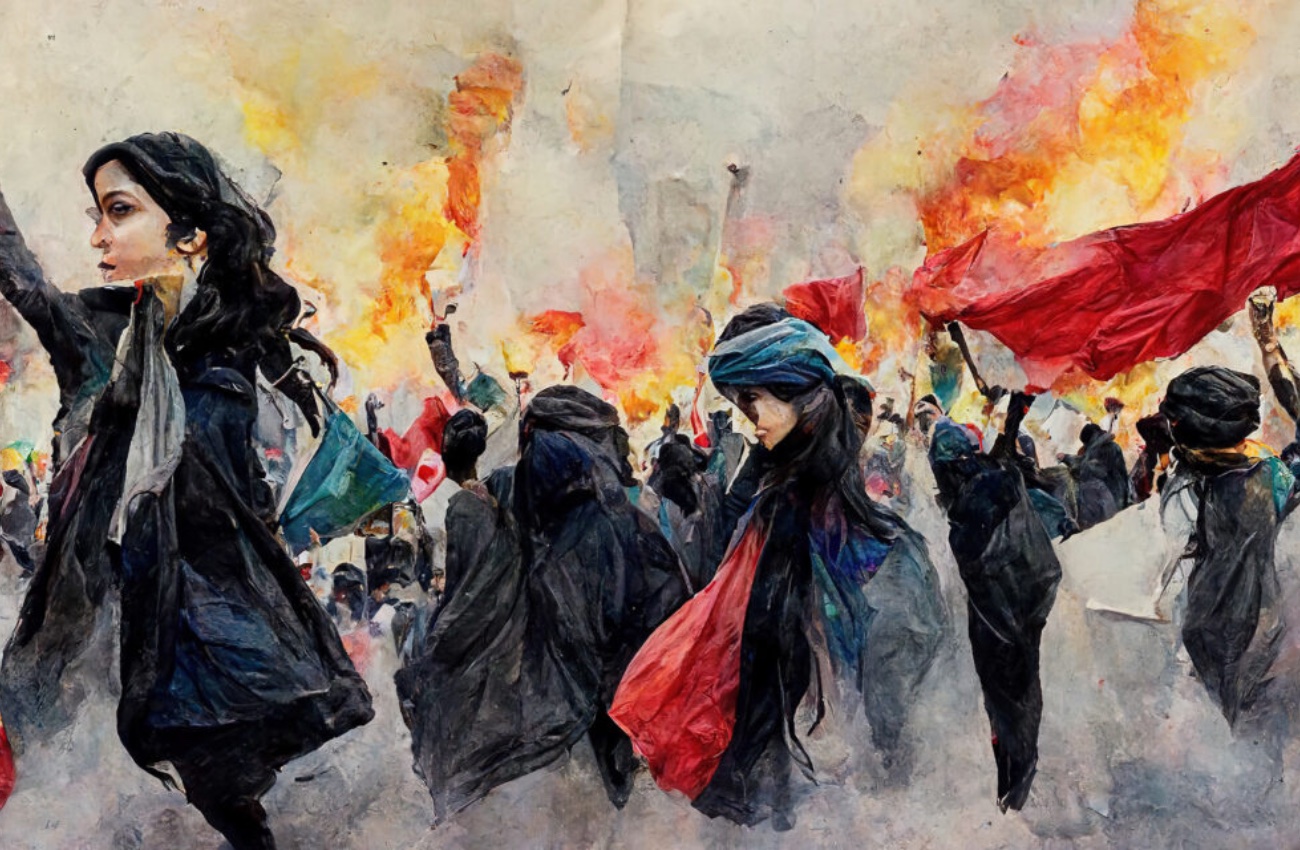
For many organisations and activists, the day serves as a platform to discuss the challenges women still face today. These issues include economic inequality, barriers to education, healthcare disparities and the ongoing struggle against gender-based violence.
International Women’s Day also recognises that women’s experiences are shaped by many different factors including race, culture, disability, sexuality and socioeconomic background. The concept of intersectionality has become increasingly central to the global conversation about women’s rights, emphasising that equality must be inclusive of all women.
Ultimately, the day encourages collective action. By raising awareness and celebrating progress, International Women’s Day aims to inspire governments, communities and individuals to continue working toward lasting gender equality.
The Colours of International Women’s Day
The colour most commonly associated with International Women’s Day is purple, which symbolises justice, dignity and women’s empowerment.
Purple has historical roots in the suffragette movement of the early twentieth century in the United Kingdom. Campaigners fighting for women’s voting rights adopted a distinctive colour palette that included purple, white and green. Purple represented loyalty and dignity, white symbolised purity and green represented hope.
These colours became powerful symbols of the struggle for women’s political rights and have continued to influence International Women’s Day campaigns and visual identity.
Today, purple is widely used in events, campaigns and social media movements connected to the day, representing solidarity and the ongoing pursuit of equality.
International Women’s Day 2026 Theme
Each year, International Women’s Day is marked by a theme that highlights the most pressing issues facing women and encourages collective action toward gender equality.
The International Women’s Day 2026 theme is ‘Give to Gain’. The theme emphasises the power of community, mentorship and support in creating meaningful change for women and girls around the world. It highlights the idea that when individuals give their time, knowledge, encouragement and opportunities to others, the entire community benefits.
The theme encourages people to support women’s advancement through mentoring, sharing opportunities, and amplifying women’s voices in areas where they are often underrepresented. From workplaces and sports communities to education and leadership, the message behind ‘Give to Gain’ is that progress toward gender equality happens when people actively invest in supporting one another.
International Women’s Day 2026 also brings attention to wider challenges affecting women globally, including the digital gender gap, access to education, and equal opportunities in leadership and the workplace. Campaigns and events taking place around the world aim to inspire individuals, organisations and communities to take meaningful steps toward a more inclusive and equitable future.
Empowering Women Through Sport and Community
Sport has become an increasingly important platform for empowering women and building supportive communities. Female athletes, coaches and volunteers are helping inspire the next generation of girls to participate in sport and pursue their ambitions with confidence.
At events such as the National Running Show in the United Kingdom, athletes and advocates including Charlie Watson, known online as Runner Beans, alongside endurance runner Sophie Power and Olympic athlete Jo Pavey, have spoken about the barriers women face in sport and the importance of creating inclusive spaces.
Sophie Power encourages women to approach running in a way that suits their own journey, reminding runners that the most important thing is finding joy in the sport. Her message reflects a wider movement within athletics that promotes participation, wellbeing and community over competition.
Role models also play a crucial role in shaping young girls’ confidence. Educators and coaches often highlight how visibility matters, showing girls that women belong in sport, leadership and public life.
Community organisations and volunteer networks have also become powerful forces in encouraging women to support one another. Many women who once struggled with confidence have gone on to become mentors, coaches and leaders in their communities, helping others discover the benefits of sport and teamwork.
International Women’s Day Around the World
International Women’s Day is celebrated in different ways around the world, reflecting local cultures and traditions.
In countries such as Russia and Ukraine, the day is a national holiday and it is customary to give women flowers and gifts. In Italy, people celebrate ‘La Festa della Donna’, where the bright yellow mimosa flower has become a symbol of appreciation and respect for women.
In China, many women receive a half-day off work to mark the occasion. In the United States, the entire month of March is recognised as Women’s History Month, with events dedicated to celebrating the achievements of women throughout history.
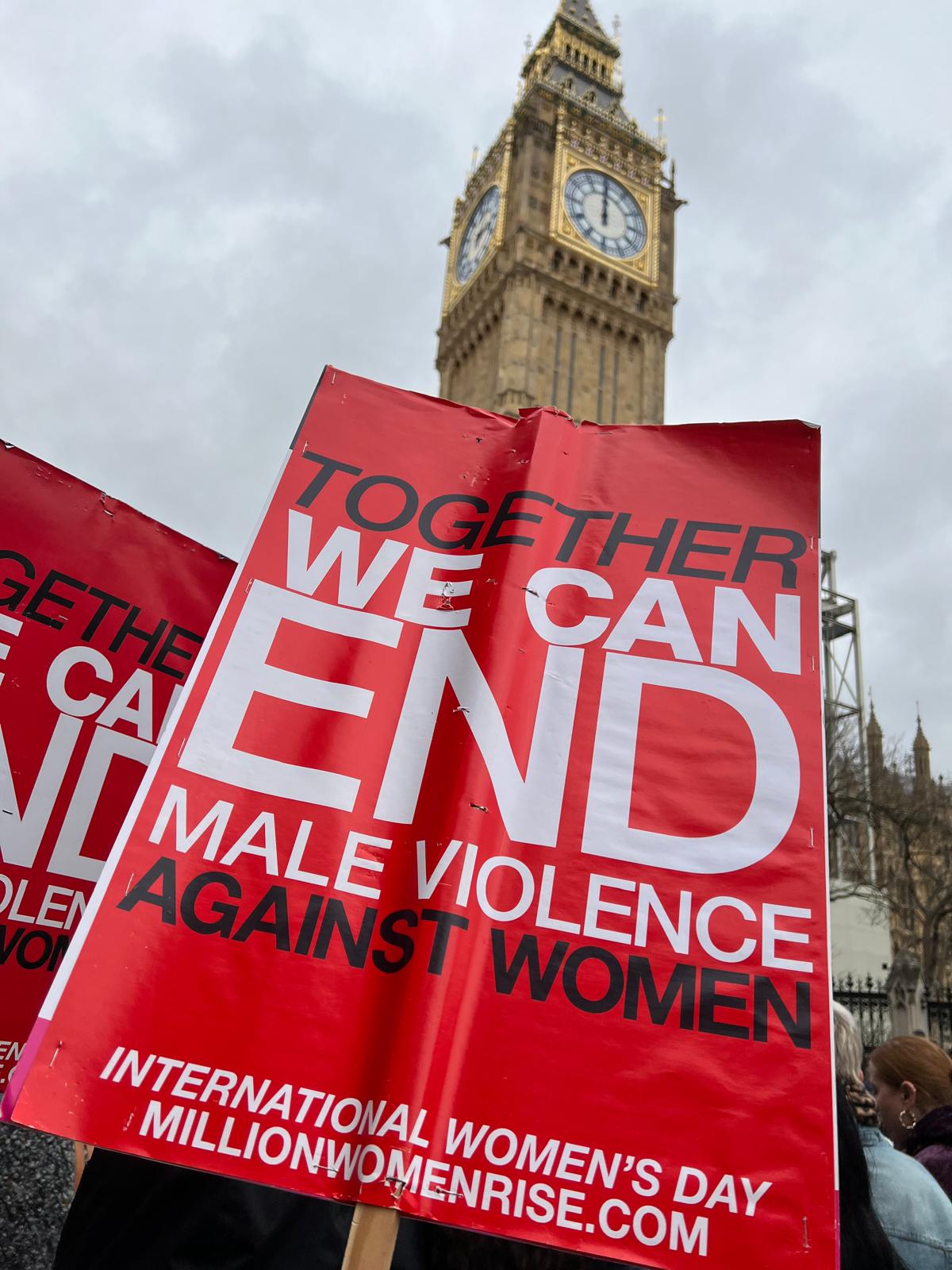
In the United Kingdom, International Women’s Day is marked by public marches, panel discussions, workshops and networking events that focus on women’s leadership, entrepreneurship and social change.
Why International Women’s Day Still Matters
Despite significant progress over the past century, gender inequality continues to affect millions of women around the world. Women remain underrepresented in leadership positions, often earn less than men for the same work, and are disproportionately affected by violence and discrimination.
International Women’s Day serves as a reminder that the pursuit of equality is ongoing. By celebrating women’s achievements and raising awareness of the challenges that remain, the day helps maintain momentum for change.
For many people, it is also an opportunity to support women-led organisations, mentor younger women, share inspiring stories and reflect on how individuals and communities can contribute to a more equal future.
As International Women’s Day 2026 approaches on 8 March, the message remains clear. Celebrating progress is important, but continuing the work toward gender equality is essential. The day stands as both a tribute to the women who have shaped history and a call to action for the generations still working to build a fairer world.