
The Iran women protests have entered a critical phase in 2026 as demonstrations continue across the country despite intensified crackdowns, internet blackouts and mass arrests. What began in September 2022 after the death of Mahsa Amini has evolved into one of the most significant and sustained uprisings in modern Iranian history.
More than three years on, the chant “Woman, Life, Freedom” continues to define demonstrations inside Iran and solidarity protests around the world. While the movement was initially sparked by outrage over compulsory hijab laws, it has since grown into a broader challenge to systemic discrimination, economic hardship and authoritarian rule.
Despite repeated crackdowns, arrests and internet shutdowns, protests continue to flare across major cities. The Iran protests are no longer simply about dress codes, they represent a deeper generational struggle over freedom, equality and the future direction of the country.
What Is Happening in Iran Now?
As the world marks the two-year anniversary of the Mahsa Amini protests in Iran, renewed activity has been reported in major cities such as Tehran, Karaj and Isfahan. The anniversary became a focal point for demonstrations, vigils and online campaigns remembering Ms Amini’s death and reinforcing demands for women’s rights and legal reform.
All in-person classes at Iranian universities were suspended on 4 January for what the authorities described as “severely cold conditions”, although critics say the closure was announced to stop potential student demonstrations taking place. When campuses reopened, protests broke out across multiple universities in major cities, marking the first large-scale student protests since the nationwide unrest earlier this year.
These demonstrations followed nationwide commemorations held 40 days after the escalation of protests and the 8 January security response. The 40-day mourning milestone refers to a long-standing tradition in Iran – and in Shi’a Muslim culture more broadly – known as chehelom, marking the 40th day after a person’s death. Historically, these 40-day commemorations have often become renewed moments of mobilisation, including during the 1979 revolution and more recent protest movements. The anniversary following the January escalation served not only as a time of remembrance for those who lost their lives, but also as a catalyst for further student-led demonstrations and renewed calls for reform.
According to the US-based Human Rights Activists News Agency (HRANA), at least 7,000 people were killed during the January crackdown, including 6,488 protesters and 236 children. The organisation has said it is verifying reports of an additional 11,000 deaths. The Iranian government has officially confirmed 3,117 deaths. Other public figures have suggested significantly higher casualty figures, although exact numbers remain disputed and difficult to independently verify due to communication blackouts.
Recent months have seen continued demonstrations across Tehran and other provinces despite heightened security and surveillance. Reports from activists describe ongoing detentions, pressure on families of those killed during protests, and restrictions placed on public mourning ceremonies.
Economic instability, including inflation, unemployment and currency devaluation, has further intensified public frustration. While the protests began with women openly defying compulsory hijab laws, the movement now includes broader calls for transparency, accountability and regime change.
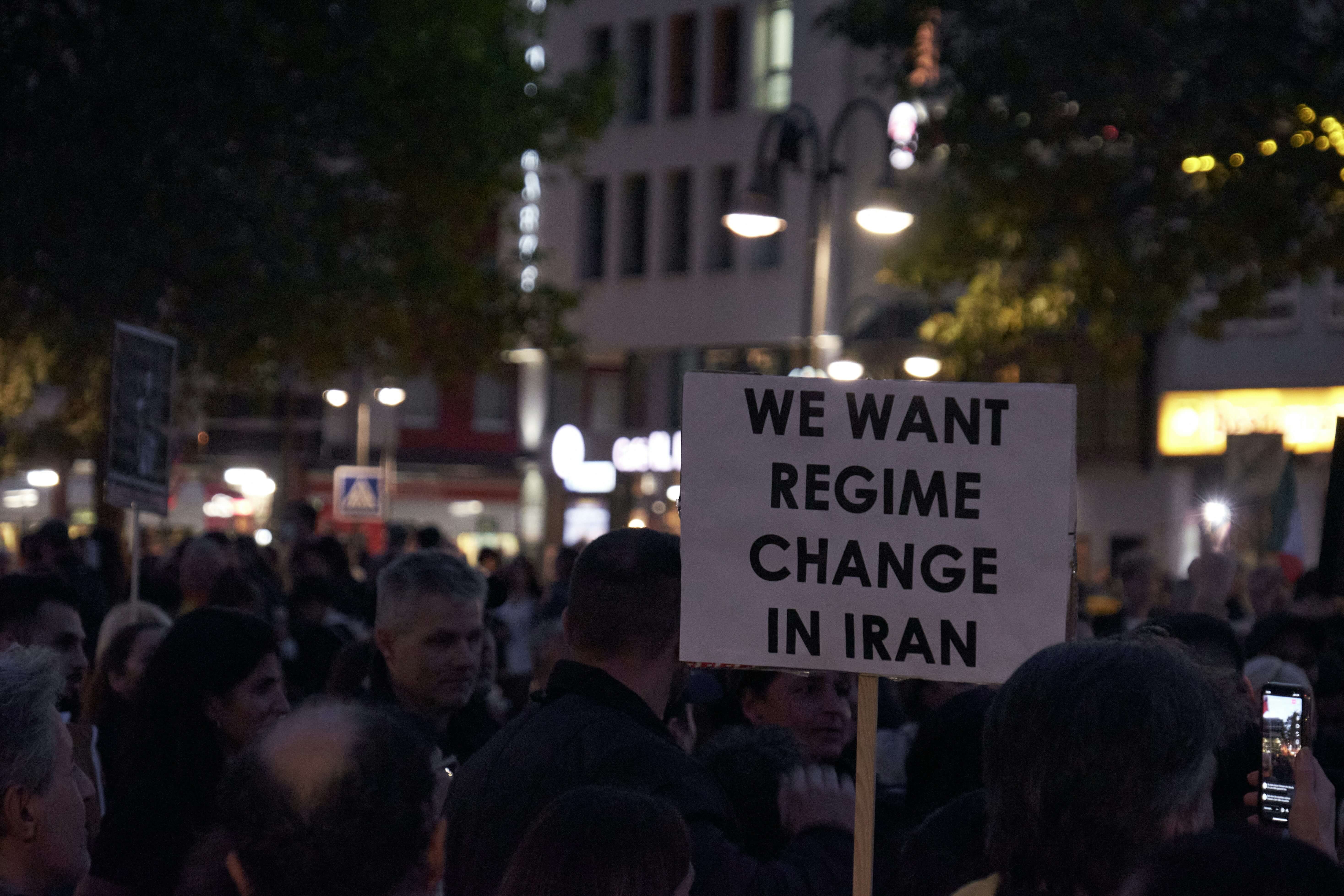
The chant “Zan, Zendagi, Azadi”, meaning “Woman, Life, Freedom”, remains central to the movement’s identity and continues to echo across campuses, city streets and global solidarity rallies.
How the Iran Protests Began
Iran was rocked by nationwide protests following the death of 22-year-old Mahsa Amini in September 2022. She died after being arrested by the country’s ‘morality police’, who enforce strict codes around dress and behaviour, for allegedly not wearing her hijab correctly and wearing skinny jeans. Her family said she was beaten while in custody and that her head was struck several times. Authorities denied the allegations, attributing her death to an underlying medical condition.
The first protests took place after Ms Amini’s funeral in the western city of Saqqez, when women publicly removed and ripped off their headscarves in an act of solidarity and defiance. The demonstrations quickly spread across cities and provinces, uniting women, students and workers in what became the most significant wave of unrest in Iran in decades.
Following Amini’s death, the United Nations Human Rights Office publicly condemned the enforcement of compulsory hijab laws in Iran, stating: “We strongly condemn the use of physical violence against women and the denial of fundamental human dignity when enforcing compulsory hijab policies organised by state authorities.
“We call on the Iranian authorities to hold an independent, impartial, and prompt investigation into Ms. Amini’s death, make the findings of the investigation public, and hold all perpetrators accountable.”
The international response highlighted the global concern surrounding her death and the broader treatment of women in Iran, as protests quickly expanded beyond outrage over compulsory hijab enforcement into a nationwide movement demanding accountability and reform.
The protests that began in Saqqez soon evolved into a nationwide movement demanding women’s rights, accountability and systemic reform.
The Woman, Life, Freedom Movement in Iran
The Kurdish phrase “Jin, Jiyan, Azadi” — meaning “Woman, Life, Freedom” — became the defining slogan of the Iran women protests. The phrase has roots in decades of Kurdish resistance movements and feminist activism, where it symbolised the belief that women’s liberation is inseparable from social and political freedom.
Following the death of Mahsa Amini, who was herself Kurdish, the slogan quickly spread beyond Kurdish communities and became the unifying chant of nationwide protests across Iran. It was first heard prominently during her funeral in Saqqez, where women removed their veils and cut their hair in defiance.
Amini’s parents chose to hold her funeral publicly despite reportedly being warned against doing so. During the funeral procession, women began removing their hijabs and cutting their hair — acts that quickly became powerful symbols of resistance. Protests erupted in Saqqez and rapidly spread to cities across Iran, including Tehran, Isfahan and Mashhad.
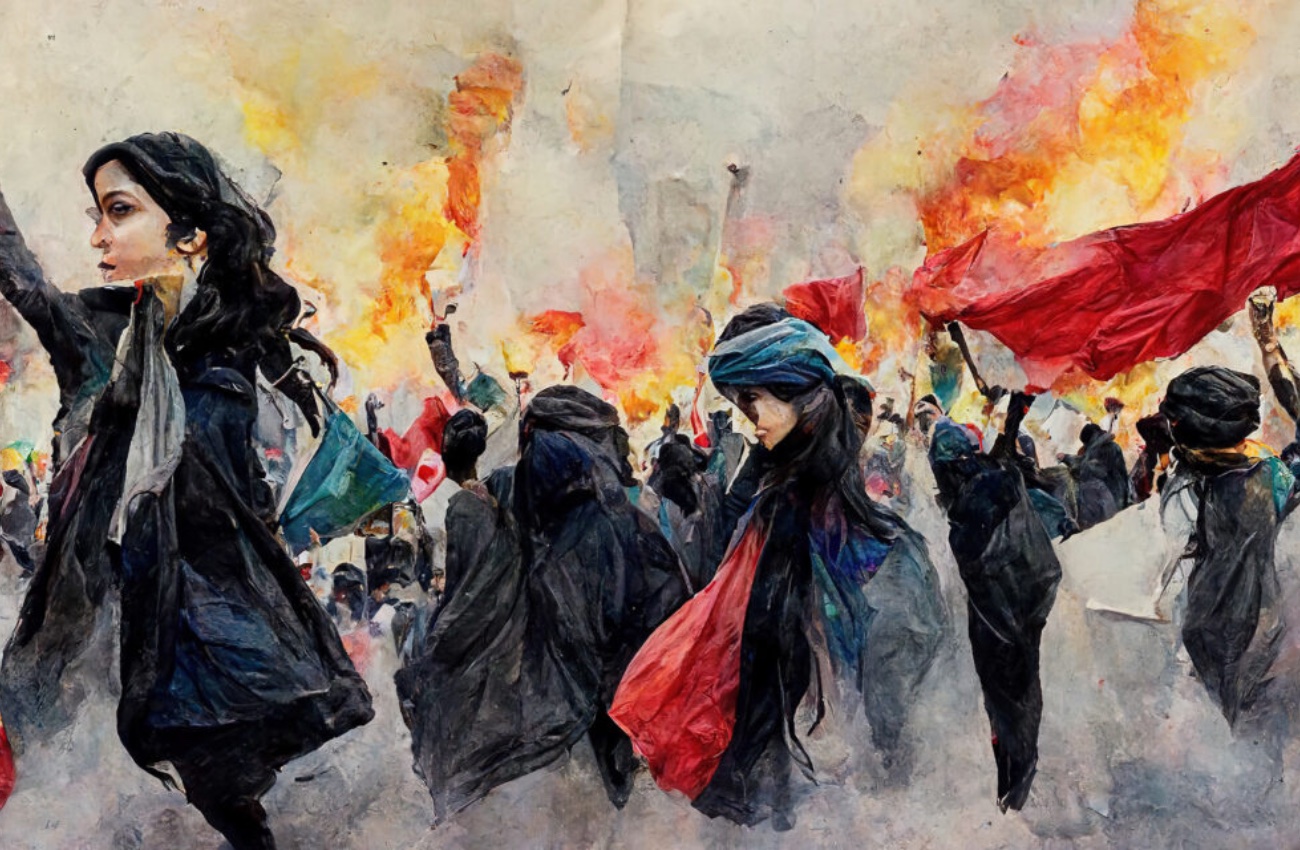
As demonstrations intensified, women across the country burned their headscarves and publicly cut their hair in solidarity. What began as outrage over one woman’s death evolved into what many observers have described as a feminist social revolution. The slogan “Woman, Life, Freedom” continues to represent demands for bodily autonomy, gender equality and systemic political change.
Unlike previous protest movements focused primarily on elections or economic grievances, the Woman, Life, Freedom movement centres explicitly on women;s rights as the foundation of broader democratic reform.
What Are the Rules for Women in Iran?
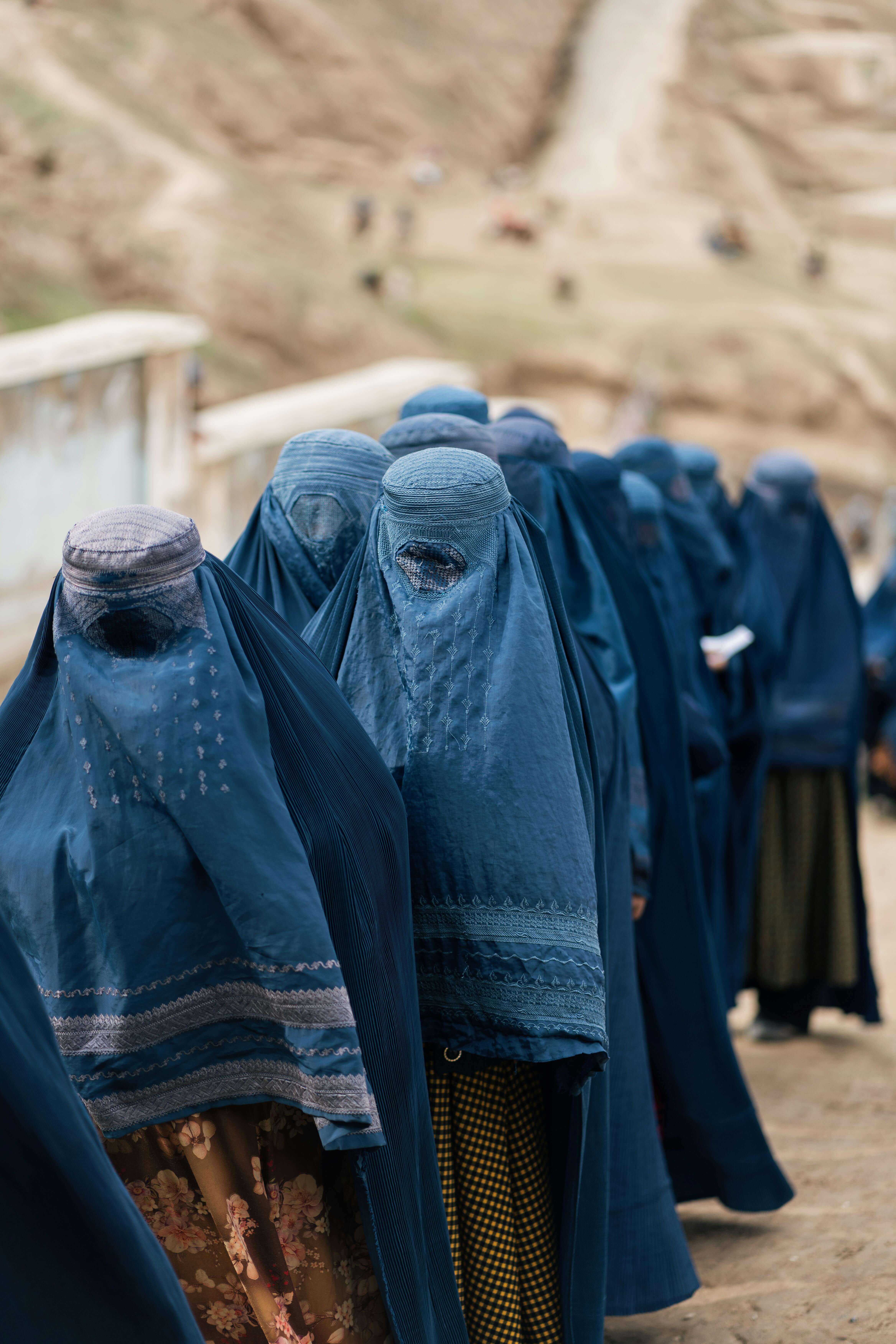
Article 21 of the constitution, alongside several parliament-passed laws in Iran, grants women certain rights, including the ability to drive, hold public office and attend university. However, strict dress codes remain enforced by law. Not wearing a veil in public can be punished, and when outside the home, women must cover their hair and most of their body except for the face and hands.
Girls are required to wear the hijab upon reaching puberty. As women, they continue to be denied freedom of choice in dress, which affects their ability to participate fully in public life, including education, employment and even travel.
Women have been resisting compulsory dress codes for decades and are now openly defying them as an act of protest by going out without the hijab. While the dress code is the most visible form of discrimination, it is only one aspect of broader systemic inequality.
Once married, girls and women often face additional restrictions. Under Iran’s Civil Code, a husband has the right to choose where the family lives and may prevent his wife from taking certain jobs if he considers them incompatible with ‘family values’. Under the country’s Passports Law, a woman requires her husband’s permission to obtain a passport and travel abroad.
Iran also lacks comprehensive legal protections against domestic abuse and violence against women.
Who Is Protesting in Iran?
Iranians of all ages, ethnicities and genders have joined demonstrations, but it is primarily younger generations of women who have taken to the streets and remained at the forefront of the Iran women protests.
“Women started this wave of protest,” said Ramyar Hassani, spokesman for the Hengaw Organisation for Human Rights. “But everyone else joined. Women and men are shoulder-to-shoulder. All of Iran is united. For the first time in the history of Iran since the Islamic Revolution, there is this unique unity between the ethnicities. Everyone is chanting the same slogan. Their demand is the same.”
Images and videos have shown women setting their headscarves on fire and cutting their hair in public to chants of “Woman, Life, Freedom” and “Death to the dictator”, aimed at the country’s Supreme Leader, Ayatollah Ali Khamenei.
The Iran women protests continue to represent not only resistance to compulsory hijab laws, but a wider demand for equality, dignity and political change.
Three Years On from the ‘Woman Life Freedom’ Uprising
More than three years after the “Woman Life Freedom” uprising began, international human rights organisation Amnesty International says “impunity for crimes reigns supreme” and that people in Iran continue to endure the consequences of the authorities’ brutal crackdown.
In a statement, Amnesty International said: “No effective, impartial and independent criminal investigations have taken place into the serious human rights violations and crimes under international law by Iranian authorities during and in the aftermath of the nationwide protests of September-December 2022, including security forces’ extensive and unlawful use of force and firearms.”
According to Amnesty, security forces fired assault rifles, shot guns loaded with metal pellets and teargas canisters, and severely beat protesters with batons. The organisation said this resulted in the unlawful killing of hundreds of protesters and bystanders, including scores of children, and life-changing injuries to many more. Amnesty also reported that authorities have sought to silence relatives seeking truth and justice for those killed through arbitrary detention, unjust prosecution, death threats and other forms of harassment.
“Two years on, the authorities have also further escalated their assault on human rights, waging a ‘war on women and girls’ through an increasingly violent crackdown on those defying draconian compulsory veiling laws and have intensified their use of the death penalty to silence dissent.”
Amnesty International’s Deputy Regional Director for the Middle East and North Africa, Diana Eltahawy, said: “The anniversary of the ‘Woman Life Freedom’ uprising is a haunting reminder that countless people in Iran are still reeling from the consequences of the authorities’ brutal crackdown. Victims, survivors and their relatives continue to be denied truth, justice and reparation for crimes under international law and other grave human rights violations committed by Iranian officials during and in the aftermath of the uprising.”
She added: “The Iranian authorities have spent the past two years waging a propaganda campaign of denial and distortion to conceal evidence of their crimes and attempting to intimidate survivors and victims’ families into silence. With no prospect for independent and impartial investigations domestically, it is imperative that states initiate criminal investigations into the crimes committed by the Iranian authorities through their domestic prosecution offices under the principle of universal jurisdiction.”
Intensified ‘War on Women and Girls’
Amnesty International said that two years on, authorities have further escalated what it described as a ‘war on women and girls,’ increasing enforcement of compulsory veiling laws.
As part of these efforts, Iranian authorities launched a new nationwide campaign known as the ‘Noor Plan’ in April 2024. Since then, there has been a visible increase in security patrols on foot, motorbikes, cars and police vans in public spaces to enforce compulsory veiling.
The crackdown has reportedly included dangerous car chases to stop women drivers, mass confiscation of vehicles, imprisonment, as well as flogging and other penalties amounting to torture or cruel, inhuman or degrading treatment.
On 22 July 2024, agents from Iran’s police force fired lethal ammunition at a car 31-year-old Arezou Badri was travelling in, leaving her gravely injured. According to media reports, the agents were seeking to confiscate the vehicle as part of enforcing compulsory veiling laws.
In August 2024, video footage circulated on social media showing multiple agents violently assaulting two 14-year-old girls who had removed their headscarves. One of the girls, Nafas Hajisharif, said in a media interview: “They were pulling me by my hair, shouting at me and cursing…when they took me inside the van, they threw me onto the floor. One female agent hit me, put her knee on my throat, and hit my head hard. My head was stuck between the seats, and they were kicking the side of my torso.”
Amnesty said enforcement of compulsory veiling laws involves multiple state bodies, including the Moral Security Police, traffic police, prosecution offices, courts, the Ministry of Intelligence, the Revolutionary Guards, including its Basij forces, and plainclothes agents.
Meanwhile, Iran’s parliament is nearing the adoption of a “Bill to Support the Culture of Chastity and Hijab”, which Amnesty says aims to legalize the intensified assault on women and girls who defy compulsory veiling.
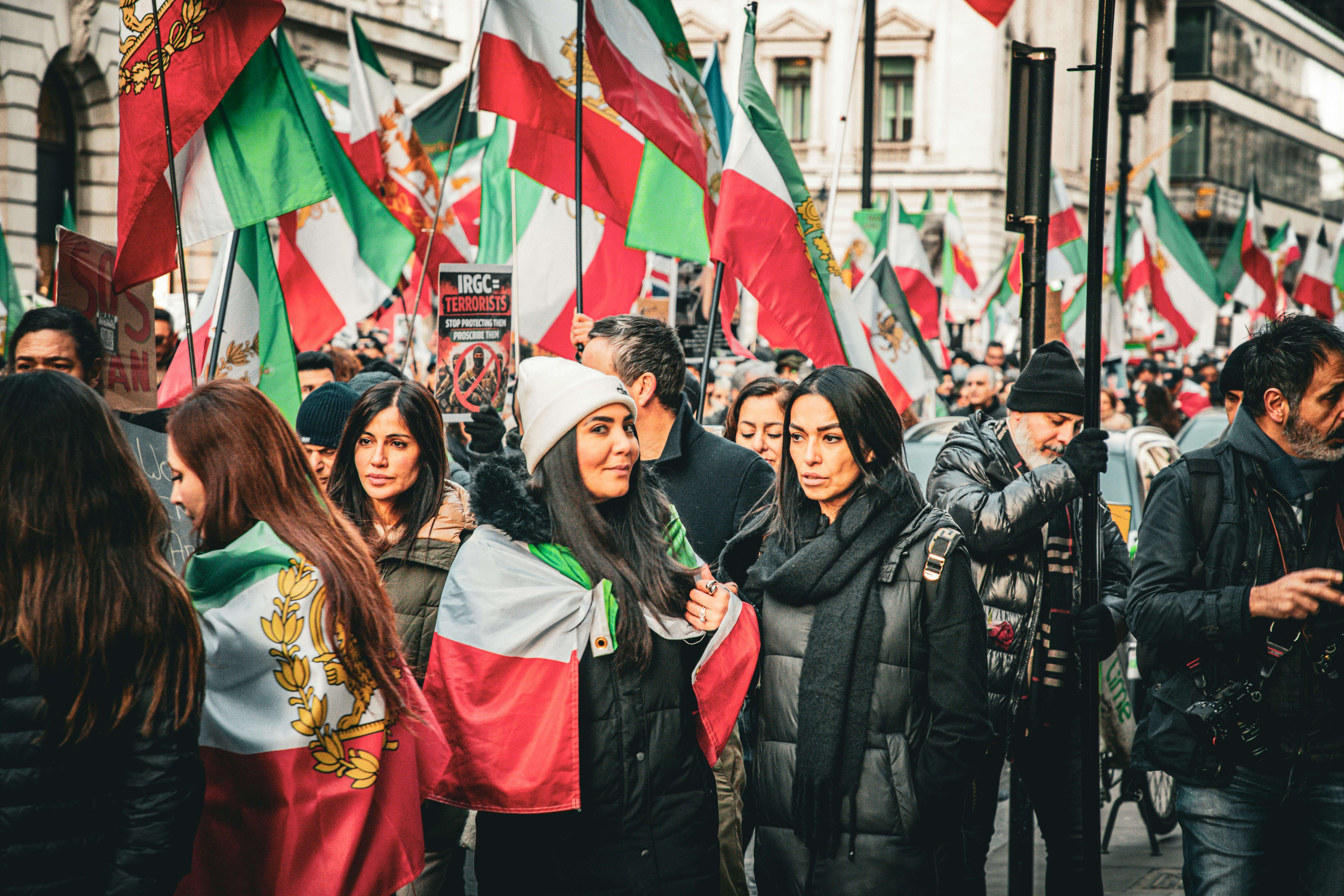
The Ongoing Iran Women Protests
Since the ‘Woman Life Freedom’ uprising, Amnesty reports that authorities have doubled down on the use of the death penalty. The year 2023 saw the highest number of executions in eight years, as authorities resorted to the death penalty as a tool of oppression to silence dissent.
Authorities have arbitrarily executed 10 men since December 2022 in relation to the September–December 2022 protests, including Reza (Gholamreza) Rasaei, who was executed in secret on 6 August 2024.
Amnesty states that these executions followed grossly unfair sham trials which relied on “confessions” extracted under torture and other ill-treatment, including sexual violence, that were not independently and impartially investigated.
More than a dozen people remain at risk of execution or being sentenced to death in connection with the protests, including Mojahed Kourkouri.
This escalation has also included the use of the death penalty against women on politically motivated charges. Human rights defender Sharifeh Mohammadi and Kurdish civil society activist Pakhshan Azizi were convicted of “armed rebellion against the state” (baghi) and sentenced to death in separate cases linked to peaceful activism. Reports indicate they were subjected to torture and other ill-treatment in detention. At least two other women, Wrisha Moradi and Nasim Gholami Simiyari, have also faced similar charges.
Over the past two years, Amnesty International has documented allegations that officials subjected detainees during the protests to torture and other ill-treatment, including rape and other forms of sexual violence.
In December 2023, Amnesty detailed what it described as the harrowing use of rape, including gang rape, and other forms of sexual violence by Iranian authorities during the protests, including against children as young as 12.
In March 2024, Iran’s High Council for Human Rights responded to Amnesty’s findings, stating that in 28 out of 31 provinces no complaints had been filed under the headings of rape, assault or sexual harassment. Amnesty has said that prosecution and judicial authorities have repeatedly dismissed or covered up evidence of sexual violence, including complaints by survivors.
Iranian officials suspected of criminal responsibility for crimes under international law have continued to evade justice. In March 2024, a ‘Special Committee for Examining the Unrest of 2022’ concluded that security forces had “acted responsibly” during the protests – a finding rejected by Amnesty and other human rights organisations.
The UN Human Rights Council has extended the mandate of its Fact-Finding Mission on Iran, yet Iranian authorities continue to refuse cooperation or grant access. Amnesty International has called on states worldwide to initiate criminal investigations into Iranian officials reasonably suspected of crimes under international law under the principle of universal jurisdiction.
As Iran’s feminist social movement continues, women and young activists remain at the forefront of efforts to shape a new future for the country after decades of repression. Across the Iranian diaspora – including in the UK – exiled activists have mobilised in solidarity, calling for accountability, equality and democratic reform.
The Women’s Journal stands firmly with the women of Iran as they continue to challenge repression and demand the freedoms long denied to them. We call for women’s rights, freedom, justice and lasting democratic reform that ensures full equality for all women.