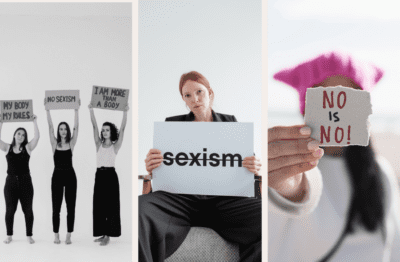

The Taliban has legalised domestic violence in Afghanistan in a catastrophic setback of women’s rights. The new penal code published by Taliban leaders permits acts of physical punishment against women, formally removes legal protections inside the home, bans women from escaping domestic abuse and makes justice structurally impossible.
The legislation, a 90-page criminal code formally titled De Mahakumu Jazaai Osulnama, was signed into law by the Taliban’s leader, Hibatullah Akhundzada. Under the code, husbands are permitted to physically abuse their wives and children, provided the violence does not result in what the law defines as ‘broken bones or open wounds’.
Human rights groups warn the legislation formalises violence against women and girls within Afghanistan’s legal system, stripping away what few protections remained under Taliban rule.
A Law That Permits Violence Against Women
The new penal code draws on the Taliban’s interpretation of Islamic scripture and introduces different levels of punishment depending on whether the accused is considered ‘free’ or ‘a slave’. Legal experts say this embeds inequality directly into the justice system, placing women in a legally subordinate position to men.
The framework effectively divides Afghan society into upper and lower-class citizens. The upper tier is expected to be dominated by religious leaders and mullahs, while those in the lower category – which critics say includes women – are subject to harsher treatment.
As the rules have been distributed nationwide, physical chastisement of those deemed subordinate is treated as more acceptable. Political commentators predict the code will result in increased violence against female citizens, as women are effectively equated to ‘slaves’ and their husbands to ‘slave masters’. And those at the top of this hierarchy responsible for abuse are expected to avoid criminal prosecution altogether due to their status.
Under the new code, husbands are permitted to physically abuse their wives and children as long as the violence does not result in visible fractures or open wounds.
Crucially, the Taliban has neither condemned nor explicitly prohibited psychological or sexual violence against women. By focusing solely on visible physical injury, the law leaves coercive control, emotional abuse and marital rape effectively outside the scope of the justice system.
Those who breach the rules face a maximum penalty of just 15 days in prison, reserved only for cases involving what the Taliban describes as ‘obscene force’. But even when abuse crosses this threshold, convictions depend on a woman being able to prove the violence in court by showing her injuries to a religious judge.
Justice Made Structurally Impossible
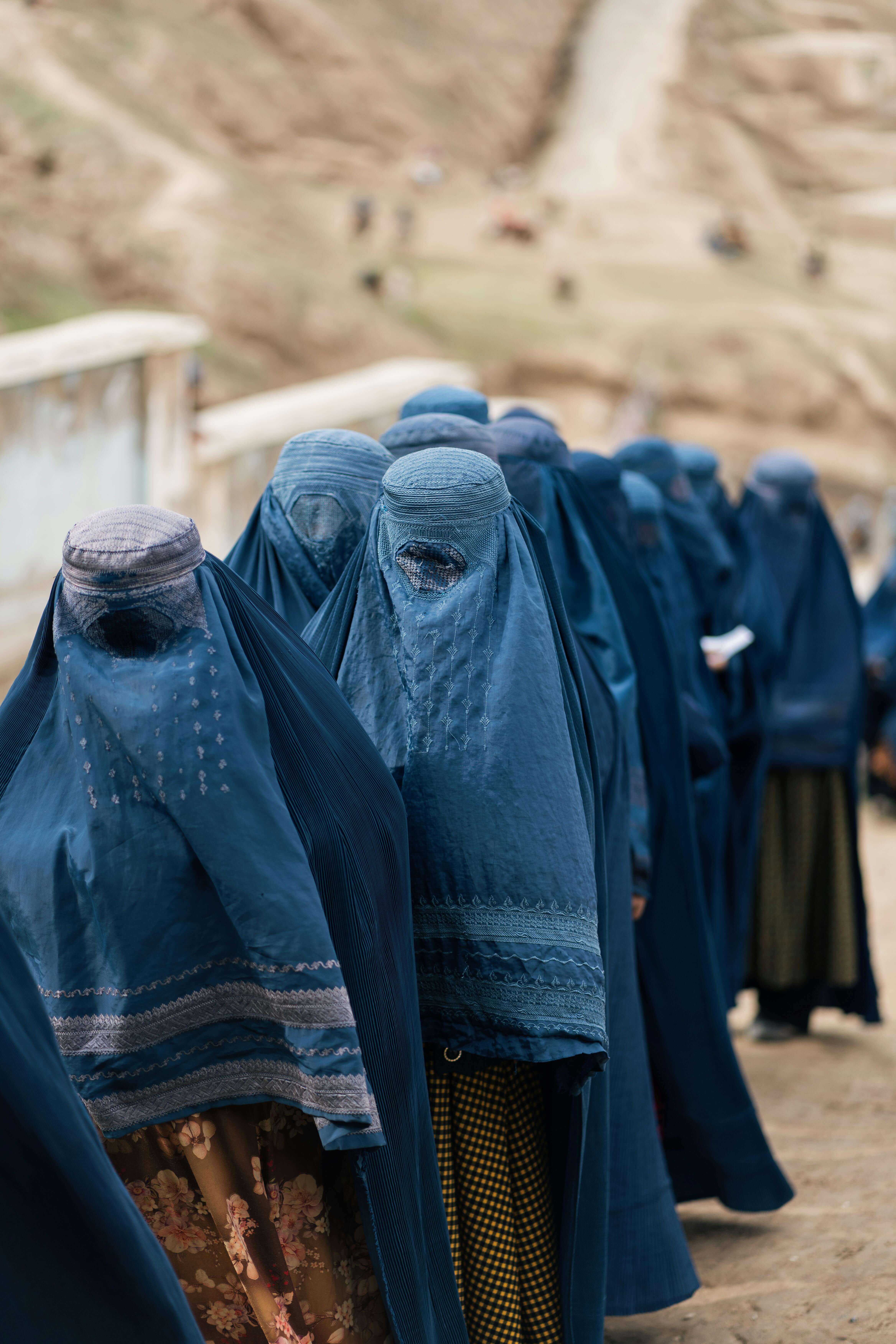
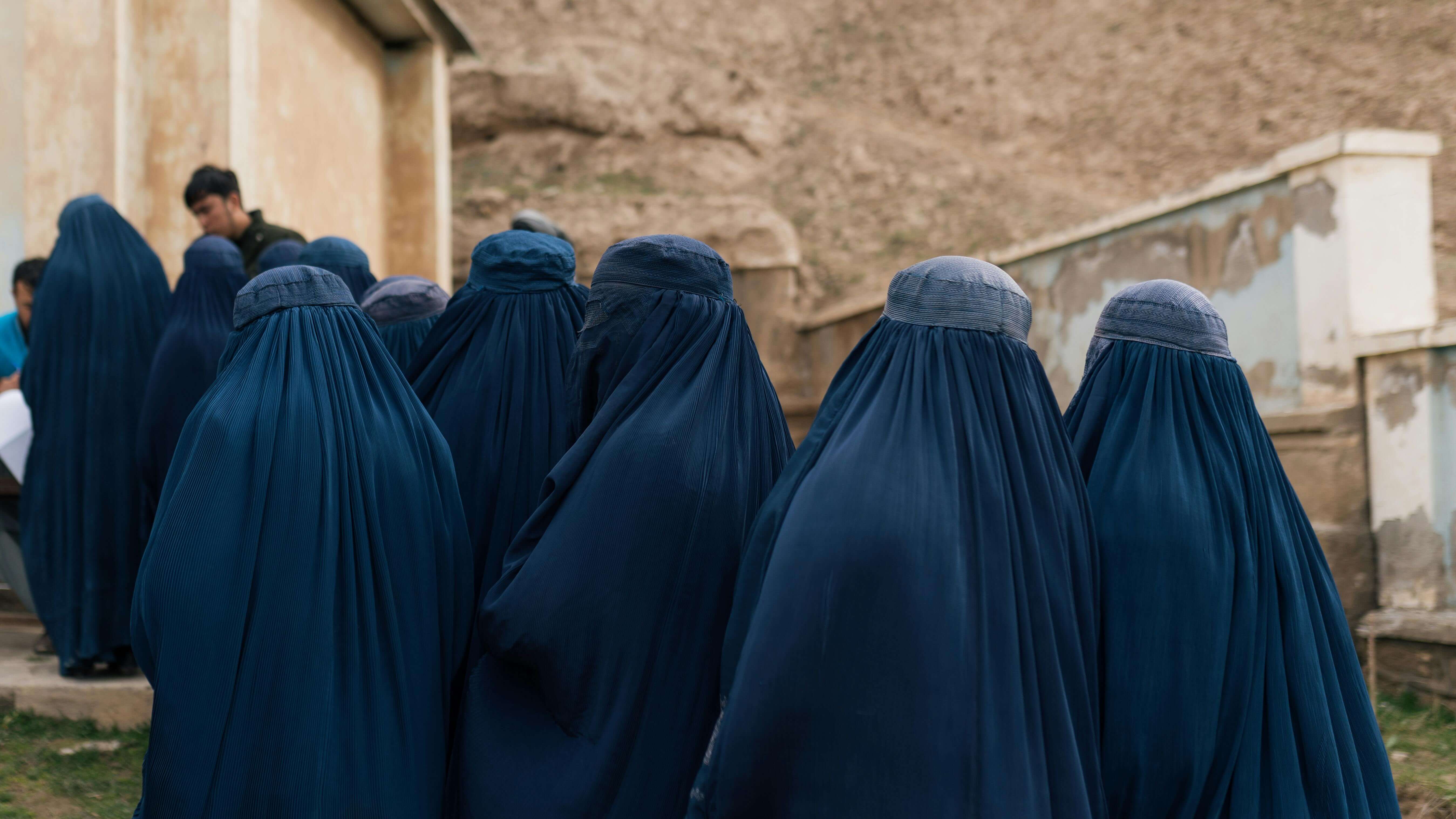
In practice, securing justice is structurally impossible. Women are required to remain fully covered in public at all times under Taliban rules, yet in order to prove abuse they must present physical injuries as evidence before a Taliban-appointed judge. This contradiction creates a near-impossible burden, particularly as women must also attend court accompanied by a male chaperone, who in many cases is the husband accused of abusing them.
Justice for women who endure physical abuse by their partners is not clearly stipulated in the new criminal code. The sole possible route involves women presenting proof of serious bodily harm while complying with strict dress codes and guardianship rules that often place them under the control of the alleged abuser.
An anonymous female legal adviser working in Afghanistan’s capital, Kabul, told The Independent that women face an “extremely lengthy and difficult” process to secure justice for assaults under Taliban law, warning that they will now struggle even more to achieve justice in a society that already regarded them as second-class citizens.
The adviser cited a recent case in which a woman was beaten while visiting her husband in prison for not having a male chaperone present despite the fact that her husband was incarcerated.
“She cried and shouted in public that death would be better than what she is going through,” the adviser said. “It is impossible for women to get any justice for an assault that happens to them.”
Even in the rarest cases where extreme violence is proven, perpetrators face a minimum sentence of just 15 days.
Under related regulations, a married woman can also be jailed for up to three months for visiting relatives without her husband’s permission even if she is attempting to flee violence or seek refuge.
Women’s Rights Dismantled
The new law effectively classifies wives as the ‘property’ of their husbands and dismantles previous legal protections and safeguards for women including the Elimination of Violence Against Women (EVAW) law introduced in 2009 under the former US-backed government. That legislation criminalised forced marriage, rape and other forms of gender-based violence, with domestic violence punishable by prison sentences of between three and twelve months.
The Taliban returned to power in 2021 following a rapid takeover that coincided with the withdrawal of US troops and NATO forces. Since then, restrictions on women and girls have intensified across almost every aspect of public life.
Girls have been barred from education beyond the age of 12, women have been excluded from many workplaces and government roles, and access to public spaces including parks, gyms and beauty salons has been heavily restricted. Strict dress codes have been enforced, and women’s freedom of movement has been curtailed through guardianship requirements.
Campaigners from the exiled Afghan human rights organisation Rawadari warn that the new penal code legitimises the “abuse, maltreatment, and punishment” of women and children, exposing them to “continued domestic violence”.
The human rights group has demanded the “immediate halt of the implementation of the criminal procedure code” in Taliban courts and urged the international community to “utilise all legal instruments” to prevent the law from taking effect.
Rawadari campaigners, monitoring the Taliban regime largely from exile, warned that another provision of the penal code prevents women from seeking safety in their parents’ homes.
In a statement, the group cited Article 34, which states that if a woman repeatedly goes to her father’s house or that of other relatives without her husband’s permission and does not return home despite his request, both the woman and any family members who prevent her return are deemed criminal and face up to three months’ imprisonment.
“This provision, particularly in the case of women who take refuge at their parents’ house and relatives’ homes from violence and maltreatment by their husbands, exposes them to continued domestic violence and strips them of family and community protection, the only remaining protection for women victims of domestic violence in absence of formal and legal remedies,” the statement said.
The organisation’s executive director, Shaharzad Akbar, said the code places religious scholars in charge of enforcing systemic restrictions on the rights of women, girls and minorities, while granting the mullahs themselves sweeping immunity from legal consequences.
She said the new legal framework establishes a hierarchy in which punishment is determined not by the nature of the crime, but by the social status of the accused. At the top are religious scholars, followed by the elites, then the ‘middle class’ with those deemed ‘lower class’ at the bottom.
If a religious scholar commits a crime, they receive only ‘advice’ regarding their actions. Members of the social elite face a maximum punishment of ‘advice’ and, if required, a court summons. For those categorised as ‘middle class’, the harshest penalty is imprisonment, while those in the ‘lower class’ can face imprisonment combined with corporal punishment.
“So the mullah is king now,” Akbar said. “The mullah calls the shots, and the mullah gets all the privileges that ordinary people can’t, because they’re put even above elites”.
The new penal code has triggered widespread condemnation both within Afghanistan and internationally and Taliban authorities have warned that even discussing the legislation could constitute an offence.
UN Special Rapporteur on Violence against Women and Girls Reem Alsalem wrote on X: “The implications of this latest code for women and girls is simply terrifying. The Taliban however have understood, and understood correctly, that no one will stop them. Will the international community prove them wrong? And if so when?”
Women’s rights organisations say the legislation represents one of the most severe institutional assaults on women in Afghanistan since the Taliban’s return to power.
Domestic Violence Support Services
Domestic violence can affect anyone and does not always involve physical abuse. It can include emotional, psychological, sexual and financial abuse. One in four women in England and Wales have experienced domestic abuse and globally one in three women aged 15 and older have been subjected to physical and/or sexual violence at least once, most commonly by an intimate partner. This equates to approximately 840 million women worldwide. If you are experiencing abuse, support is available. Remember, you are not alone.
National Domestic Abuse Helpline (Refuge)
0808 2000 247 – Free and available 24/7
Women’s Aid
0808 2000 247 – Free and available 24/7
Southall Black Sisters
020 8571 0800 – Free and available Monday to Friday: 10am-4pm
Victim Support
0808 168 9111 – Free and available 24/7