

Like many of us, I somewhat reluctantly watched Louis Theroux’s latest documentary, Inside the Manosphere on Netflix, last week. As a boy mum, it almost felt like my duty. It was both infuriating and depressing – but not at all surprising – watching these social media stars peddling their anti-women ideologies and warped ideas of who or what a man should be.
But the 90-minute film barely scratched the surface on how this kind of content is affecting those who have chosen not to be a part of it – the women, girls, teachers and parents of boys who are frequently having to deal with those who watch it online and then subsequently navigate the misogyny, homophobia and real-world violence that comes with it.
Why being a boy mum feels different today
Parenting is not an easy game for anyone. But raising boys has its own set of challenges, especially right now. The statistics speak for themselves. In 2024, Vodafone’s Aggro-rithm campaign revealed that exposure to this kind of harmful content is only becoming more and more extreme, with boys aged 11-14 being exposed to it on average within just 30 seconds of being online. More recently, Vodafone also reveals that 50% of parents have now witnessed their sons saying something inappropriate that they picked up online – an increase from 42% in 2024.
The statistics about female violence, sexual assault and male suicide are equally sobering. According to the ONS, on average one woman a week is killed by a male partner or ex-partner and almost a third have experienced domestic abuse since the age of 16, while male suicide continues to be the biggest cause of death among young men.
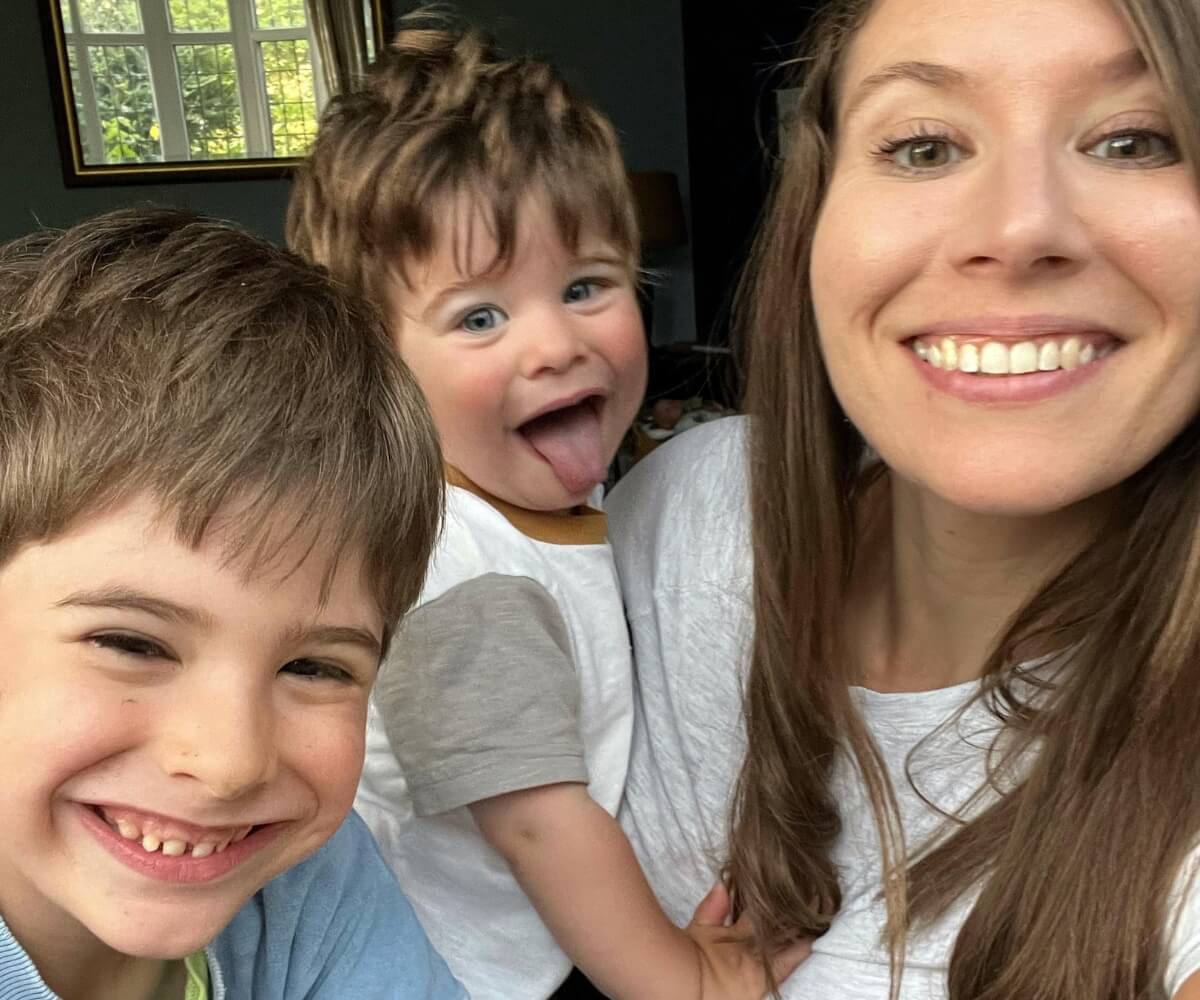
As a mum of boys who are almost seven and three, I’ve not yet had to grapple with the issue of technology, chat groups and social media, and the impact it has on kids as they grow. But I do feel a huge sense of responsibility in shaping my boys’ understanding of masculinity, emotions and the way women and girls are viewed, and according to parenting expert and author Sarah Ockwell-Smith, that’s where it all begins.
“We need to be worried far, far earlier,” she says. “The manosphere as it is now, is a symptom of the huge societal problem we are facing, not the cause of it. It’s full of boys and men who have been shunned by society, deprived of nurturance by their parents and carers, raised with gender stereotypes and encouraged to mask their true feelings. It doesn’t cause the problems we are facing today; it just mops up the boys who are already damaged.
“We need to stop boys from reaching this point. This is why I so strongly believe that banning social media is an ineffective and potentially dangerous way to tackle the issue,” she adds. “We have got to focus on the way we raise boys well before adolescence – less about red flags when they’re teenagers, more about how we treat them when they’re toddlers.”
Rightfully, we pour our energy into telling girls that they can be whoever they want to be, and that they don’t have to be constrained by society’s ideals of what it means to be a girl or a woman. But how many of us are sharing that same message with our boys?
What boys are really being taught about masculinity
It’s something I’m hugely conscious of. My eldest son in particular has a variety of interests and traits that don’t make him a stereotypical boy’s boy. Sure, he likes play-fighting with his brother, playing games consoles and tinkering with his Lego but he also loves reading, writing stories, designing costumes and dressing up. He’s sensitive, focused on doing well at school and his closest friends are girls. So when, on the way home from school one day, we were discussing after-school clubs and he said he couldn’t possibly do ballet because that was ‘for girls’, I was thrown. Had I not instilled into him enough that both boys and girls can do anything they wanted to do?
Later I would find out, of course, that it was something he’d heard on the playground. But a stark reminder that even at the tender age of six, boys are still struggling with these rules about how and who they’re supposed to be. Namely, nothing like a girl, right?
“We need to take a long hard look at ourselves, our own upbringings, the beliefs we (often subconsciously) hold about raising boys,” agrees Sarah. “We need to move on from stereotyping based upon sex. What boys need is unconditional love, support and guidance, and a sense of belonging and acceptance.
“Many are growing up in an environment where they are encouraged to hide their feelings, stay strong and stoic and present a model of masculinity that is tough, muscular, sporty, strong, heterosexual and brave,” she adds. “When boys struggle to fit into this narrow definition of masculinity they feel ostracised by society and like their parents and carers don’t understand their feelings.
“They try to present a version of hegemonic masculinity and are shunned by girls and presume that they are the problem, rather than the outdated stereotypes that are being pushed upon them. They then find solace in the metaphorical arms of the toxic male influencers who tell them that, ‘all women are like that’, it’s not their fault, being a man today is tough and that the problem is society, not them. For the first time ever, they feel a sense of belonging.”
What being a boy mum looks like in real life
At home, we’ve always encouraged both of our children to be individual, embrace the things they enjoy and feel a full range of emotions, but at the same time been conscious of the pressures they might face from the wider world.
I perhaps don’t worry about it as much as my partner, who I know is conscious that our eldest son is at the age where he could face teasing or bullying if he doesn’t fit into his peers’ ideal of what it means to be a boy. As a result, he has been desperate in the past to help him to ‘find his sport’ or be a bit more resilient in certain scenarios. This is likely, of course, because it’s something he experienced first-hand growing up but it’s also a reminder that no matter how old we are, we still have a lot to learn, and our boys could be getting mixed messages about who they’re supposed to be.
Why raising feminist boys matters more than ever
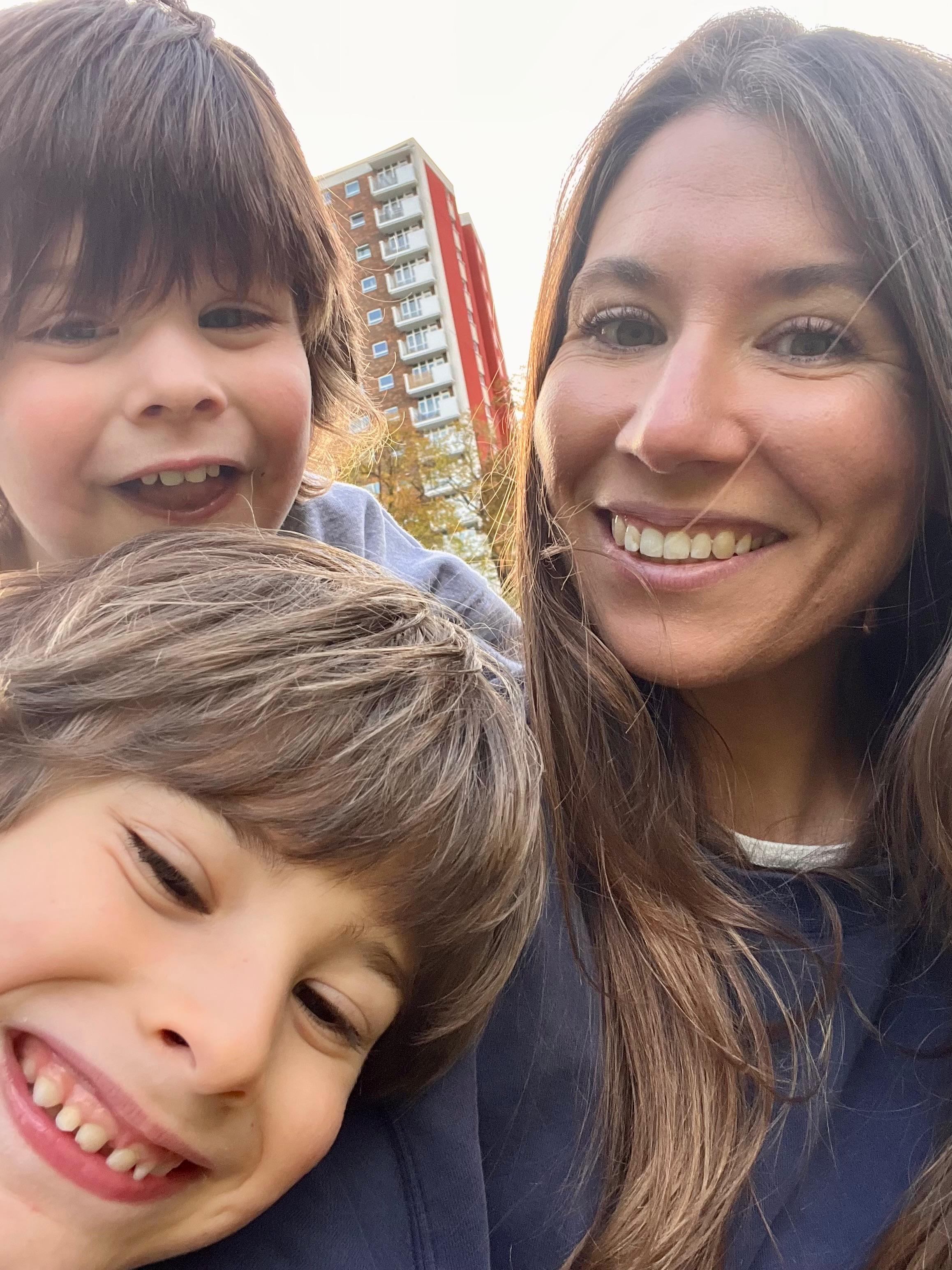
When I was younger, feminism to me meant challenging the patriarchy (read: my dad, the boys at school) and pushing back against gender stereotypes (cue my tomboy era). And then, eventually, it involved fighting to work my way up and find my voice in journalism where I was largely surrounded by brilliant women but those at the top were still very much male. Even when I had my eldest son, my partner and I split the parental leave, and I went back to my magazine job after seven months.
A pandemic, redundancy and another baby later, and things looked very different: I was now freelancing, my partner had a full time job in the NHS, and so there was no question about whose work would take priority and who would have to fit theirs in alongside the school and nursery pickups and the day to day running of a household.
But though my children see me doing most (not all, I hasten to add) of the household duties, they also see me working and hear me talking a lot about my job. I’ll remind my eldest of the time when daddy was the one at home making meals and taking him swimming. They know that boys and girls, men and women, can do the same things; that what each of us does as a parent is based on our individual skills and what works for us as a family, not because of gender. Most importantly, the way women are spoken about in our house is hugely important; equality is everything and I feel a huge pressure to make that clear every single day.
It’s obvious there is more work being done to address these issues now than there was 20 years ago, but we clearly still have a long way to go, and the rise in misogynistic content that our kids are being exposed to is making it harder than it’s ever been. While we are having the discussions that needed to be opened up about bringing up boys, there is still more to do.
“We need to raise boys to be feminists and see the discrimination that women and girls face from the earliest years,” adds Sarah. “This is the only way to vaccinate them against the future impact of the manosphere and prevent the chronic mental health crisis facing boys today. This is the only way we can make real change.”
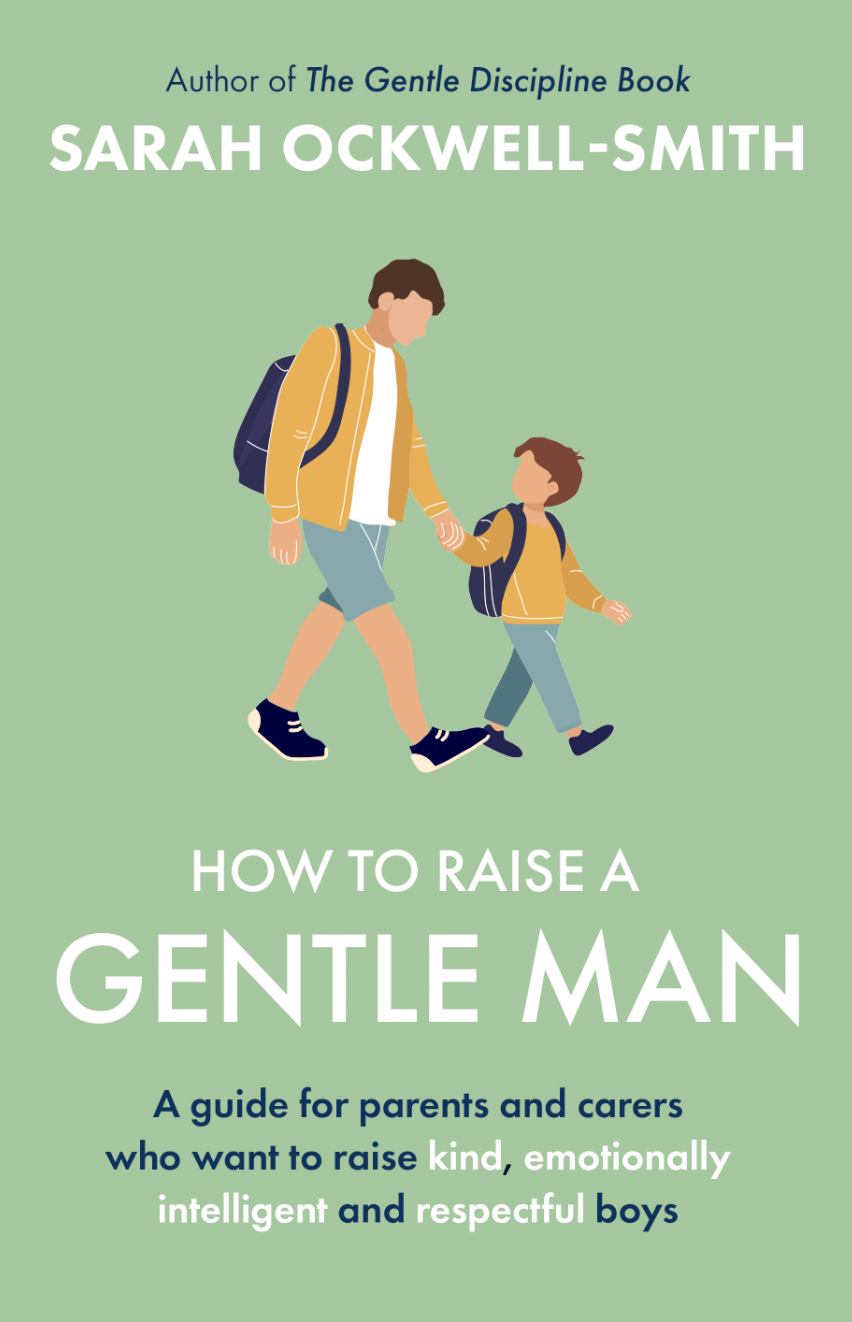
How to Raise a Gentle Man by Sarah Ockwell-Smith is available from 23 April 2026. Pre-order your copy here.