
‘What is biohacking?’ is one of the most searched wellness questions today, yet for all its popularity as a wellness trend, it still remains widely misunderstood. Often confused with anti-ageing trends or performance optimisation, biohacking is frequently seen as extreme or inaccessible, when in reality it is far more practical and relevant to everyday life, particularly for women.
At its core, biohacking is about making small, intentional changes to daily routines, informed by science and technology – from understanding sleep and stress to using data from wearables or fitness trackers to support the body more intelligently. Rather than chasing perfection, it focuses on improving how the body functions over time, supporting longevity, healthspan and biological age.
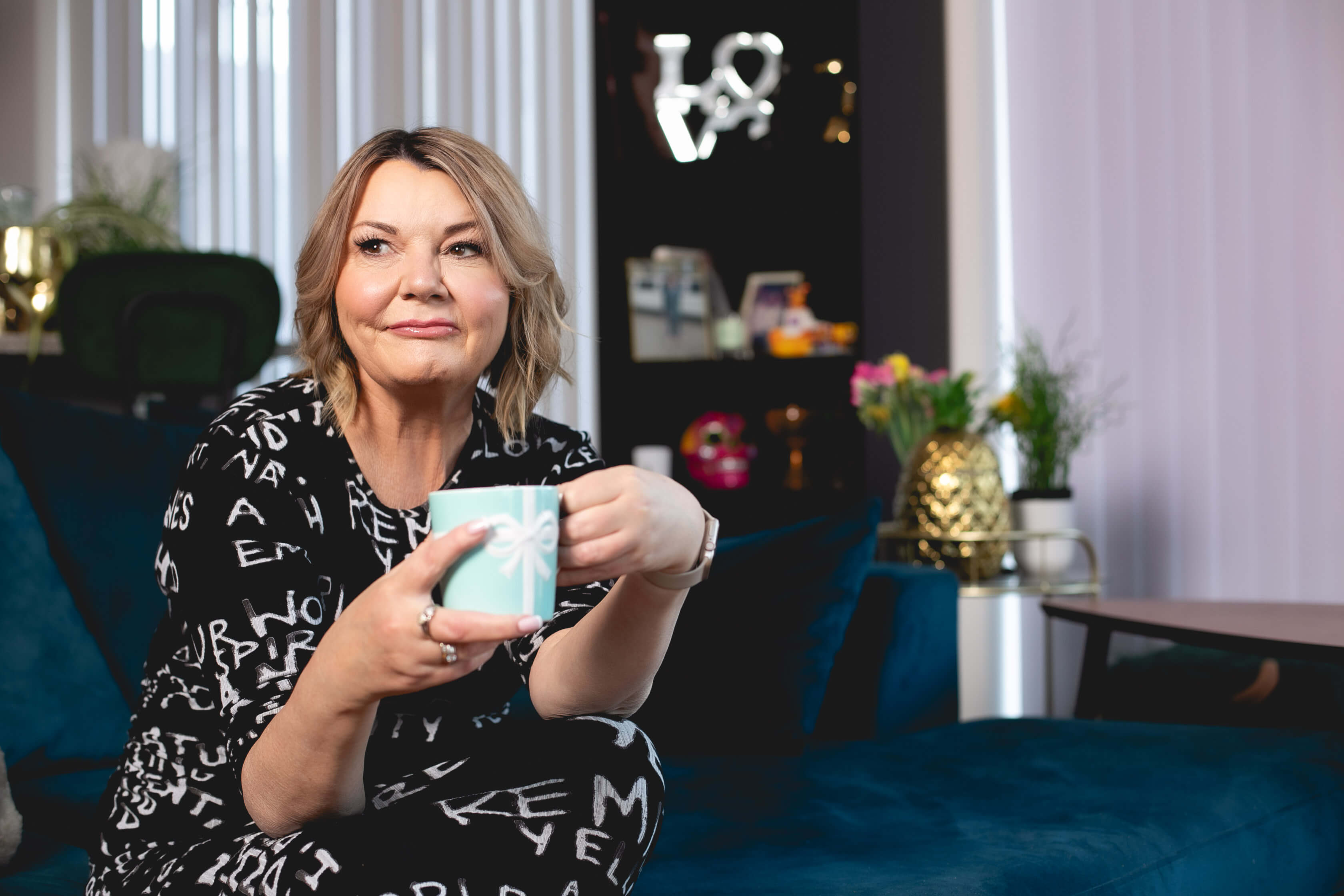
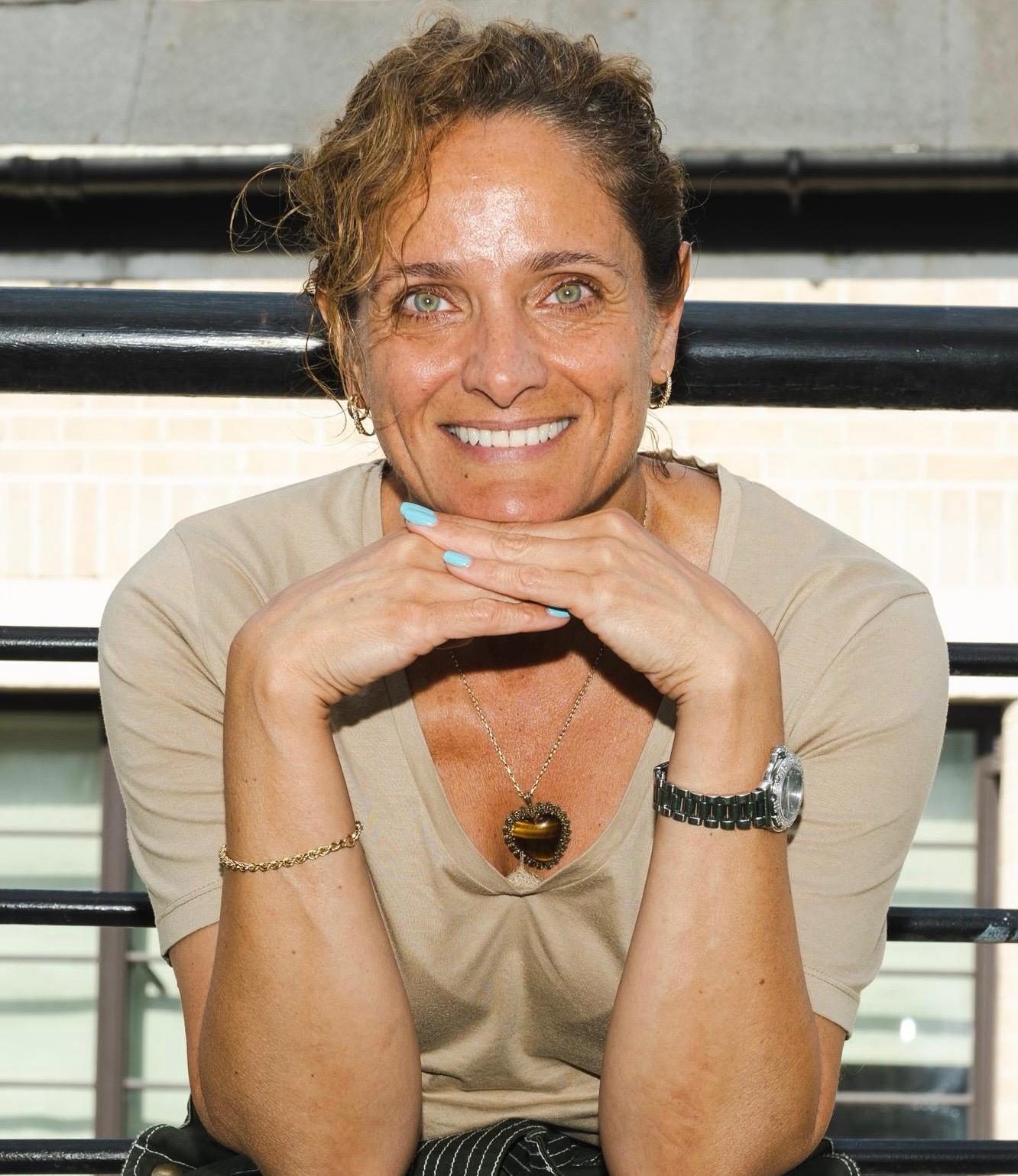
To cut through the noise, The Women’s Journal sat down with Michal Cohen-Sagi, a longevity architect and founder of Vidavii, who explains what biohacking really is and how women can apply it to ‘hack’ their own bodies in a way that supports long-term health.
What Is Biohacking?
Biohacking is often portrayed as something radical but Michal explains that it is far more grounded than people assume. She defines biohacking as “the intentional stimulation of biology to create a specific result,” adding that even everyday actions qualify. “Even something as simple as taking paracetamol to reduce pain could technically be considered biohacking – it influences a biological pathway,” she says. “At its core, biohacking isn’t extreme. It’s about being proactive and deliberate in how you influence your body’s systems.”
This definition of biohacking reframes it as intentional decision-making rather than experimentation. Instead of following generic wellness advice, biohacking encourages women to understand how their own bodies respond to sleep, stress, nutrition and movement, and to adjust those inputs deliberately.
One of the biggest misconceptions, Michal says, is “that biohacking is extreme, expensive, or not available for all.” In reality, she explains, “the most powerful interventions are often simple and accessible,” shifting the focus away from gadgets and towards everyday habits.
Biohacking in Wellness and Everyday Health
One of the reasons biohacking is so often misunderstood is because it is frequently grouped together with traditional wellness. Michal explains that while traditional wellness focuses on broadly healthy habits, biohacking is far more targeted. “Traditional wellness focuses on general healthy habits but biohacking is more targeted. It uses data, technology, or specific protocols to influence measurable biological responses. It’s less about trends and more about understanding cause and effect.”
For people searching what biohacking means in wellness or what biohacking health actually involves, this distinction is crucial. Biohacking does not replace wellness practices but instead, it refines them by applying personalisation and measurable feedback.
Michal says: “Biohacking is safe when it’s personalised. Where people go wrong is copying trends without checking whether an intervention suits their biology. Supplements, cold therapy, hormone optimisation. All can be powerful, but only when appropriate. Longevity isn’t one-size-fits-all.”
Biohacking, Longevity and Healthspan Explained
Biohacking is closely linked to longevity, but not in the sense of trying to live forever. Longevity, in this context, is about extending healthspan – the years spent feeling physically capable, mentally clear and resilient.
Michal explains that “true biohacking focuses on function such as metabolic health, recovery, inflammation, muscle mass and stress resilience.” When those systems are supported, she notes that “performance and appearance improve as a by-product, but the real goal is extending healthspan.”
This focus on function is what differentiates biohacking from anti-ageing culture and makes it particularly relevant for women seeking sustainable health strategies.
What Is Biological Age and Why It Matters
A core concept in biohacking is biological age. Chronological age reflects how many years you have lived, but biological age reflects how well your body’s systems are functioning. “Chronological age is how old you are. Biological age reflects how well your systems are functioning,” Michal explains.
She adds that markers such as fitness levels, metabolic health and immune age, including measures like GlycanAge, can reveal whether the body is ageing faster or slower than expected. Importantly, she points out that “many of these markers can improve with lifestyle changes.”
This adaptability is why biohacking focuses on feedback and adjustment rather than age-based assumptions.
Biohacking for Women
Searches for what is biohacking for women have risen sharply as more women question one-size-fits-all wellness advice. Female biology is dynamic, influenced by hormonal cycles and life stage. Michal says this makes personalisation essential. “Yes as women’s biology is dynamic and influenced by hormonal cycles and life stage,” she explains. “Personalisation is essential, particularly around perimenopause and menopause, where supervised hormone optimisation can be transformative for some women.”
Biohacking allows women to adapt strategies as their bodies change, rather than forcing consistency where it no longer serves them.
What Is Biohacking Your Body?
When people search ‘what is biohacking the body?’, they are often asking how everyday lifestyle choices affect physical systems such as metabolism, hormones, digestion and the nervous system.
Michal emphasises that effective biohacking always returns to function, focusing on “metabolic health, recovery, inflammation, muscle mass, stress resilience” rather than surface-level outcomes.
What a Biohacking Routine Actually Looks Like
Biohacking is often assumed to be intense or demanding, but Michal challenges this perception. “Consistency matters more than intensity,” she says, explaining that the most effective biohacking routines are built around repeatable habits rather than rigid protocols or extremes. It’s why many people searching what a biohacking routine actually looks like are really looking for sustainable daily practices that can fit into real life.
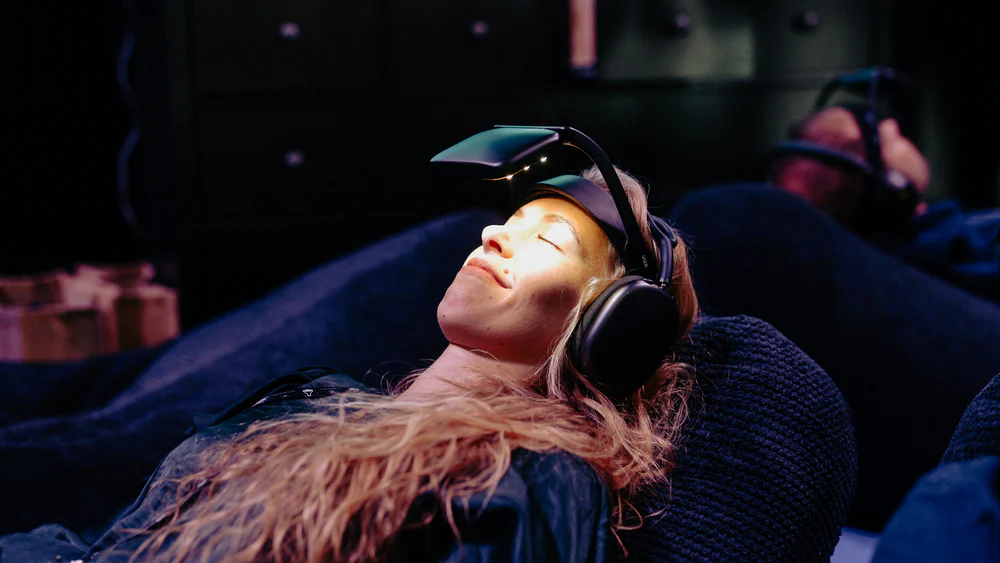
When it comes to practical application, Michal points to simple, science-backed tools such as “strength training, sleep optimisation, breathwork, cold exposure, infrared light, and nervous system regulation,” noting that these are most effective when applied consistently rather than aggressively.
Biohacking Diet and Weight Loss
Interest in what is biohacking diet and what is biohacking for weight loss reflects a shift away from restrictive approaches. From a biohacking perspective, diet is not about cutting calories, but about understanding how food affects blood sugar, hormones, digestion and energy.
Weight regulation, Michal explains, is shaped by factors such as sleep quality, stress levels, muscle mass and metabolic health, meaning changes often occur when women understand their own bodies and support these systems accordingly rather than forcing results.
Biohacking Technology
Biohacking technology plays a supporting role rather than a dominant one. Wearable devices, fitness trackers and health data can provide insight into sleep, recovery and stress, helping women make more informed decisions.
As Michal explains, biohacking uses “data, technology, or specific protocols to influence measurable biological responses,” but always in service of understanding cause and effect rather than chasing trends.
Biohacking in Beauty
As biohacking has moved into the mainstream, it has increasingly become part of conversations around beauty and ageing. Biohacking in beauty starts from within, rather than focusing solely on topical products or cosmetic fixes.
Michal explains that by supporting core systems such as metabolic health, stress resilience, recovery and inflammation, visible improvements in skin quality often follow naturally. In this way, biohacking in beauty is an extension of wellness, treating skin health as a reflection of internal balance rather than something to be corrected externally.
This approach reframes beauty as biological rather than cosmetic, reflecting a real shift towards science-backed beauty that places wellness and longevity at its core.
Why Longevity Matters
Michal does not describe herself as a biohacker. “I don’t see myself as a biohacker, I call myself a longevity architect,” she explains. “My focus is designing systems that combine science, technology and lifestyle to help people live longer, healthier, more energised lives.” For her, longevity is not about immortality. “Longevity isn’t about living forever, it’s about living well.”
Biohacking and the Future of Wellness
Biohacking may be a wellness trend, but it is one that is here to stay, rooted in science, data and self-awareness. As genetic testing, wearable technology and personalised health insights become increasingly mainstream, biohacking is less about chasing optimisation and more about understanding the body in real time – and responding to it in a way that is personal, informed and sustainable.
For women looking beyond quick fixes and surface-level solutions, biohacking offers something more enduring – a practical, empowering framework that aligns health, longevity and wellbeing with how the body actually changes over time, built on understanding, personalisation and consistency.
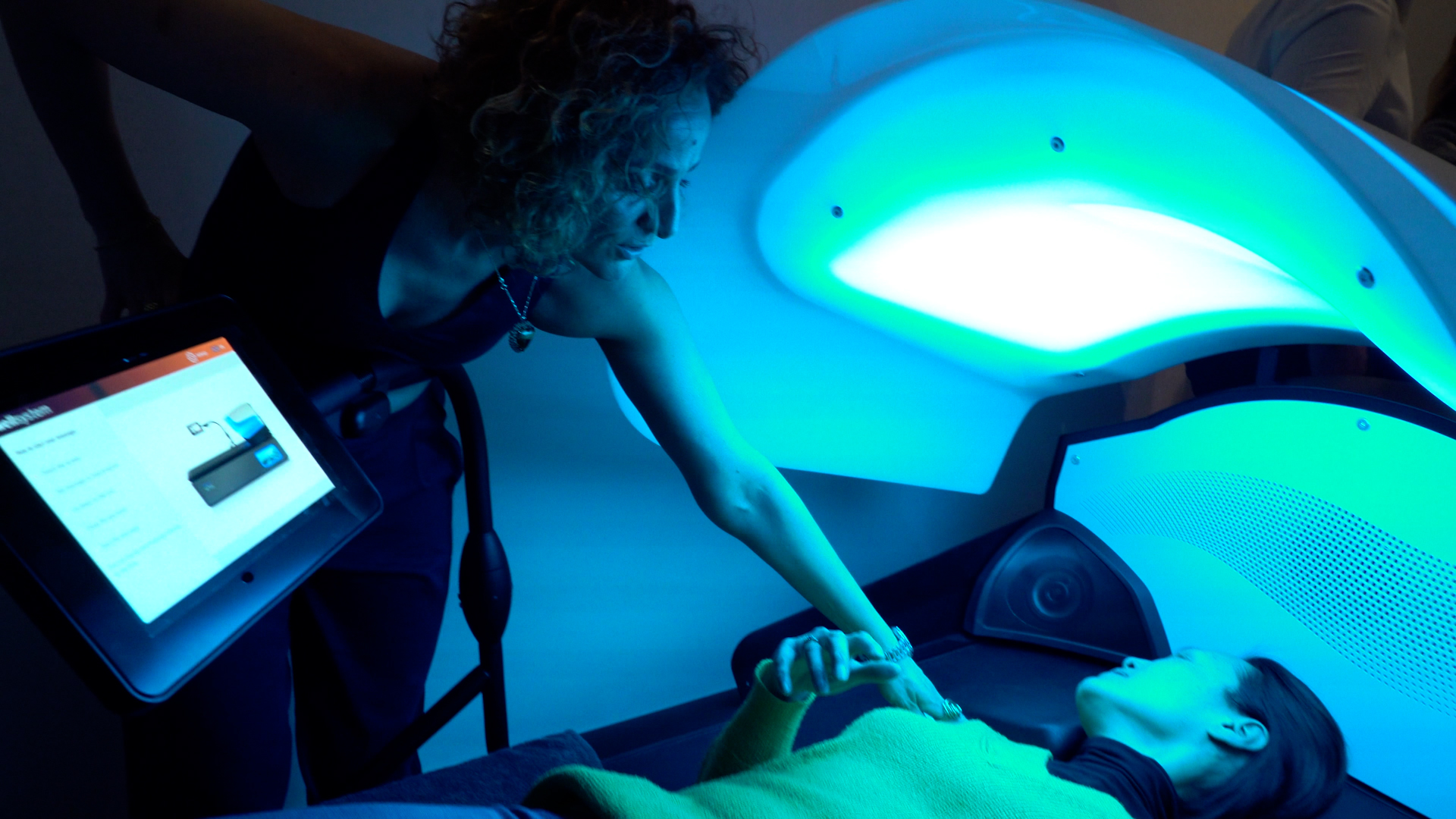
Michal applies these principles directly through her work at Vidavii Mayfair, a longevity and biohacking studio where guests move through a guided circuit of science-led wellness therapies. At Vidavii, she says, biohacking isn’t about chasing trends, but about designing intelligent biological inputs.
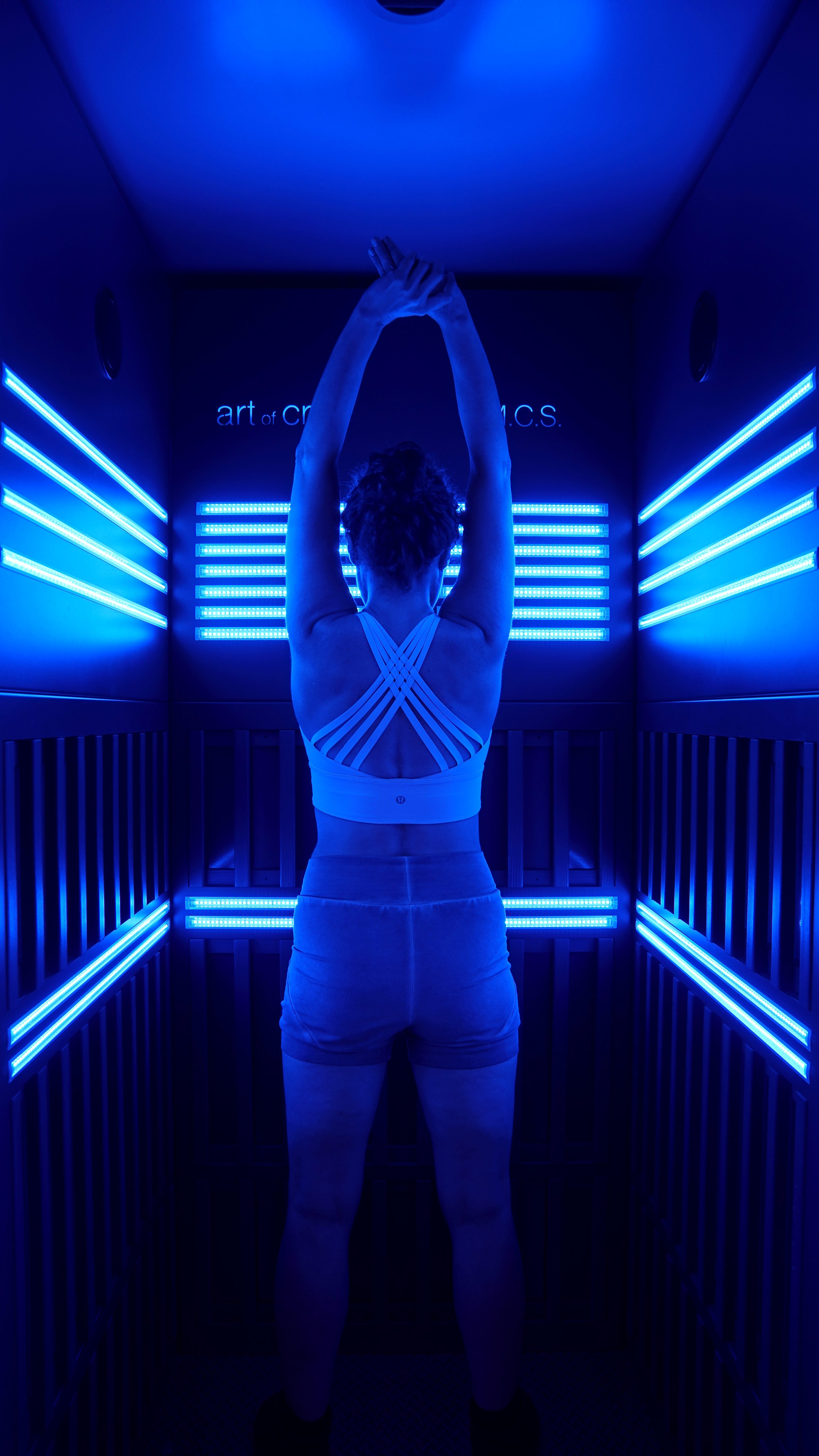
“The circuit applies controlled stressors – infrared heat, cold exposure, compression therapy and nervous system regulation – to activate pathways linked to mitochondrial efficiency, circulation, lymphatic flow, inflammation control and recovery. These are the same adaptive mechanisms that underpin strength training and metabolic resilience.
“I see it as architecture rather than hacking. You’re not forcing change, you’re creating the conditions in which the body can recalibrate, repair and perform at a higher baseline. That’s sustainable longevity.”
To learn more about how Vidavii translates longevity science into a real-world experience or to try its longevity-led biohacking circuit, visit Vidavii and book a session.