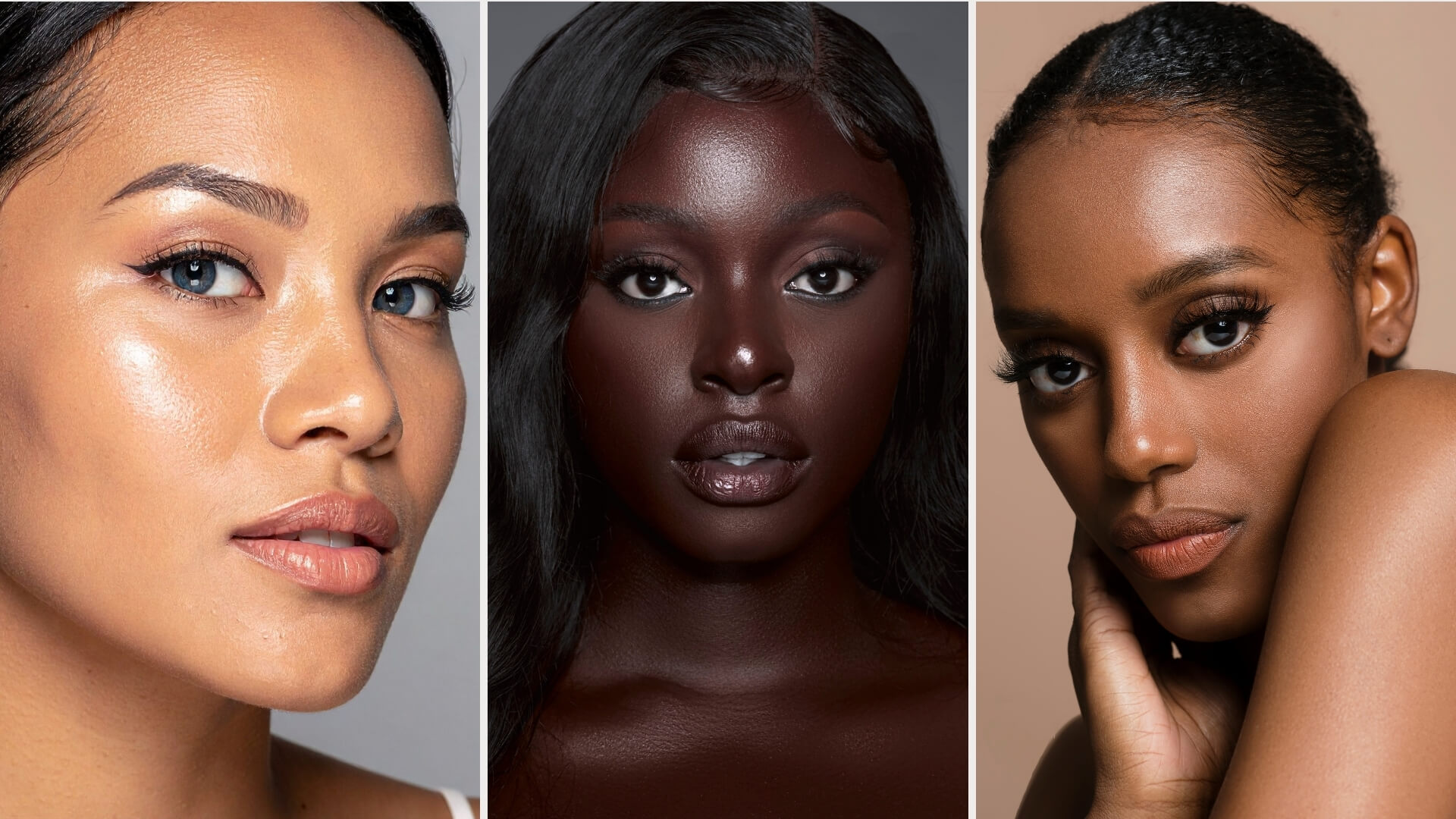

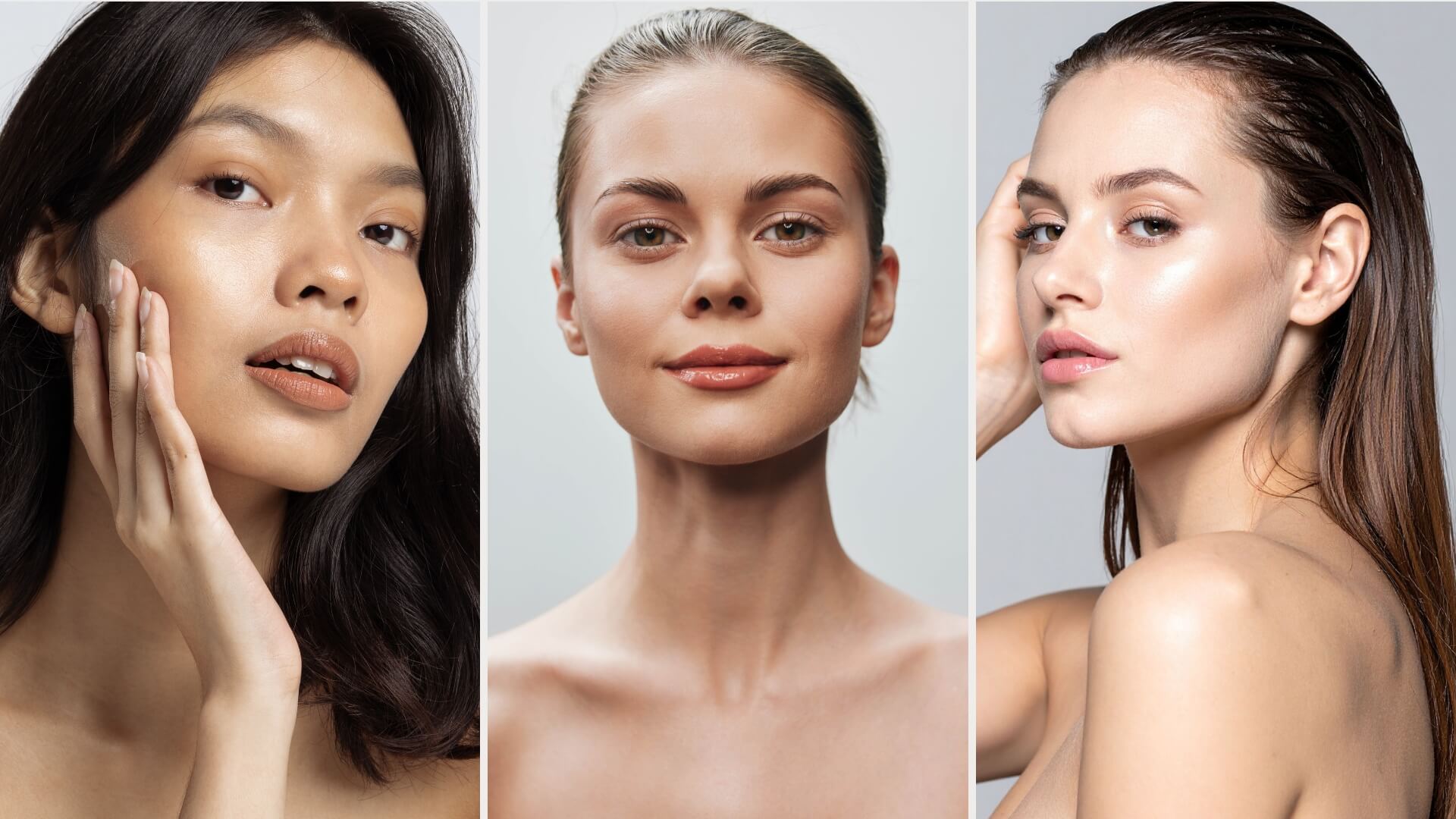
For many women, Botox has long been synonymous with the forehead – smooth the lines, soften the frown, even freeze the movement. But as aesthetic literacy has grown, so too has the understanding that the face does not age in isolated sections and must be considered as a whole. When looking at beauty and aesthetic trends, the focus is shifting decisively downwards towards the lower face, with greater emphasis on balance, muscle activity and how the face functions together, rather than treating individual areas in isolation. We’ve consulted the experts to give you the low-down on everything you need to know about lower face Botox and why it’s becoming an increasingly popular request in clinics.
What is Lower Face Botox?
Lower-face Botox refers to the use of botulinum toxin in the lower third of the face – an area shaped by some of the strongest and most active muscles in the body. These muscles are responsible not only for chewing and speaking, but also for smiling, emotional expression and how the face rests when it is not moving. While upper-face Botox is typically associated with softening fine lines and wrinkles caused by repeated expression, lower-face Botox often involves treating larger, more powerful muscles that influence jaw tension, mouth dynamics and overall facial proportion.
As we age, or when muscles are repeatedly overused through stress, clenching or habitual facial movement, the lower face can begin to look heavier or pulled downward. This can show up as jaw tension, facial widening, chin dimpling, downturned mouth corners or a smile that appears strained at rest. Lower-face Botox works by selectively relaxing specific muscles, reducing this downward pull and allowing the face to settle into a softer, more balanced expression.
According to Dr Ed Robinson, this shift reflects a more sophisticated approach to injectables. And while reputable doctors have long assessed facial anatomy as a whole rather than treating isolated areas, he notes that patients are now becoming far more informed and intentional in how they approach Botox. “Focusing solely on the upper face can sometimes exaggerate imbalance, particularly if the lower face remains tense or downward-pulling,” says Dr Ed. “Treating the muscles that influence the jaw, mouth and chin can subtly lift the overall expression and improve harmony across the face.”
Which Areas can be Treated With Lower Face Botox?
Lower-face Botox is rarely a one-area treatment. Instead, it involves a careful assessment of how different muscles interact, how they pull on the face at rest and how that movement changes with age, stress and habitual expression. This muscle-led approach is what distinguishes lower-face Botox from more traditional, upper-face anti-wrinkle treatments.
One of the most commonly treated areas in the lower face is the masseter muscle – a large, powerful muscle at the angle of the jaw responsible for chewing and clenching. When overworked (often due to stress or teeth grinding) it can lead to jaw pain, headaches and a wider, squarer lower face. Relaxing the masseter reduces muscle overactivity, easing tension and discomfort while gradually softening the jawline for a slimmer lower face.
Lower-face Botox also plays an important role in improving facial expression, particularly around the mouth. The depressor anguli oris (DAO) muscles sit at the corners of the mouth and are responsible for pulling them downward. When these muscles are overactive, they can create a permanently tired, sad or stern appearance, even when the face is relaxed. Carefully placed Botox can soften this downward pull, gently lifting the corners of the mouth and improving the overall resting expression while preserving natural movement.
This balance is especially important when patients have previously had Botox in the upper face only. When the forehead and frown lines are treated but the lower face remains tense and downward-pulling, it can create a visible disconnect between the two halves of the face. “If you smooth and quieten the upper face but leave strong depressor muscles untreated below, the lower face can dominate,” says Dr Ed. “The top half appears calm and static, while the mouth and jaw continue to pull downwards. Treating the lower face restores balance and cohesion, so the face looks naturally aligned rather than divided.”
The mentalis muscle in the chin is another frequent focus. This small but active muscle can cause dimpling, puckering or a tight appearance when speaking or smiling. Botox in this area helps smooth the chin and reduce tension, creating a calmer, more balanced lower-face profile that looks softer both at rest and in motion.
Dr Ed adds: “An overactive mentalis muscle is what creates that characteristic ‘orange peel’ texture on the chin. The muscle fibres repeatedly contract and bunch the skin, leading to visible dimpling. With precise placement, we can gently relax the mentalis to smooth that texture without flattening natural movement.”
Above the upper lip, Botox may be used in what is commonly referred to as a lip flip. Rather than adding volume like filler, this technique gently relaxes the muscle that pulls the lip inward. The result is a subtle outward roll of the upper lip, enhancing its shape and helping to soften fine lines around the mouth, while keeping the result natural and understated.
Lower-face Botox is also closely connected to the neck, particularly the platysma muscle, which extends from the neck into the lower face. As this muscle tightens with age, it can contribute to vertical neck bands, downward pull on the jawline and early jowling. Treating prominent platysmal bands can help support a more lifted lower-face appearance and improve jawline definition, reinforcing the importance of viewing the face and neck as a single, connected structure.
According to Dr Christine Hall, lower-face Botox is one of the most technically complex areas of injectable treatment, largely because of how closely it intersects with function as well as aesthetics. While Botox is widely used in cosmetic practice, she notes that treatments involving the masseter are treated differently within the industry, as this muscle plays a direct role in chewing and jaw mechanics.
She explains that this is why masseter Botox is widely regarded as a medical treatment rather than a purely cosmetic one, and why it needs to be administered by doctors or medically trained practitioners with advanced anatomical knowledge. Incorrect placement or over-treatment in the lower face can affect speaking, smiling or bite strength, making experience and restraint essential.
Dr Christine explains: “While the laws are changing regarding who can administer general cosmetic injectables, treatments involving the masseter – much like Botox for underarm sweating – have always been fundamentally medical because they treat distinct medical conditions like severe teeth grinding and hyperhidrosis.
“Although people are now highly seeking out masseter Botox for its aesthetic jaw-slimming effect, it was always a medical procedure at its core. The masseter muscle plays a direct role in chewing and jaw mechanics, which is why it is widely regarded as a medical treatment rather than a purely cosmetic one.”
She adds: “This is exactly why it needs to be administered by doctors or medically trained practitioners with advanced anatomical knowledge as incorrect placement or over-treatment in the lower face can severely affect speaking, smiling, or bite strength, making experience and restraint absolutely essential.”
Lower-face Botox is rarely about targeting a single concern. It is a whole-face, muscle-led approach, designed to rebalance movement across the jaw, mouth, chin and neck. When performed with expertise, it can reduce tension, improve how the face rests and moves, and create subtle lift – results that feel as natural as they look.
This nuanced, functional approach is precisely why lower-face Botox has become such a growing focus within modern aesthetics, marking a clear shift away from isolated treatments and towards treating the face as a connected whole.
Masseter Botox: Functional Relief and Facial Slimming
Masseter Botox sits at the heart of the lower-face Botox conversation. Originally used to treat jaw clenching, teeth grinding (bruxism) and TMJ-related discomfort (pain and dysfunction affecting the temporomandibular joint, which connects the jaw to the skull), it has become increasingly popular for its aesthetic benefits as well as its therapeutic effects.
By reducing the strength of the masseter muscle – one of the most powerful muscles involved in chewing – Botox can significantly ease clenching, jaw tension and associated headaches. With repeated treatments, the muscle gradually reduces in size (a process known as muscle atrophy), often resulting in a softer, more tapered jawline and visible lower-face slimming.
Dr Amar Chadha of Falcon Medical Aesthetics Clinic explains that this dual benefit is central to its appeal.
“The masseter muscle is incredibly strong, and when it becomes overactive – often due to stress, bruxism or TMJ dysfunction – it can lead to chronic jaw pain, tension headaches, tooth wear and changes in facial shape. Botox works by carefully reducing the intensity of contraction in that muscle. We’re not stopping normal chewing function, we’re gently reducing the muscle’s overactivity so it can function in a more balanced way.”
Treating the muscle itself rather than masking symptoms, often leads to improved comfort alongside subtle facial refinement, even for patients who initially sought treatment for functional reasons.
Dr Amar adds: “What many patients appreciate is that by treating the root cause – the overactivity of the muscle itself – we relieve discomfort while also softening the lower face. Over time, as the muscle reduces in bulk, the jawline can appear slimmer and more contoured. It’s a functional treatment with aesthetic benefits, which is why it has become so popular.”
Can Lower-Face Botox Help with Jaw Clenching?
For many patients, yes. Masseter Botox is widely used for those who clench or grind their teeth, particularly at night. Most people notice a reduction in jaw tension within two to four weeks, with continued improvement as the muscle relaxes.
Unlike mouth guards, which protect the teeth but do not stop clenching, Botox targets the muscle responsible. Results typically last between three and six months, although longevity can increase with repeat treatments as muscle activity reduces over time.
Dr Amar explains: “When we use Botox to treat jaw clenching or bruxism, we are specifically targeting the masseter muscle, which is responsible for generating the force behind chewing and grinding. In patients who clench chronically – often unconsciously or during sleep – this muscle becomes hypertrophic and overactive, placing excessive pressure on the teeth, the temporomandibular joint and surrounding structures.
“Botulinum toxin works by temporarily blocking the nerve signals that stimulate muscle contraction. By reducing the intensity of contraction in the masseter, we lower the overall bite force. Importantly, this is a controlled weakening administered by a qualified medical professional with detailed anatomical knowledge so patients are still able to chew and speak normally, but the destructive, repetitive clenching force is reduced.
“Clinically, we often see a reduction in jaw pain, fewer tension-type headaches, less dental wear and improved symptoms of TMJ dysfunction. Many patients also report better sleep quality because they are no longer clenching throughout the night. Precise dosing and anatomical placement are critical to ensure we relieve overactivity while preserving normal function.
“We typically book patients in for a follow-up appointment at around two to four weeks to assess muscle response, facial symmetry and overall functional balance. This review allows us to make any necessary refinements and ensures the treatment remains both effective and safe over time.”
How Long Does Lower Face Botox Last?
When considering lower face Botox, one of the most common questions patients ask is how long the results will last. On average, lower-face Botox lasts between three and four months. However, this timeline varies depending on the specific muscle treated, the dosage used, your individual metabolism and, importantly, how strong or overactive the muscle was prior to treatment.
Smaller but highly expressive muscles around the mouth – such as the depressor anguli oris (DAO) and the mentalis – typically follow the standard three-to-four-month Botox cycle. These muscles are used frequently in speech and facial movement, which can influence how quickly the product is metabolised.
Masseter Botox, by contrast, can sometimes last longer – up to six months for some patients – particularly after repeat treatments. This is because the masseter muscle may gradually reduce in bulk and activity over time, meaning the effects can become more sustained with consistent maintenance.
Regardless of the area treated, lower face Botox does not deliver instant results. Early changes may be noticeable within a few days, but full results are typically visible at around two weeks, with continued refinement over the following month as muscle tension fully relaxes and facial balance improves.
Lower Face Botox Before and After: What to Expect
If you are researching lower face Botox before and after results, you will quickly notice that the most successful outcomes are subtle rather than dramatic. This treatment is designed to rebalance muscle activity and soften downward pull – not to immobilise the lower face.
Lower face Botox works by restoring proportion and reducing excessive tension, which means the transformation often feels natural and refined rather than obvious. The aim is for others to notice that you look more relaxed or refreshed, without being able to pinpoint why.
Depending on your personalised treatment plan, results may include a visibly slimmer, more contoured jawline following masseter Botox, particularly if jaw widening was caused by chronic clenching. Treatment of the mentalis muscle can smooth chin dimpling and creati a softer, less strained appearance. Relaxing the DAO muscles may provide a subtle lift at the corners of the mouth, reducing a downturned or fatigued resting expression. When platysmal bands in the neck are treated, jawline definition can improve and the lower face may appear more supported and lifted.
Importantly, the overall effect should be that the lower face looks more relaxed and balanced at rest, without ever appearing frozen or over-treated.
Lower Face Botox Side Effects and Risks
As with all injectable treatments, there are potential lower face Botox side effects and risks to consider. The most common side effects are mild and temporary, including slight swelling, bruising, redness or tenderness at the injection site and these typically resolve within a few days.
However, the lower face is a highly complex anatomical area because it directly controls how we speak, chew and express emotion. Over-treatment of the masseter can lead to temporary chewing fatigue, while inaccurate placement around the mouth may affect smile dynamics or cause temporary asymmetry. Because the lower third of the face is so functional, anatomical precision is essential. Incorrect placement or excessive dosing can impact bite strength, facial symmetry or natural movement.
For this reason, choosing a reputable and experienced GMC-registered doctor is crucial. A thorough consultation, conservative technique and a structured follow-up review are all hallmarks of responsible medical practice. When lower face Botox is administered by a skilled doctor with advanced understanding of facial anatomy, complications are rare and results remain balanced, natural and functionally sound.