
For many working mothers, modern life often feels like a constant balancing act between careers, childcare, ambition and simply finding enough hours in the day. As childcare costs continue to rise and flexible working remains inconsistent across many industries, increasing numbers of women are turning to entrepreneurship in search of a way of working that better fits the realities of family life.
According to Capital on Tap’s Entrepreneurial Motherhood Index, 1.8 million women now run incorporated or self-employed businesses across the UK, highlighting a growing shift towards flexible entrepreneurship for mothers.
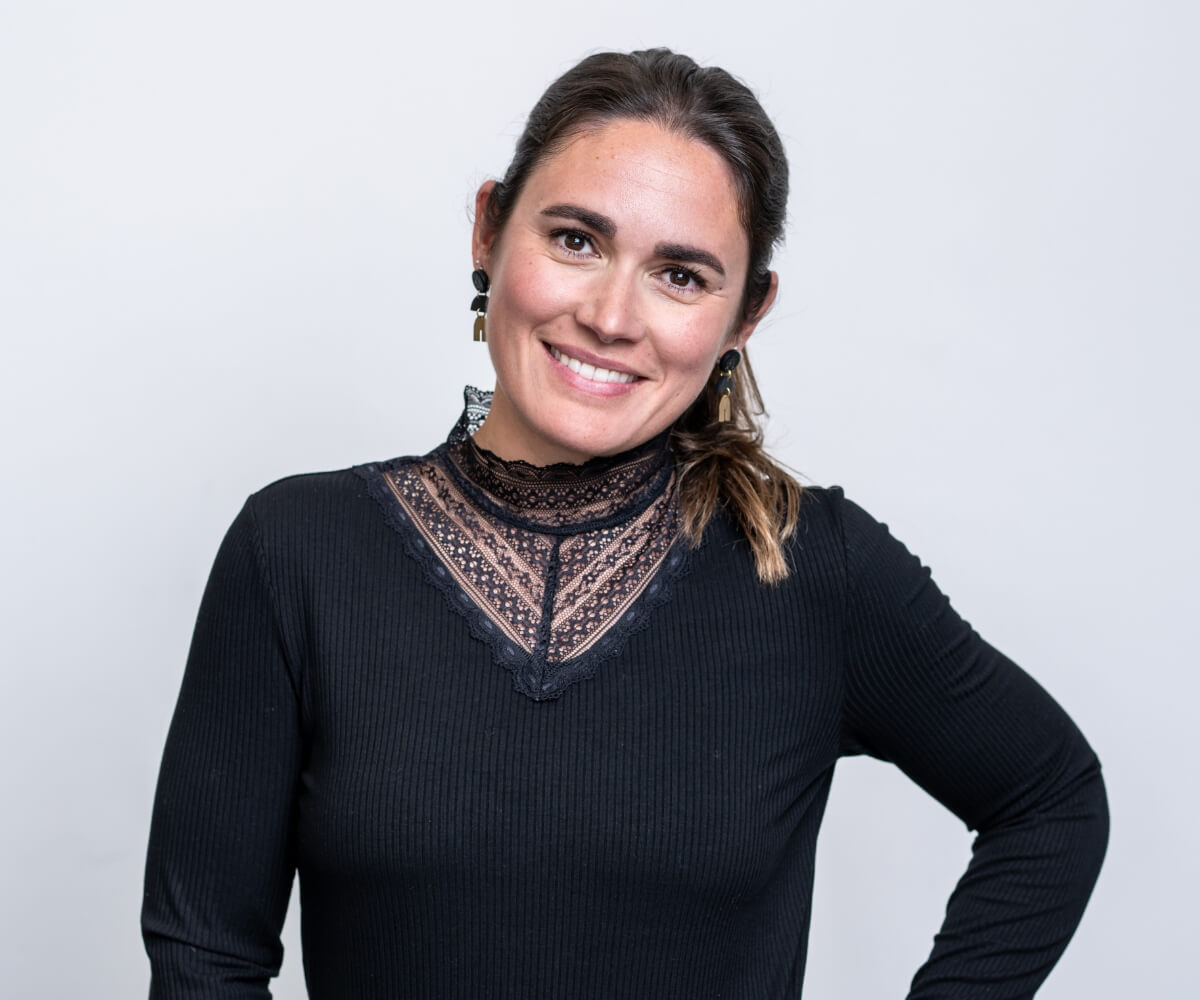
One of those women is Lisa Shepherd, Co-Founder of Leeds-based gifting company The Biskery, who transformed what started as a side hustle into a six-figure business built intentionally around motherhood, flexibility and sustainable growth.
Speaking exclusively to The Women’s Journal, Lisa opened up about returning from maternity leave, workplace discrimination against mothers, the realities of building a business while raising children and why she believes traditional workplaces are still failing working women.
From Side Hustle to Six-Figure Business
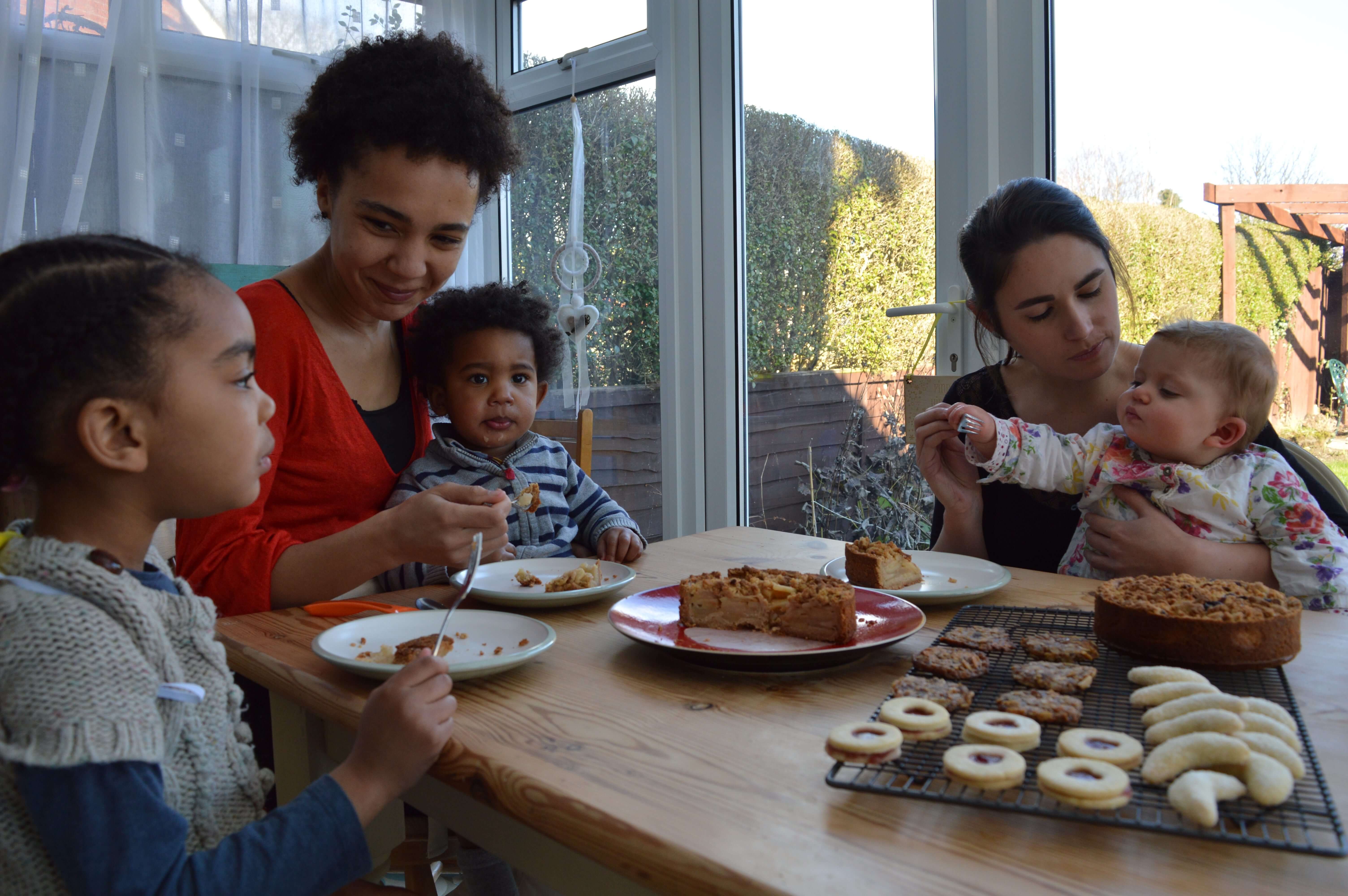
Founded in 2016, The Biskery began as a small market stall run by two mothers juggling careers, children and baking from home. Today, the company has become an award-winning gifting business known for its personalised biscuits for special occasions, corporate gifting and events.
“We make award-winning bespoke biscuits for special occasions and events but the real product is kindness,” Lisa tells us. “We are on a mission to make 10 million people feel appreciated by spreading kindness in biscuit form.”
The business itself was built around simplifying gifting while still making it feel meaningful and personal. “The problem we solve is simplifying gifting. Everyone loves a biscuit. We personalise them, so they carry your message. A quality, ethically made, delicious, meaningful gift that will be remembered long after it has been eaten.”
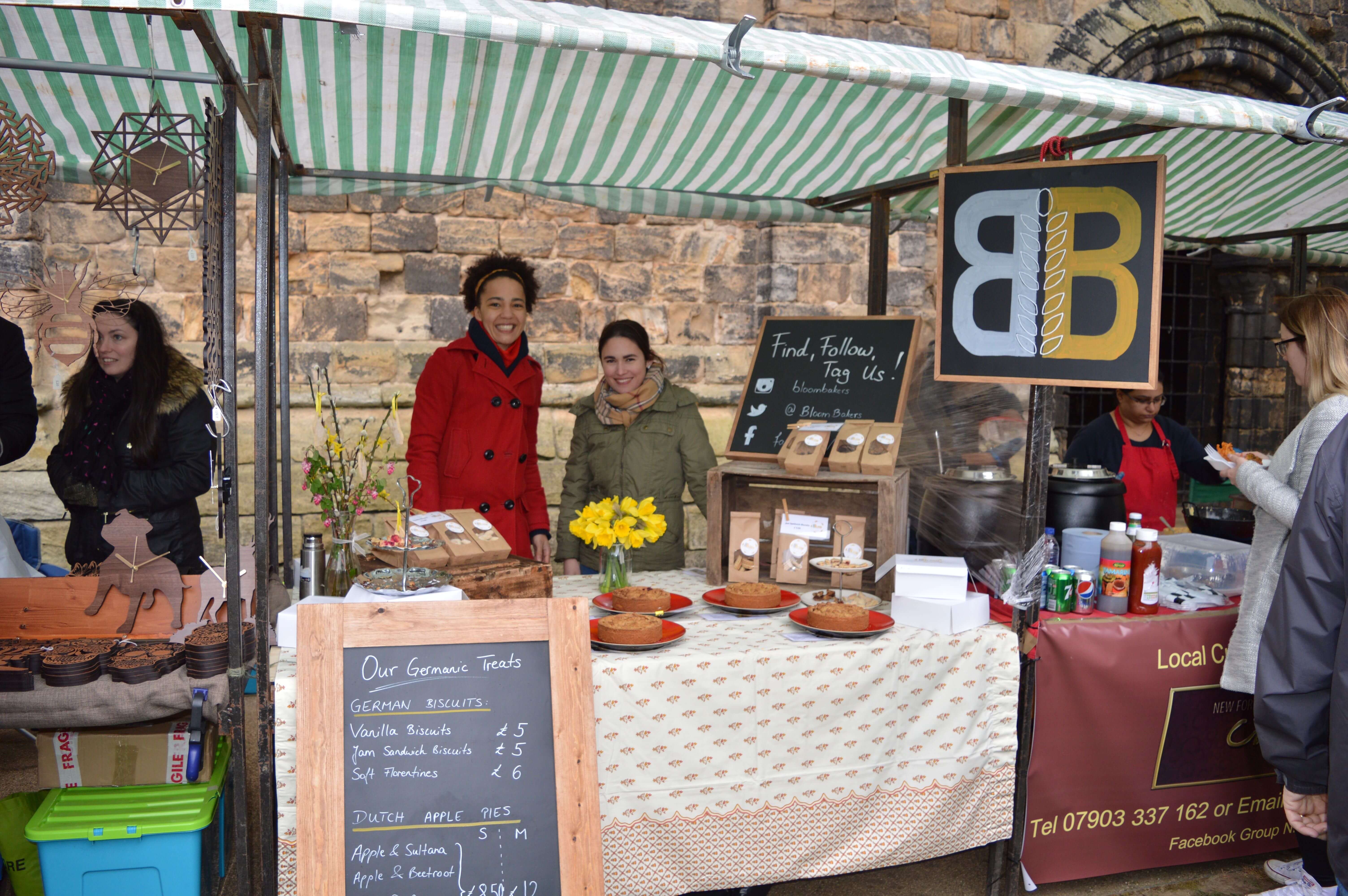
For years, the business remained what Lisa describes as a ‘glorified hobby’ “We reached six figures just after the pandemic. Up until that point, we were two mums baking from home, whilst juggling our day jobs and two kids each.”
The turning point came unexpectedly when their ‘Kindness Biscuits’ campaign led to a huge increase in demand during the pandemic. “We started as a little market stall in 2016 and had this glorified hobby until our ‘Kindness Biscuits’ led to a 400% increase in sales. We were juggling too much, and the pandemic reminded us of how fragile this wild and wonderful life is.”
Faced with growing demand and shifting priorities, the pair made the decision to fully commit to the business. “We decided to take a leap of faith and left our day jobs. We had saved up enough money to buy us six months of paying ourselves, renting a small commercial kitchen and hiring a small team. Within six months, we were a six-figure business and have grown year on year since.”
How Motherhood Changed Her Ambition
Lisa says becoming a mother actually made her more ambitious than ever before. “When I became a mum, my world changed. I wanted to make my life count and not have any regrets.”
At the same time, motherhood fundamentally changed what she wanted her life to look like. “I knew spending quality time with my kids and being present for them was very important for me. My day job could not give me that. I needed more flexibility.”
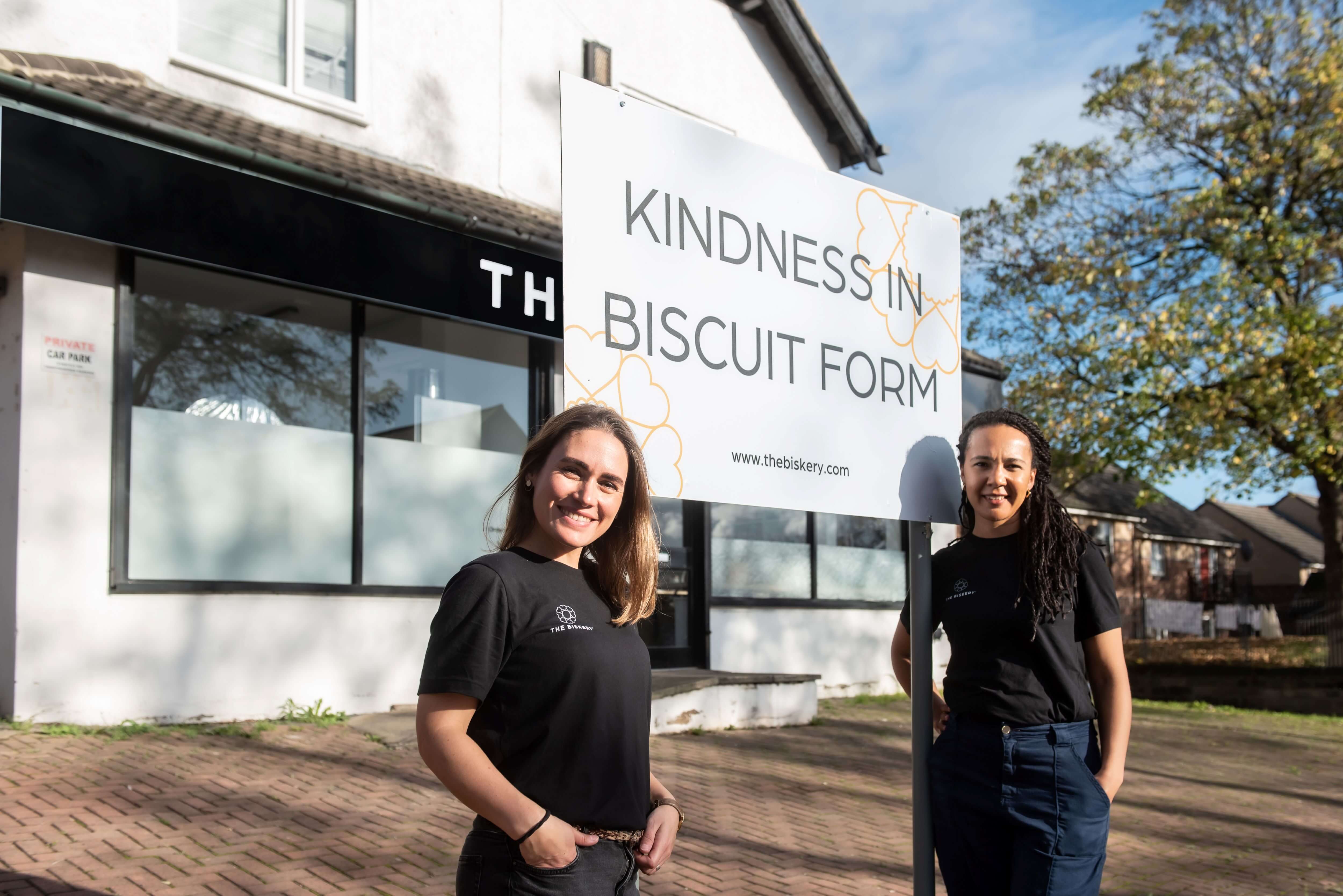
Rather than trying to fit motherhood around traditional work structures, Lisa and her co-founder Saskia Roskam intentionally built a business around family life itself. “Motherhood made me more ambitious, gave me a bigger drive, the ultimate ‘why’, but the set-up with strict office hours and expensive childcare did not work for me. My co-founder and I wanted to build something that was different to solve those very common problems for us and our families.”
Returning From Maternity Leave
One of the defining moments in Lisa’s career came after returning from maternity leave – an experience she says completely changed how she viewed corporate culture and ultimately pushed her further into entrepreneurship.
“When I returned from maternity leave, my senior title was taken away from me on the basis that I could no longer be client facing because of my request to work part-time.”
At the time, flexible working was far less accepted than it is today. “This was before the pandemic, so the world was a bit of a different place, but the lack of flexibility and shortsightedness frustrated me.”
The emotional impact of that experience stayed with her long after returning to work. “I had so much to give, yet my wings were clipped and it felt like I was put in my place.”
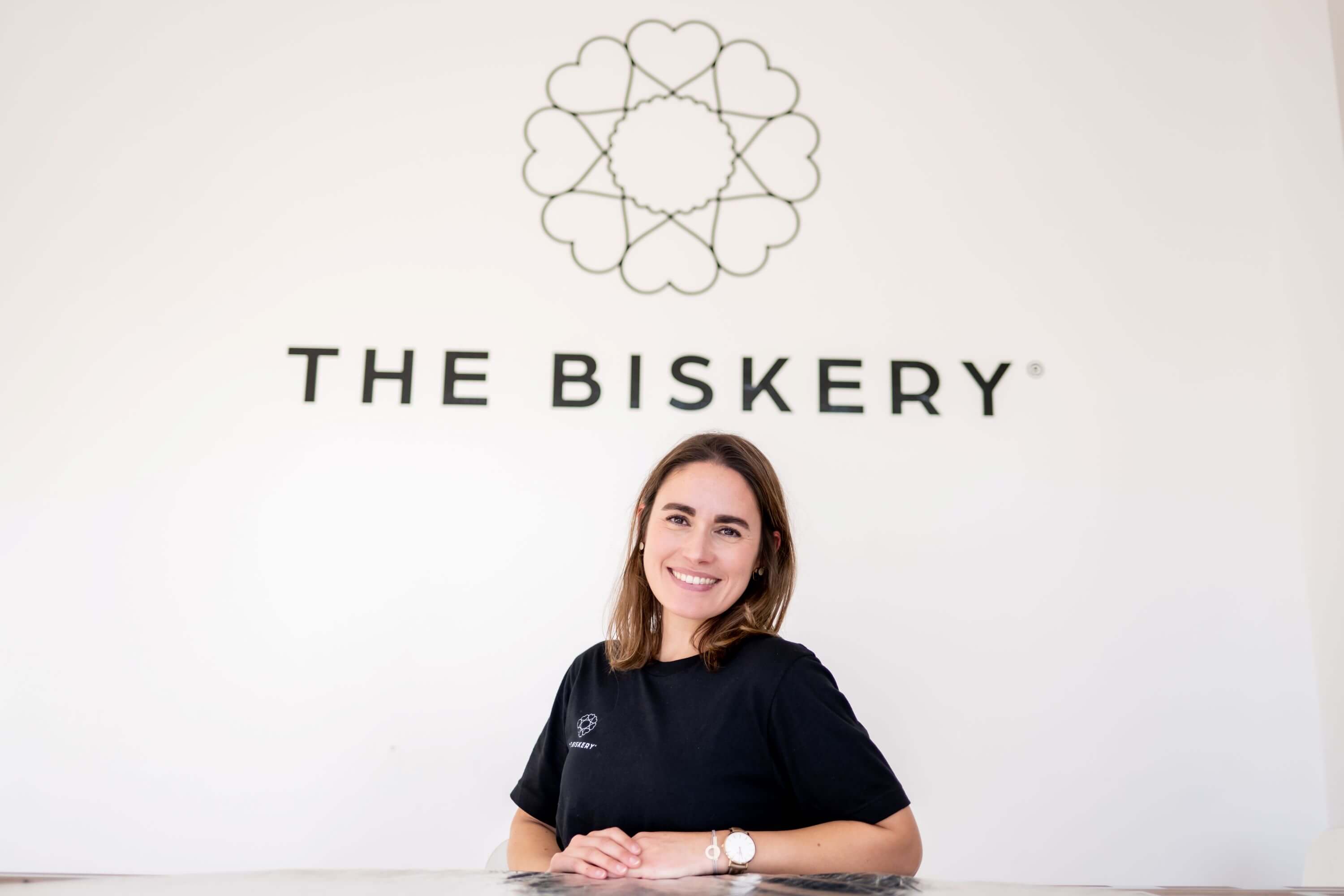
Although The Biskery already existed, Lisa says the experience accelerated her decision to fully pursue entrepreneurship. “My experience of feeling overlooked at work after returning from maternity leave pushed me into entrepreneurship. I wanted to extend my vision to others, not just do it for myself.”
‘I’d Had a Child, Not a Lobotomy’
Lisa says much of her frustration stemmed from the way working mothers are still perceived in professional environments. “I was angry at the system that is failing working mums, and I was angry at my employer for their lack of understanding and flexibility. I’d had a child, not a lobotomy.”
For Lisa, becoming a mother never diminished her creativity, ambition or capability. “My creativity, drive and experience was still there, but I was not invited to contribute in the same way anymore.”
She also believes the wider childcare system continues to create enormous barriers for women across both traditional careers and entrepreneurship. “Childcare in the UK is among the most expensive in Europe. I have no family support in the UK, so most of my salary went towards not seeing my child.”
The situation, she says, simply ‘makes no sense’. “A short-term expense, yes, but in the longer term women will contribute positively to the economy, as many reports have shown.”
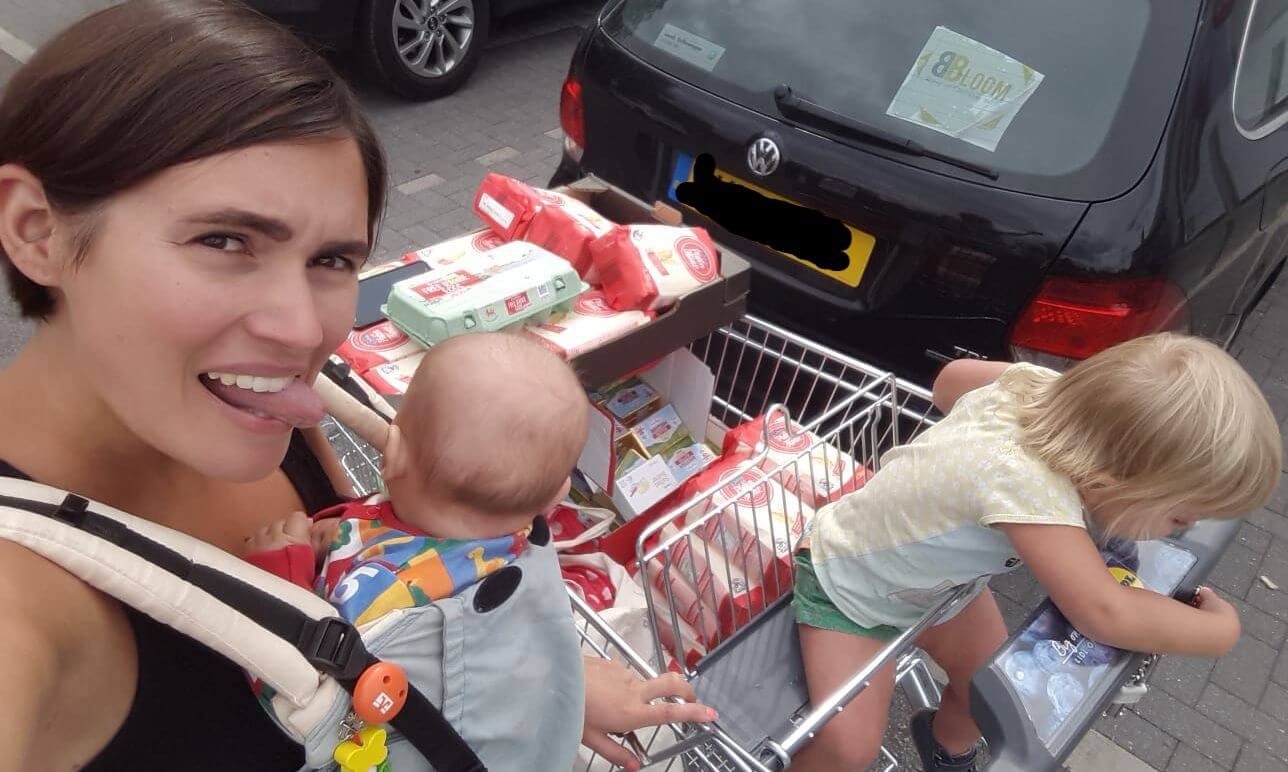
Building a Business Around School Hours
Unlike many startup founders encouraged to embrace hustle culture and constant availability, Lisa intentionally structured her business around family life rather than the other way around.
Today, her working week revolves around school hours. “I work school hours Monday to Thursday, Friday is my (life) admin day. My husband usually drops our kids at school, so my working day starts by 9am.”
By mid-afternoon, work stops. “I finish just after 3pm to pick my kids up from school. I lock my phone away and put on my out of office email so I can be present for my kids and manage clients’ expectations.”
That does not mean the balance is always easy. “When the kids are at swimming, gymnastics etc. I snack on work, and if we get busy I log on in the evenings. But I try to be disciplined and not work weekends, which I am getting better at.”
As the company has grown, however, Lisa says she intentionally built systems that reduced dependence on herself. “I tried to make myself redundant as soon as I could. I worked on outsourcing and delegating jobs that required my presence outside of school hours.”
Why Flexible Working Is Still Misunderstood
Today, The Biskery employs a team made up largely of women and mothers – something Lisa says happened naturally because of the company’s ethos. “Our team value that we have lived experience of their challenges, and can relate to them. They feel seen and understood.”
She also believes working mothers are often among the strongest employees businesses can hire. “We also know that working mums are hard working, proactive, and excellent problem solvers.”
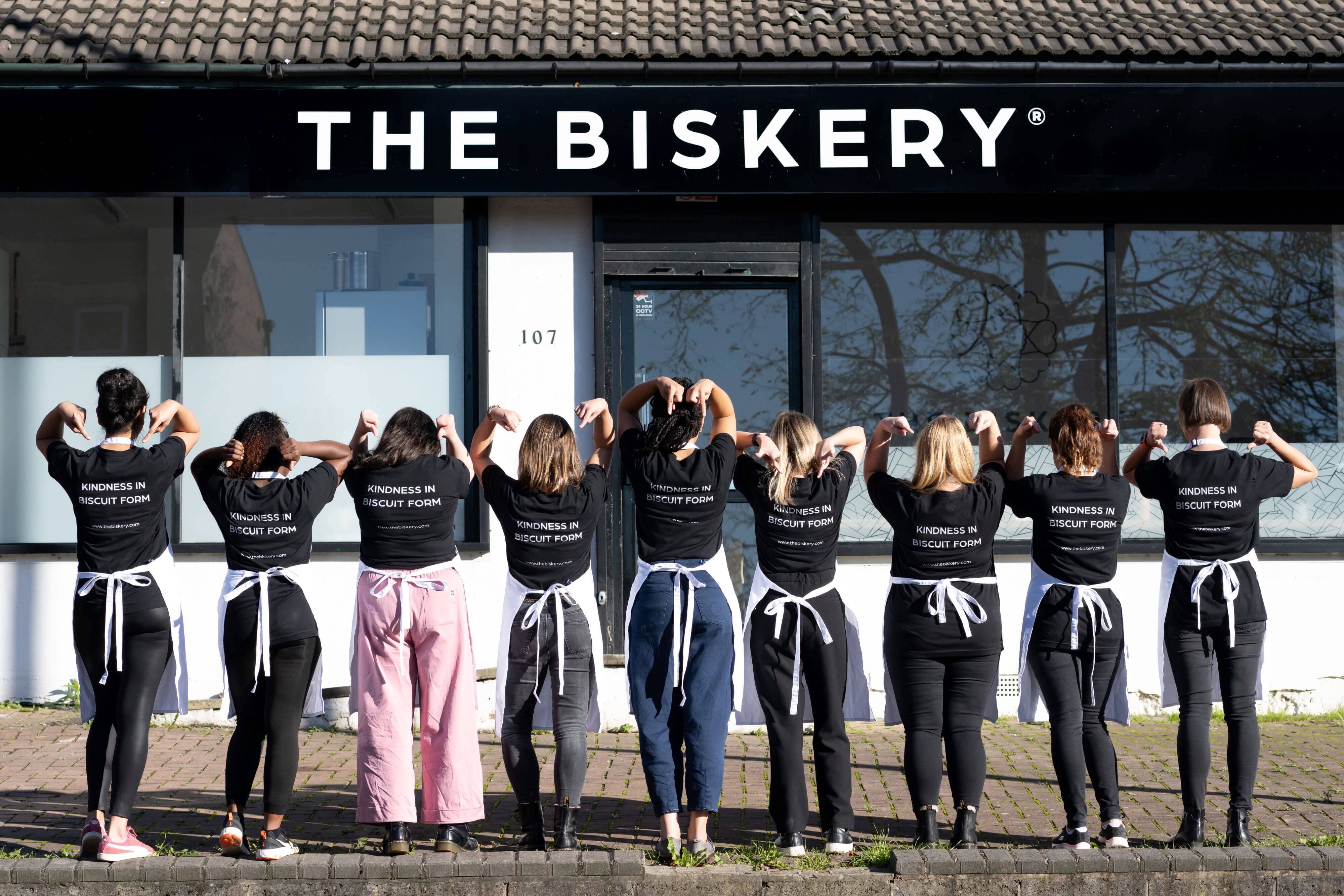
Yet despite years of conversations around hybrid working and flexibility, Lisa says many traditional workplaces still fundamentally misunderstand mothers. “Traditional workplaces see ‘part-time’ or ‘flexible’ as a red flag. The truth is that only because someone is in the office from 9am – 5pm, it doesn’t mean that they are productive from 9am – 5pm.”
In her experience, flexibility often creates stronger commitment rather than less. “Our team move mountains during their shorter days, and the fact that they get the flexibility they need makes them super committed to the company. Having children should not be seen as an obstacle to being a fantastic asset to a company. It’s quite the opposite.”
“The biscuits are great – they really are – but giving working mothers a chance and inspiring others to trailblaze their own paths is what really gets me out of bed in the morning.”
Why She Refused to Chase Endless Growth
In startup culture, rapid scaling is often treated as the ultimate marker of success. But Lisa says she consciously rejected that mindset from the beginning. “We have turned down opportunities and opted for slow sustainable growth over growing a ‘beast’ that would run us. It’s all about priorities and discipline.”
Protecting her wellbeing and family life has repeatedly meant saying no to opportunities that could have accelerated growth. “Absolutely. All the time. I don’t think you can chase perpetual growth and protect your wellbeing. It’s like walking a tightrope.”
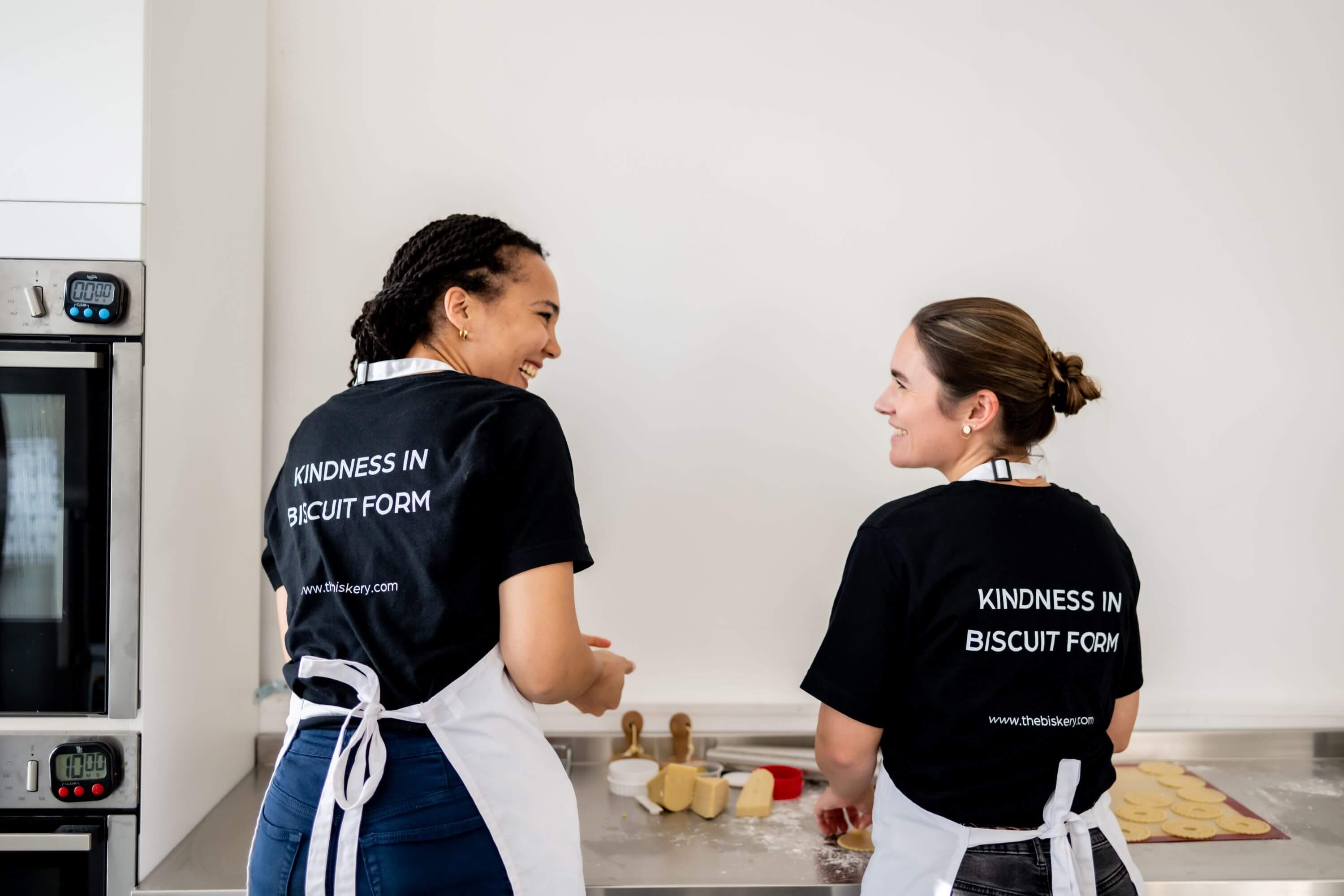
For Lisa, success is no longer measured purely by revenue. “Success for me was always when I lived in alignment with my own values and needs. Chasing a number would feel fake to me.”
Instead, her focus remains on creating a life she genuinely enjoys. “I want to enjoy the ride, bring joy to people, spend quality time with my kids and be able to look myself in the mirror.”
The Biggest Myth About Building a Six-Figure Business
As conversations around entrepreneurship increasingly focus on revenue milestones, Lisa says the phrase ‘six-figure business’ can often be misleading. “Having a ‘six-figure business’ means absolutely nothing. You could make £500,000 and have expenses of £700,000.”
For her, sustainability matters far more than headline numbers. “What matters is whether you are profitable and have no cashflow issues. I’d recommend working with an accountant and tools like Xero from the start. Numbers don’t lie.”
Why Childcare Still Holds Women Back in Business
Lisa believes childcare costs and workplace inflexibility remain among the single biggest barriers facing women professionally and the issue is beginning to shape wider societal decisions around motherhood itself.
“They are the main barrier for women to start or run businesses or have traditional careers men have. It’s also a reason why more and more ambitious young women choose not to have children, which is a problem for our society. But I don’t blame them.”
When asked what changes would most support entrepreneurial mothers in the UK, her answer is immediate. “Subsidised, more affordable childcare, as well as a mindset change removing the stigma around part-time or flexible work. Working less hours does not mean we care less. It just means we have other commitments, which will ultimately benefit society if I raise my children well.”
Redefining Success for Working Mothers
For Lisa, motherhood and entrepreneurship were never opposing forces. In many ways, becoming a mother became the reason she built a business differently in the first place. “I think comparing my life or business to other people’s highlight reel wasn’t helpful. I have learned that nobody has figured it out.”
That perspective now shapes both her business and her life. “Ultimately, we need to figure out what our non-negotiables are and then build our life around those. For me it was to be present for my children.”
And perhaps that is exactly why stories like Lisa’s resonate so strongly right now. Increasingly, women are no longer defining success solely by growth, status or endless productivity, but by whether the businesses they build still leave room for the lives they actually want to live.