
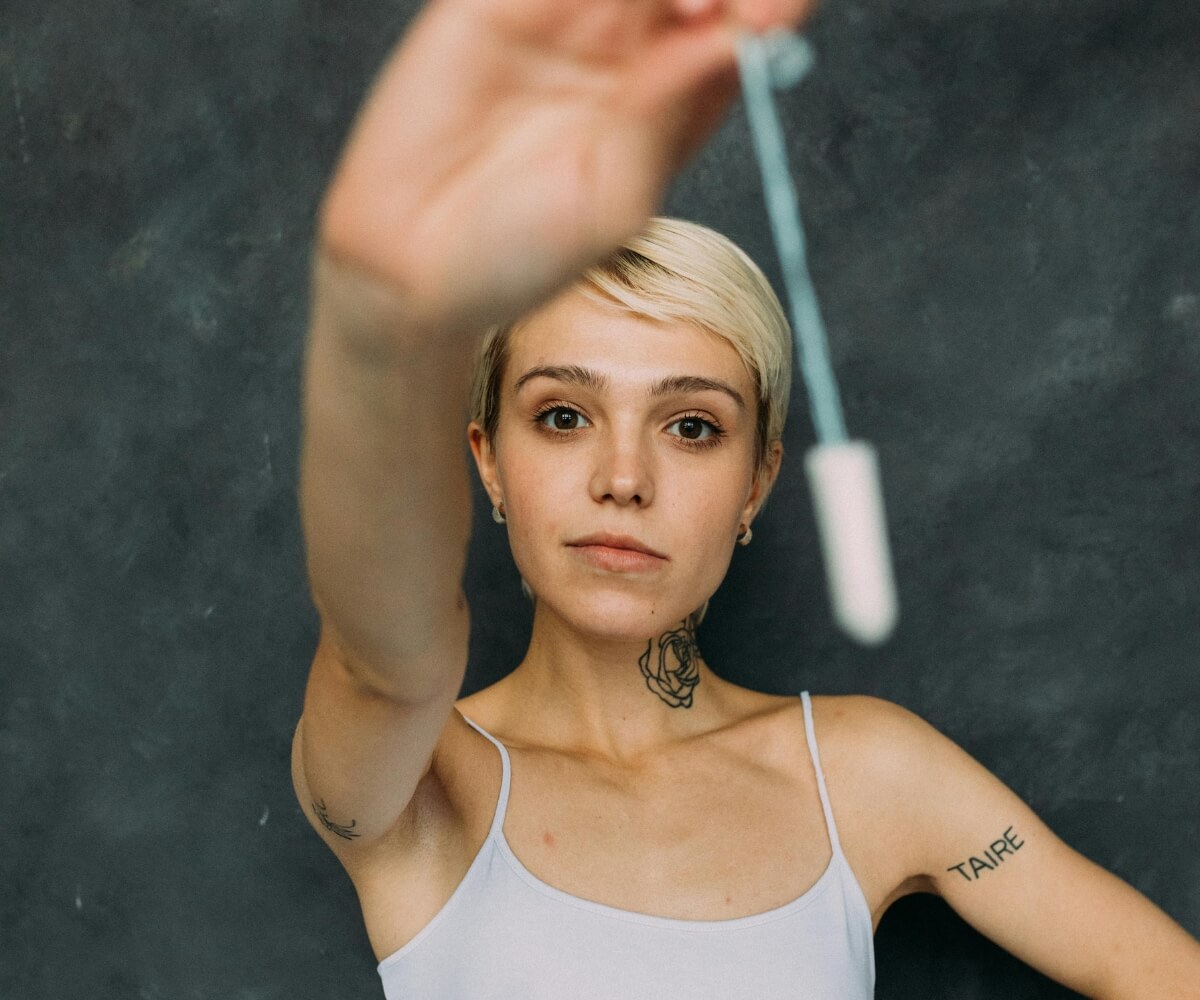
In 2026, millions of women around the world are still paying for something their bodies require every single month. But in Scotland, period products are free for all women – not as a temporary scheme, but as a legal right.
Scotland remains the only country in the world to offer free period products to all women – not just those on low incomes or in schools – with a legal duty on local authorities to provide items such as tampons and sanitary pads to ‘anyone who needs them’.
Period products are distributed through councils and education providers under the Period Products Act, which came into force after MSPs unanimously approved the bill in November 2020. The legislation was introduced by Labour MSP Monica Lennon, who has been campaigning to end period poverty since 2016.
Speaking about the legislation at the time, she said: “Local authorities and partner organisations have worked hard to make the legal right to access free period products a reality.
“This is another big milestone for period dignity campaigners and grassroots movements which shows the difference that progressive and bold political choices can make.
“As the cost-of-living crisis takes hold, the Period Products Act is a beacon of hope which shows what can be achieved when politicians come together for the good of the people we serve.”
What Is Period Poverty?
Period poverty refers to the inability to afford or access essential menstrual products, including tampons, sanitary pads and reusable period products. It is a global issue affecting millions of women and girls, and remains a key barrier to equality, education and women’s health. The cost of period products can range from around £8 to £15 per month, creating a recurring financial burden – particularly during a cost-of-living crisis where basic essentials are already under pressure. For many women, this means making difficult choices between buying food or purchasing period products.
Period poverty can also lead to missed school days, reduced participation in work or education, and increased anxiety linked to menstruation. Beyond affordability, period poverty is also driven by a lack of access to products, limited menstrual health education, and persistent stigma around periods, which prevents open and informed conversations about menstrual health and hygiene.
Georgie Nicholson, of social enterprise Hey Girls, told BBC Radio’s Good Morning Scotland, period products should be as accessible as toilet roll in public bathrooms.
Ms Nicholson said: “There’s a very simple way to describe period poverty: you go to the supermarket and you have to actually choose whether you can buy a bag of pasta or a box of tampons. It’s that basic.
“We hear of a lot of mothers going without their period protection just so they can feed their children and using things such as newspaper stuffed into socks or bread… because they’re cheaper than period products.”
How Big Is the Period Poverty Problem?
Period poverty remains a significant global issue affecting women, particularly young women and students, highlighting the urgent need for access to free period products.
In 2018, a survey of more than 2,000 young people by Young Scot found that around one in four respondents at school, college or university in Scotland had struggled to access period products. This demonstrates the scale of the issue and the real impact of limited access to essential menstrual products.
That same year, Scotland became the first country in the world to make period products free to students, laying the foundation for wider policy change. Since the scheme was introduced, follow-up research found that two-thirds of respondents had accessed free period products from their school, college or university within the previous year. Of those who used the scheme, 84% said it had a positive impact on their lives, improving confidence and reducing stress.
However, period poverty is not only about affordability. Period stigma continues to affect many young women, with research showing that a significant number feel embarrassed when buying or accessing menstrual products. This stigma can discourage open conversations about menstrual health and prevent people from seeking support.
The impact on education is also considerable. Research shows that nearly two million girls in the UK miss school because of their period (64%), with many others reporting anxiety and stress linked to menstruation. Around 13% have missed an entire school day at least once a month, 34% worry about leaking, and 22% experience anxiety related to their periods.
These figures underline that period poverty is not just about cost, but a critical public health and equality issue affecting the education and confidence of girls and young women.
How Scotland Made Period Products Free
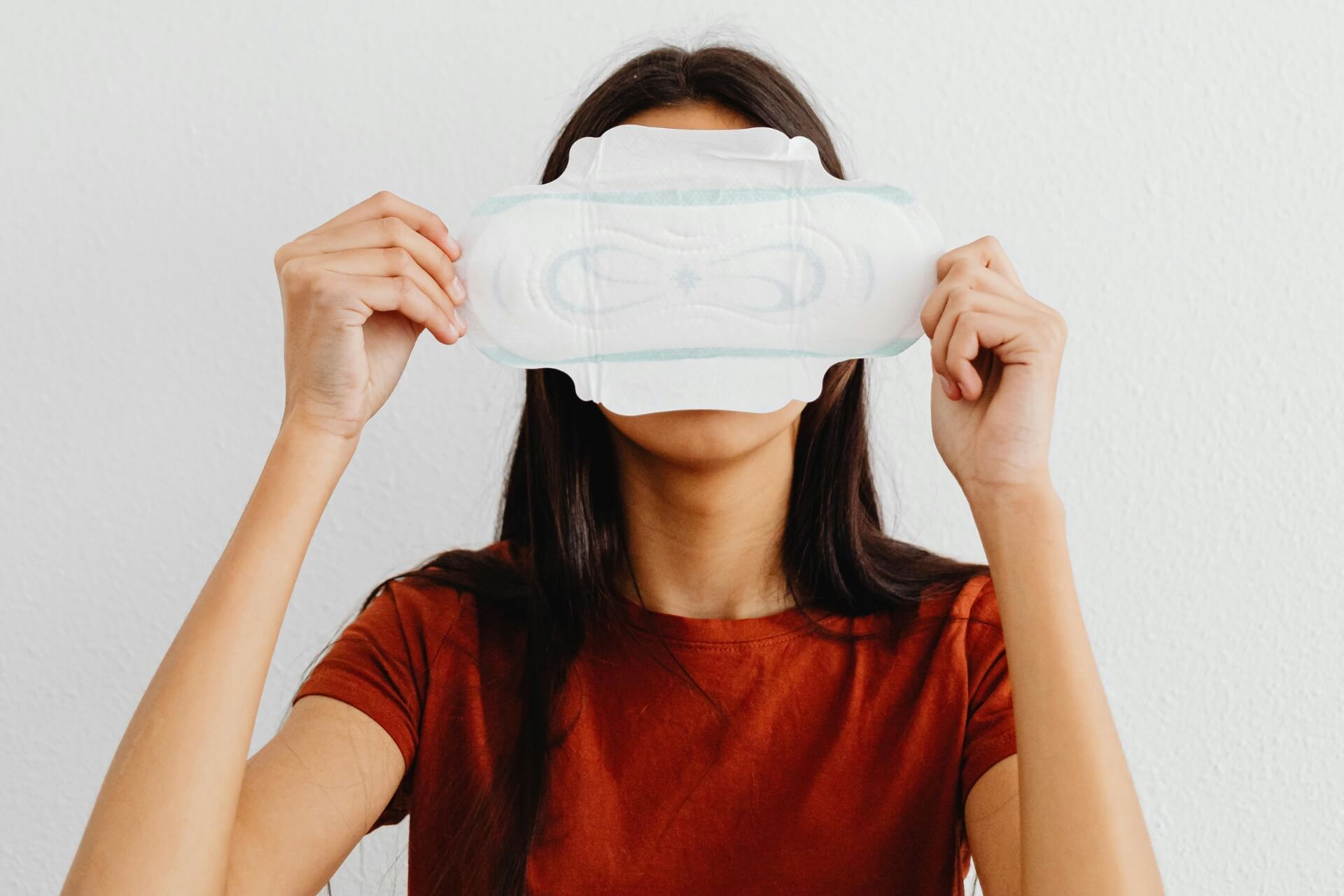
Scotland became the first country in the world to introduce free period products nationwide through the Period Products (Free Provision) (Scotland) Act. The legislation was unanimously approved by MSPs in November 2020 and came into force in August 2022, marking a historic step in tackling period poverty.
The Period Products Act states that accessing free period products should be neither ‘complex nor bureaucratic’, placing a legal duty on local authorities to ensure products are available free of charge to anyone who needs them. Period products are distributed through councils and education providers, making tampons, sanitary pads and other menstrual products widely accessible in schools, universities, libraries and community centres across the country.
Crucially, the law is designed around dignity, accessibility and individual need. There are no forms to complete, no eligibility checks and no requirement to provide personal information unless it is needed for delivery. Individuals are not expected to justify why they need period products or how many they require, and there is no limit placed on access.
The legislation also makes clear that access must meet a person’s needs – whether that is occasional use, ongoing financial hardship or increased need due to a medical condition. Local authorities are required to ensure products are ‘reasonably easy’ to obtain, meaning they should be freely available in places people feel comfortable accessing them, without having to ask.
Importantly, the Act also requires a reasonable choice of products, including tampons, sanitary towels and reusable options, recognising that menstrual care is not one-size-fits-all. Responsible bodies must consult with users to understand what products are needed and how they should be provided, rather than making assumptions.
At its core, the legislation is built on the principle of dignity. Products should be accessible in a way that avoids embarrassment or stigma, while still being visible enough to normalise menstruation. This balance between discretion and accessibility is key to ensuring that free period products are not only available, but genuinely usable.
Why Free Period Products Matter
Access to free period products is a fundamental women’s issue of health, equality and dignity. For decades, menstrual products were treated as non-essential items, despite being required by millions every month. The removal of the tampon tax in the UK in 2021 was a significant step, eliminating the 5% VAT on sanitary products, but Scotland’s approach goes further by removing cost entirely.
Free period products help to reduce financial pressure, particularly for those on low incomes, and ensure that no one has to compromise their health due to lack of access to menstrual products. They also play a crucial role in reducing stigma, normalising conversations around periods and improving confidence among women and girls. By recognising period products as essential, Scotland has reframed menstrual health as a public health and equality issue rather than a personal expense.
The Impact of Scotland’s Approach
Since the introduction of free period products in Scotland, the impact has been both immediate and long-term. Access to free menstrual products has improved confidence, reduced stress and helped remove barriers to education, with fewer students missing school due to their periods. Surveys have shown that the majority of those accessing free products report a positive impact on their daily lives.
In addition to improving access, the policy has contributed to a wider cultural shift, increasing visibility and helping to reduce stigma around menstruation. By making period products freely available in public spaces, Scotland has normalised access in the same way as other essential hygiene products, reinforcing the idea that menstrual health should not be hidden or treated as a luxury.
While many countries have taken steps to address period poverty, Scotland remains the only country in the world to provide free period products on a universal, legal basis. In England, free period products are available in schools, and similar schemes exist in parts of the United States, but these are often limited to specific groups such as students or low-income individuals.
Other countries have focused on reducing or eliminating taxes on menstrual products, but have not introduced universal free access. Scotland’s approach is unique because it removes financial barriers entirely and guarantees access through law, setting it apart as a global leader in menstrual equity and access to period products.
The Tampon Tax in the UK
The tampon tax has long been a symbol of inequality in how women’s health products are treated. In the UK, sanitary products were subject to a 5% rate of VAT – widely known as the ‘tampon tax’ – until it was scrapped in January 2021.
Under European Union law, countries in the EU were required to apply VAT to tampons and sanitary products from 2001, effectively classifying period products as non-essential items. This classification was widely criticised, as period products are a basic necessity, not a luxury.
The UK was only able to abolish the tampon tax following Brexit, when it was no longer bound by EU regulations. However, pressure to remove the tax had been building for years. The ‘Stop Taxing Periods’ campaign, launched by Laura Coryton, gained widespread attention and attracted more than 320,000 supporters, helping to push the issue into the national spotlight.
Before the tax was scrapped, funds raised from VAT on period products were channelled into a Tampon Tax Fund, which supported charities and organisations working to improve women’s health and tackle period poverty. While this provided some benefit, campaigners argued that it did not address the root issue – that essential products for women were being taxed in the first place.
Globally, a number of countries have since taken steps to reduce or eliminate taxes on period products, including Canada, Australia, India and several US states. However, removing the tampon tax alone does not guarantee access.
Scotland’s approach goes significantly further. By making period products free, it removes cost entirely and reframes menstrual health as a public health and equality issue. The shift from taxation to free provision represents a more comprehensive and progressive response to period poverty – one that addresses both affordability and access at a systemic level.
The Future of Period Poverty
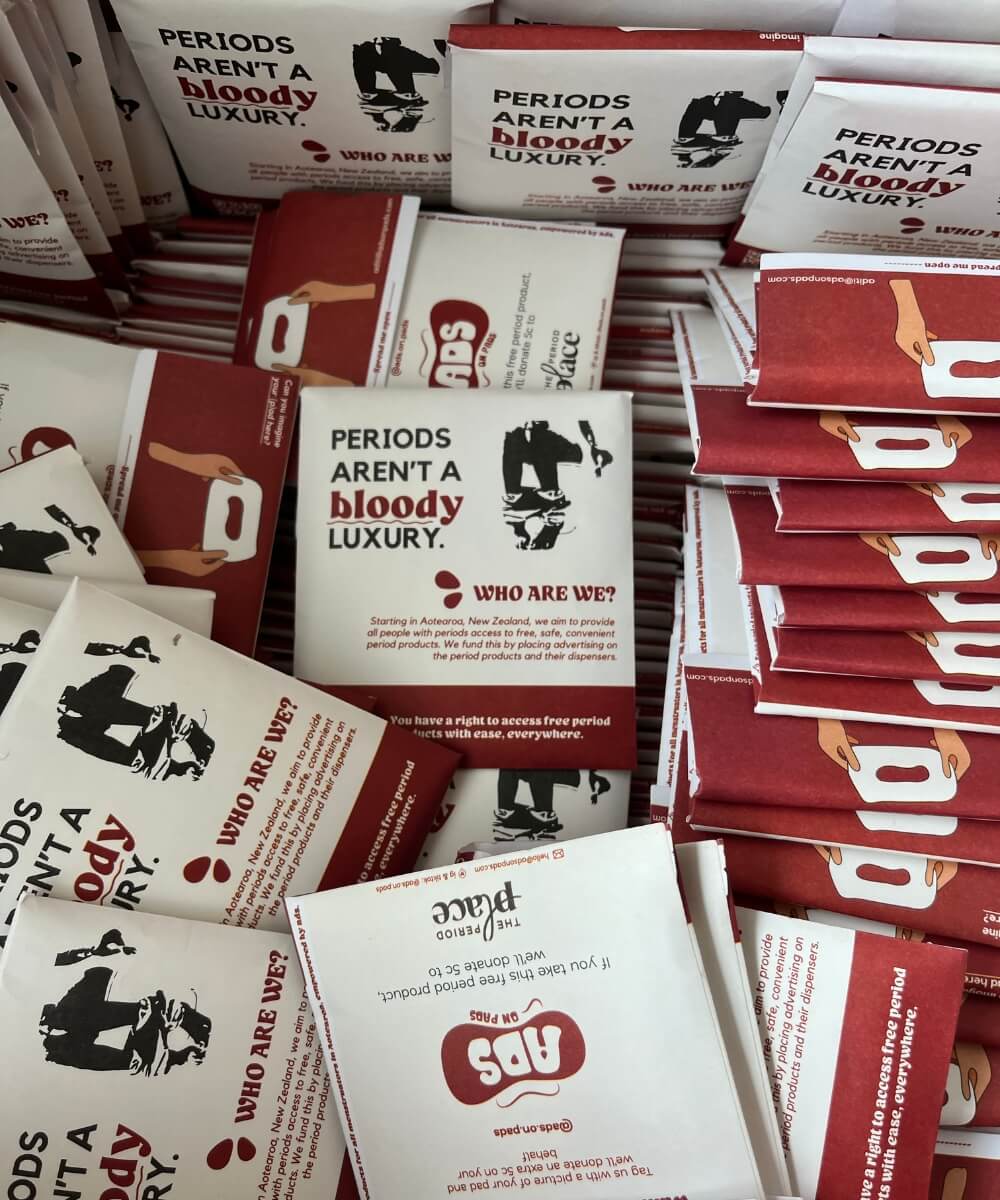
As awareness of period poverty continues to grow, there is increasing pressure on governments worldwide to take meaningful action. The Women’s Journal argues that period products should be treated in the same way as other basic hygiene essentials, such as toilet paper and soap, and made freely available in public spaces.
Scotland has demonstrated that providing free period products is both achievable and effective, setting a new global standard for addressing menstrual inequality. As the cost-of-living crisis continues to affect households globally, access to free period products is becoming an increasingly important issue in the wider conversation around women’s health, equality and social policy.