
Finding the best destination dupes in Europe means avoiding overtourism, exploring underrated European destinations, and often discovering more budget-friendly destinations as well. This is one of the best 2026 travel trends to jump on board with if you are looking to get back to authentic travel for women rather than simply ticking things off of a hyper-curated, algorithm-approved bucket list.
The rise of social media and affordable mass travel has meant that some travel hotspots have become saturated, this equates to long queues for the top attractions and sky-high hotel and restaurant prices. There can also be an anti-tourist vibe, notable in some places like Venice by the post-COVID introduction of tourist taxes, or in cities like Barcelona where homemade anti-Airbnb signs hang from apartment buildings and graffiti makes it clear that tourists are not welcome in certain neighbourhoods. Other popular European cities like Amsterdam are taking a different approach to avoid overtourism, implementing new laws and marketing campaigns to appeal to the type of traveller they want to see rather than put off visitors completely.
TV and film also has an effect with Netflix powerhouses like Bridgerton inspiring travel to the shows filming locations in London, Bath and across the UK. Other franchises like Game of Thrones still make their mark on filming locations in Ireland and Dubrovnik many years after the series has been aired. This phenomenon has been dubbed the ‘White Lotus’ effect after the Sicilian hotel, the Four Seasons San Domenico Palace in Taormina, Sicily, where season two of the hit HBO series The White Lotus was filmed reported that it was booked out for six months when it reopened after filming.
What Are Destination Dupes And Why Are They Trending in 2026?
So what’s the answer to overcrowded European hotspots and Insta-tourism? Travel lookalikes, also known as the travel-twinning trend, offer all of the same culture, epic views, and gastronomical delights, whilst skipping the crowds and inflated prices. This coupled with the rise of slow travel and the sustainable travel trend are taking female travellers to quieter European alternatives, and helping to uncover some of the best hidden gems of Europe in 2026.
According to Skift Research’s The Woman Traveller report, more than 64% of the world’s travellers are women, with an overwhelming 82% responsible for making a family’s travel decisions. Another Skyscanner study showed that 93% of travellers would consider swapping a well-known tourist destination for an alternative, with destination dupe recommendations that include Belfast instead of London and Seville instead of Madrid. Expedia’s worldwide destination dupes 2026 list includes Perth instead of Sydney, Palermo instead of Lisbon, and Quebec City instead of Geneva. Melanie Fish, the chief trend tracker for Expedia Brands, said dupes are like cheaper versions of luxury brands. “[They] are destinations that are a little unexpected, sometimes more affordable, but every bit as delightful as the tried-and-true places travellers love,” she wrote in the company’s report. Here, we look at some of the best destination dupes Europe has to offer for female travellers.
The Sun & Sea Swaps: Luxury Mediterranean for Less
The Mediterranean has always enticed holidaymakers to its serene sandy shores and clear-blue waters, but with overcrowded beaches as well as beach umbrella charges reaching upwards of €40 per day, it might be time to start exploring other options. And there’s no shortage, with affordable alternatives to Lake Como like Lake Maggiore just a stones throw away, you don’t have to travel far to find the best destination dupes.
Instead of the Amalfi Coast, Visit Puglia
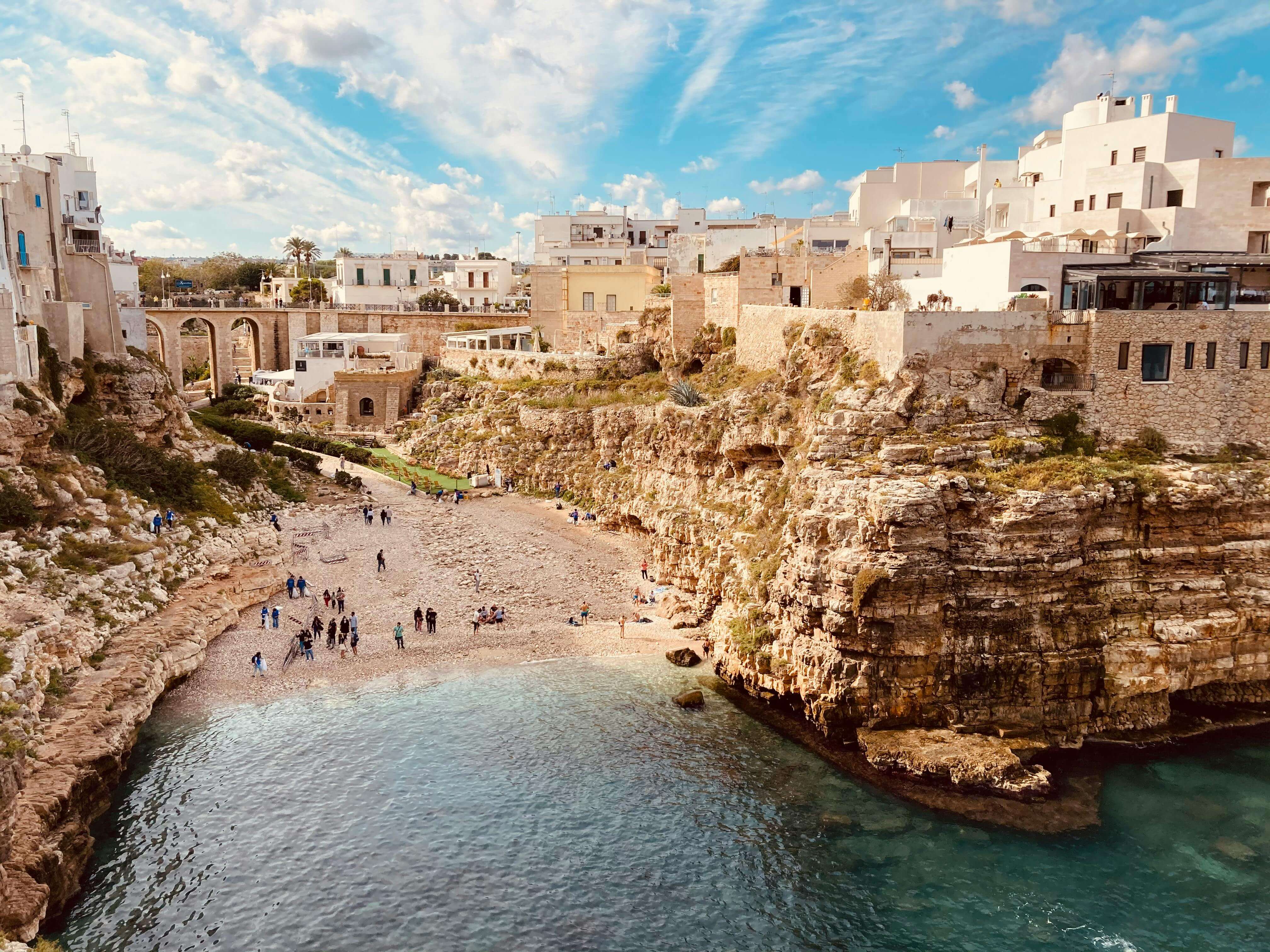
For a budget-friendly alternative to the Amalfi Coast, visit one of Italy’s up-and-coming destinations, Puglia. Located in the south east of the country (or the ‘heel of the boot’), Puglia oozes Italian charm with whitewashed hill towns and hundreds of kilometers of often deserted clear-blue Mediterranean coastline.
Some of the best beach towns to base yourself in are Polignano a Mare with its rugged cliffs, the family-friendly Vieste, the stunning Otranto and Alimini Beach, the ancient harbour of Monopoli, or the more quiet and out of the way Santa Maria di Leuca.
Capital Bari is the entry point rivaling Naples as a vibrant port town, while Lecce is a good replacement for Positano. Known as the ‘Florence of the South’, it boasts baroque architecture and a vibrant food scene. Other spots worth dragging yourself away from the beach for are Alberobello and the Itria Valley, here you can find ‘trulli’ – traditionally built stone huts with distinctive conical roofs.
Instead of Mykonos, Visit Zakynthos
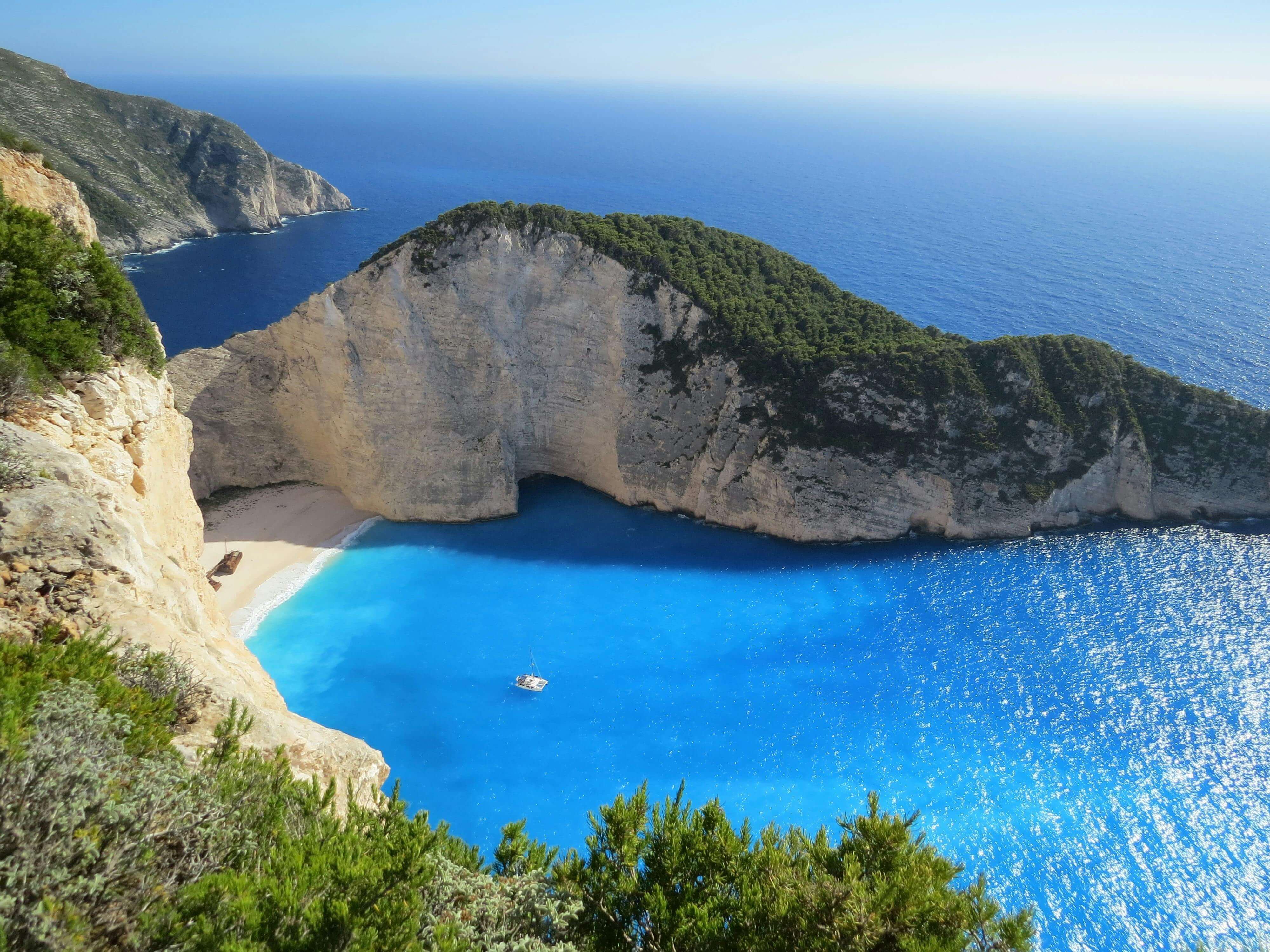
There’s a plethora of authentic Greek Islands to explore away from the crowds of Mykonos. Even within the Cyclades there are other hotspots like Milos, Naxos and Paros – an island that’s almost entirely plastic-free and a great option for sustainable travel in Greece. But for vibrant nightlife to rival the party-capital of Mykonos, Zakynthos, also known as Zante, over in the Ionian Islands comes at the top of the list.
Revellers congregate at Banana Beach and the nightlife epicentre Laganas, a village and beach resort packed with clubs, bars, and lively beach parties. Elsewhere in Zakynthos, local tavernas serve up traditional Ionian recipes with a Mediterranean twist, sun-worshippers relax at stunning beaches like Alykes and Alykanas, and boat tours head out to explore the many beautiful rock formations and hidden swimming coves scattered around the island.
Other top things to do in Zakynthos include taking in the sights at Navagio (Shipwreck) Beach, snorkelling amongst the marine life at the Blue Caves, and embarking on an eco-conscious boat tour to Marathonisi (Turtle Island) in Laganas Bay to spot Loggerhead sea turtles nesting on the beach.
Instead of Santorini, Visit Hydra
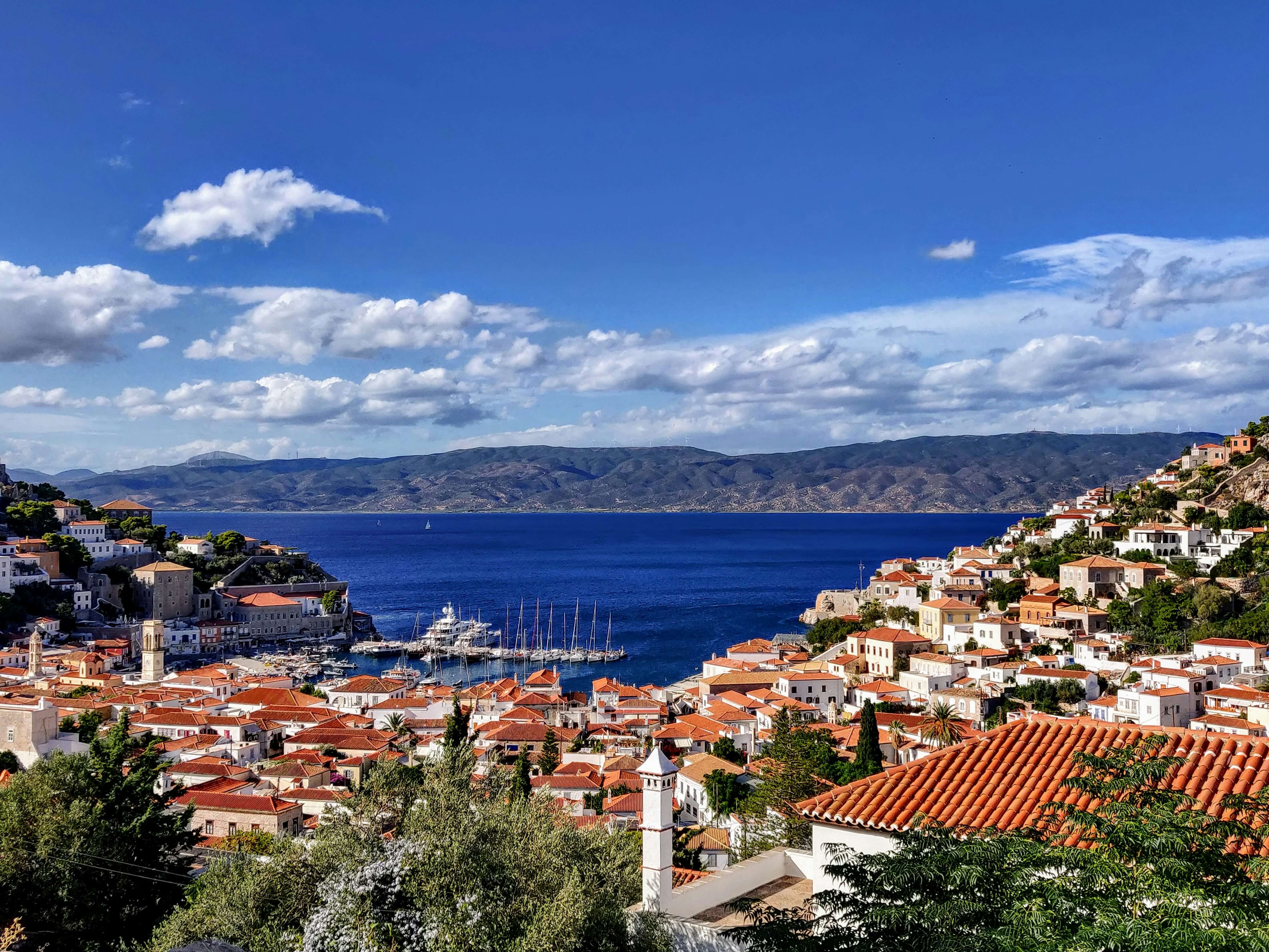
If you’re looking for where to go instead of Santorini, the Saronic Islands are an excellent alternative. Just a short ferry ride from Piraeus port in Athens, these welcoming islands offer a variety of authentic Greek experiences. Whether it’s a family getaway in Aegina, a relaxed beach trip in Agistri, or a sailing holiday in Poros, it’s easy to see why these islands are popular with locals as a quick getaway from the noise of Athens.
Hydra is the top pick as an alternative to Santorini, every bit as beautiful as any island in the Cyclades it’s completely car free and perfect for exploring by foot. Set on a steep inlet, Hydra town and harbour serve as the main gateway to the island. With whitewashed walls, cobblestone streets, and historic monasteries to explore, it’s easy to spend your whole trip just taking in the laid-back culture. But the real beauty of the Saronic Islands is how easy it is to travel between them.
If you can pull yourself away from the beauty of Hydra just a 30 minute ferry-hop away is Spetses, a glamorous island that’s definitely worth a visit. Used as the filming location for Netflix’s Glass Onion: A Knives Out Mystery, Spetses is rife with elegant cafes, art galleries and stylish boutiques. Locals spend their time sipping traditional coffee in the cafes of Dapia whilst taking in scenic views of Kosta and Porto Heli on the mainland opposite.
Instead of the French Riviera, Visit Montenegro
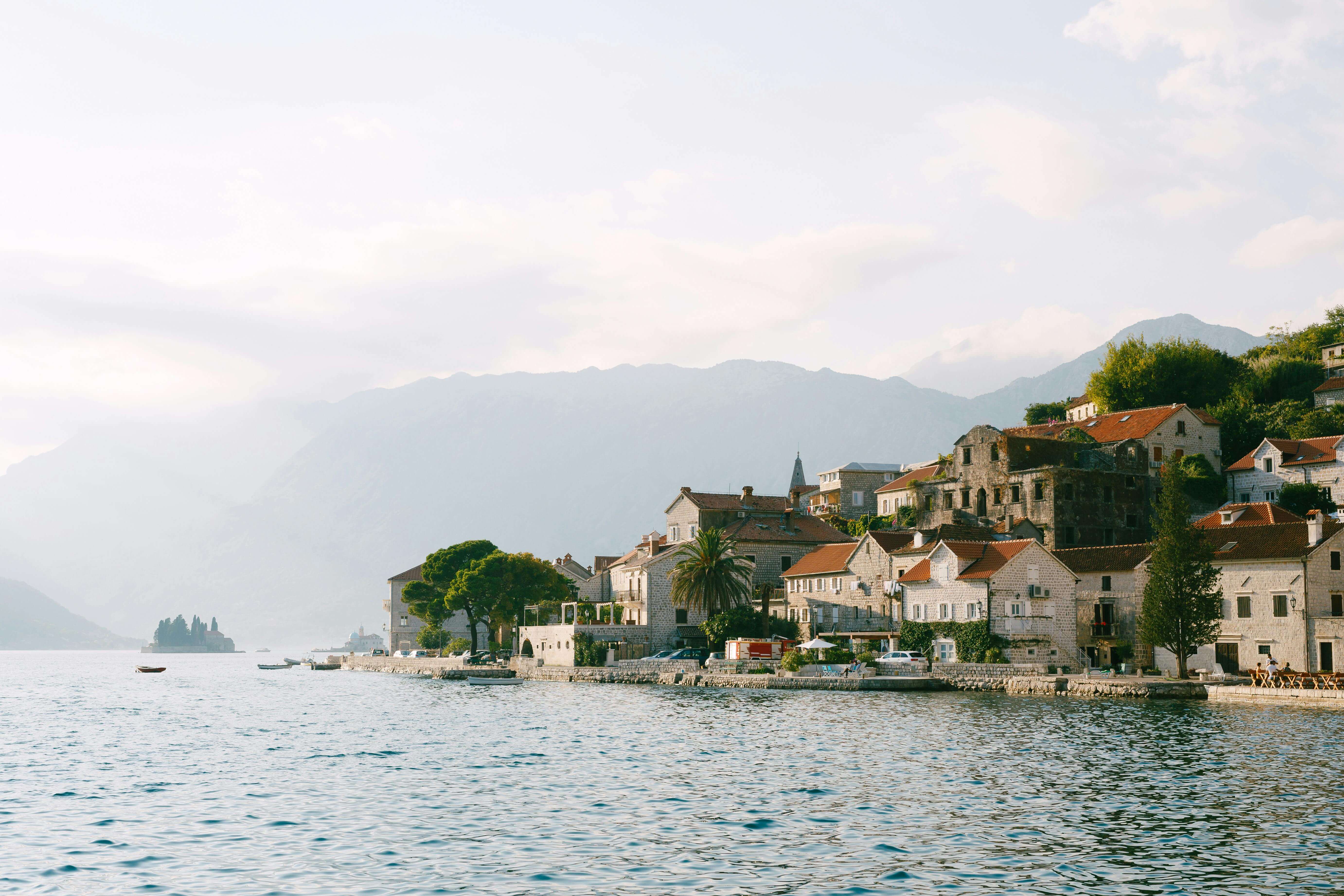
The French Riviera exudes elegance, with hotpots like Nice, Monaco and Saint-Tropez attracting celebrities and holidaymakers alike. But all the glitz and glamour can come with a hefty price tag, not to mention coach loads of camera-toting tourists.
For a more affordable luxury Mediterranean destination, Montenegro offers everything that the Côte d’Azur has and more. The jewel of the Adriatic coast, Montenegro’s dramatic scenery, turquoise oceans and golden sands attract fewer crowds than the neighbouring adventure travel hotspot of Croatia, but are more established than the up-and-coming beach resorts of Albania. For warm welcomes, sweeping coastal views, and fine-dining head to the UNESCO-protected Bay of Kotor, then make your way down the coast to the medieval fortress town of Budva and the Budva Riviera.
Montenegro has it all with world-class beaches like Lucice Beach in Petrovac, the super-yachts of Porto Montenegro, and an array of high-end spa retreats such as the One&Only Portonovi. It’s a nature lover’s paradise too with hiking experiences in the Dinaric Alps, the primeval forests of the Durmitor Mountains and Lake Skadar – the largest lake in Southern Europe.
Instead of Ibiza, Visit Formentera
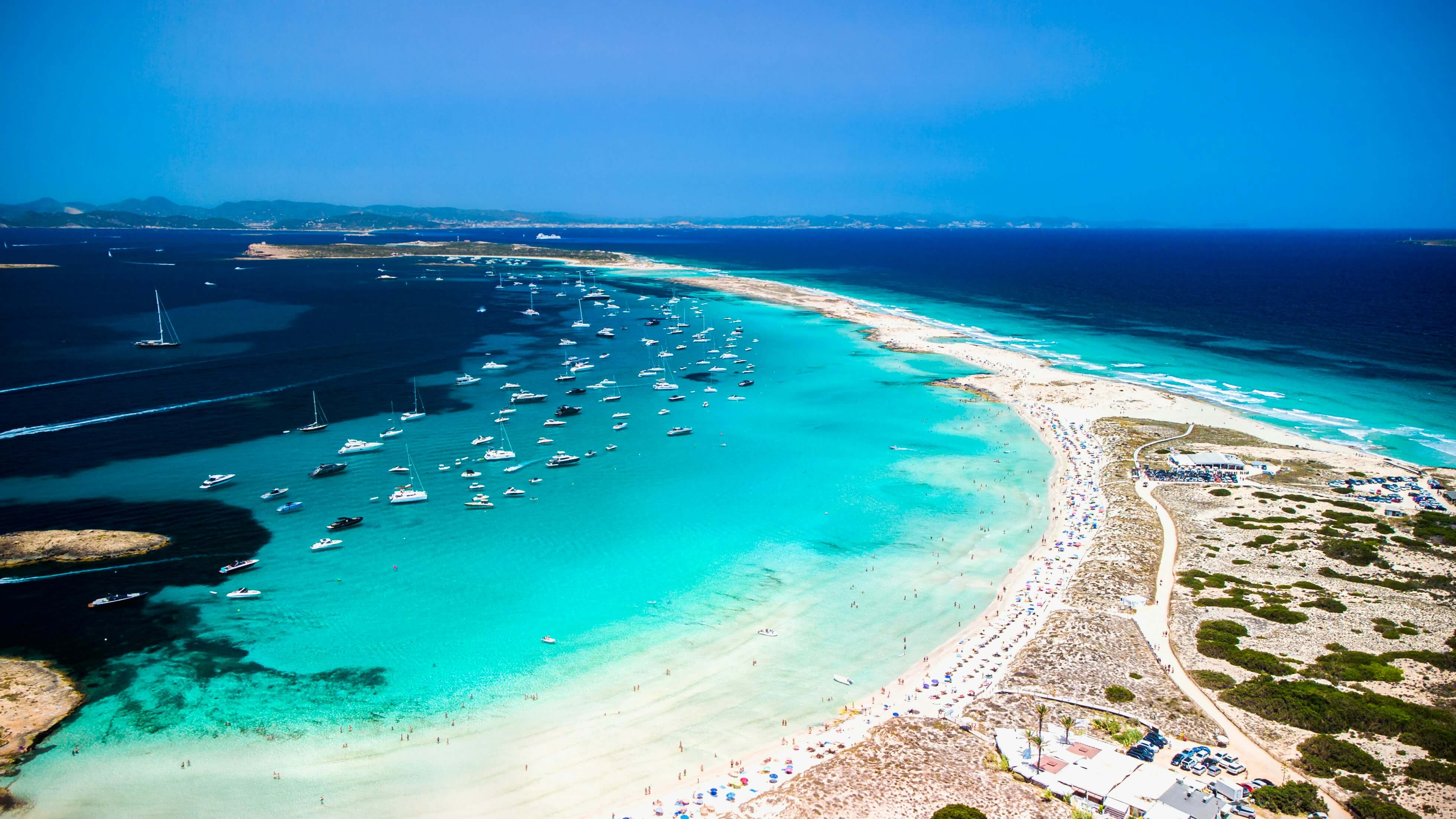
The clubland capital of Ibiza has long held one of the top spots for the best beach destinations in Europe. But it’s neighbouring Balearic Islands also have their own individual reasons to visit. Mallorca, the largest Island, has the trendy capital of Palma, a diverse assortment of great beaches, and the Serra de Tramuntana mountains which are a draw for more active travellers. Menorca on the other hand is more of a family-friendly destination with an array of beach resorts, it also boasts a sustainable tourism industry – the entire island and it’s surrounding waters are designated a UNESCO Biosphere Reserve.
Formentera is the smallest and most southerly of the inhabited Balearic’s, with Caribbean-like beaches, rugged landscapes, Bougainvillaea-lined streets and whitewashed villages. With around 12,000 inhabitants it’s also the quietest, escaping the crowds of Ibiza and the other bigger islands. The sleepy town of Sant Ferran has a Bohemian vibe, with live music and hipster bars replacing the chaotic techno beats of Ibiza’s nightlife scene.
But it’s the beaches that are the undeniable appeal of this island. Playa de Ses Illetes (pictured) is at the exclusive end with superyachts and private beach clubs, while the three-mile stretch of rugged sand dunes at Playa de Migjorn attracts locals and intrepid visitors alike. Avoid the outlandish club entrance fees of Ibiza and instead sip Pomadas (Menorcan gin topped with Fanta Limon) under the moonlight at one of Formentera’s laid-back beach bars.
Instead of Crete, Visit Lefkada
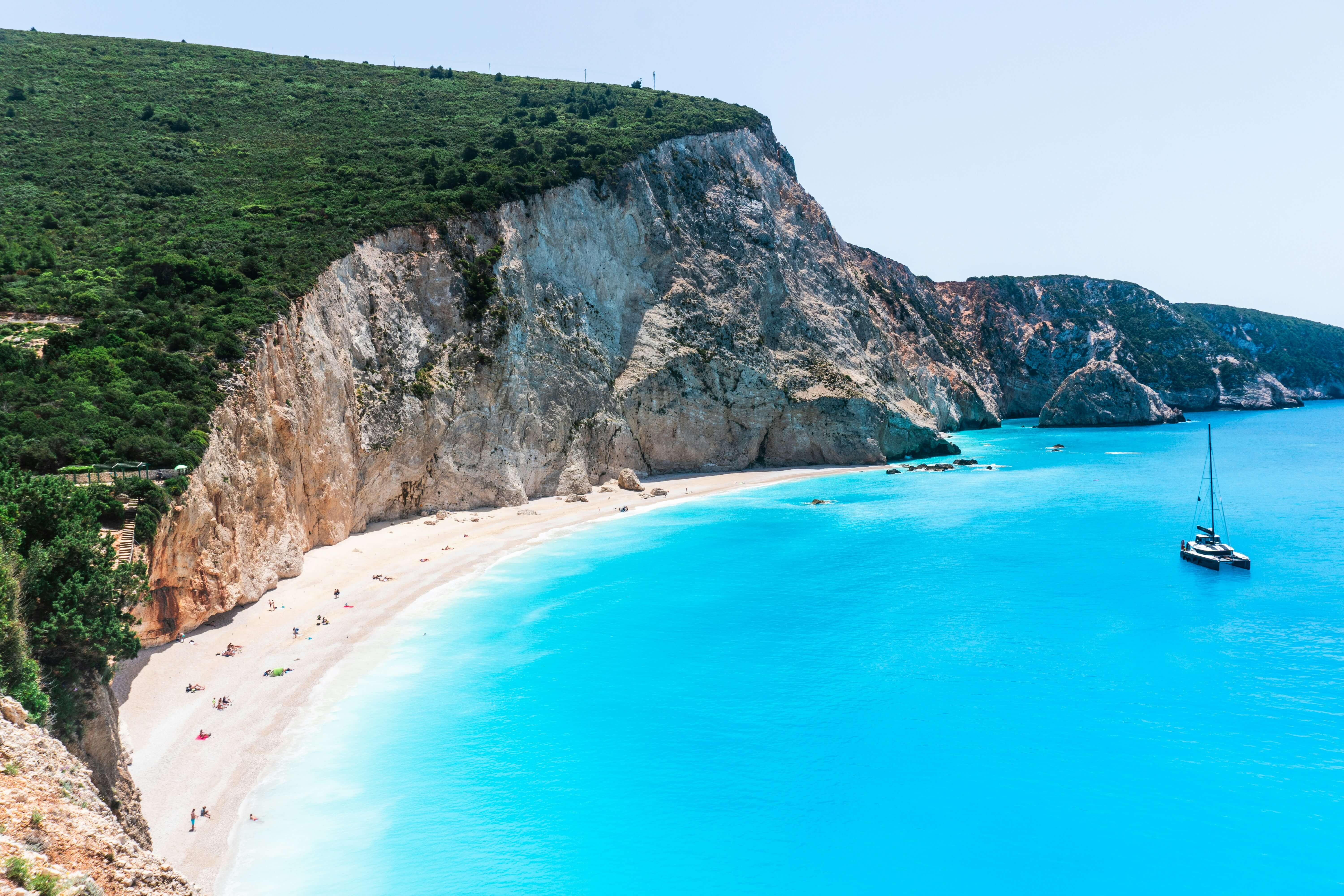
Crete is well known for it’s beachside resorts like Rethimno, Chania, and Agios Nikolaos, it’s ancient archaeological sites like Knossos, and the strikingly pink sand of Elafonisi Beach. But even the most scenic sands in Crete pale in comparison to the beaches of Lefkada, an island just off of the west coast of the mainland in the Ionian Sea where white sand and turquoise water seem ubiquitous.
Lefkada is one of the biggest Greek Ionian islands and has a wealth of natural beauty and secret beaches to escape to. While it can still get busy in peak season, visit in the shoulders seasons (late April to early June and mid-September to the end of October) and the beaches empty out and you can have the clear-blue waters all to yourself.
Visit Porto Katsiki with it’s dramatic mountain backdrop, stroll the unspoiled sands of Egremni Beach, snorkel in the waters of Agiofili Beach, or venture even further afield to escape the crowds to Milos Beach, accessible only on foot or by boat.
European City Break Swaps: Culture Without the Queues
If you truly want to avoid overtourism, Europe city break swaps are a must. I’m not saying you should never see the Colosseum, visit the Louvre, or witness the Sagrada Familia (finally finished in 2026 an astounding 144 years after work began). But avoid the crowds in peak season by heading a little further afield and you will see that Europe has a lot more to offer.
Instead of Rome, Visit Matera
There are plenty of contenders for Rome’s blend of impressive historical architecture, the romantic bustle of city life, and let’s not forget its carb-heavy, anti-keto gastronomy scene. One of the top contenders for Rome destination dupes is Thessaloniki in Greece, a Mediterranean adjacent city scattered with Roman, Byzantine, and Ottoman ruins. Then there’s the Croatian city of Pula with its own answer to Rome’s Colosseum, the Pula Amphitheatre – one of the best-preserved ancient Roman amphitheatres in the world.
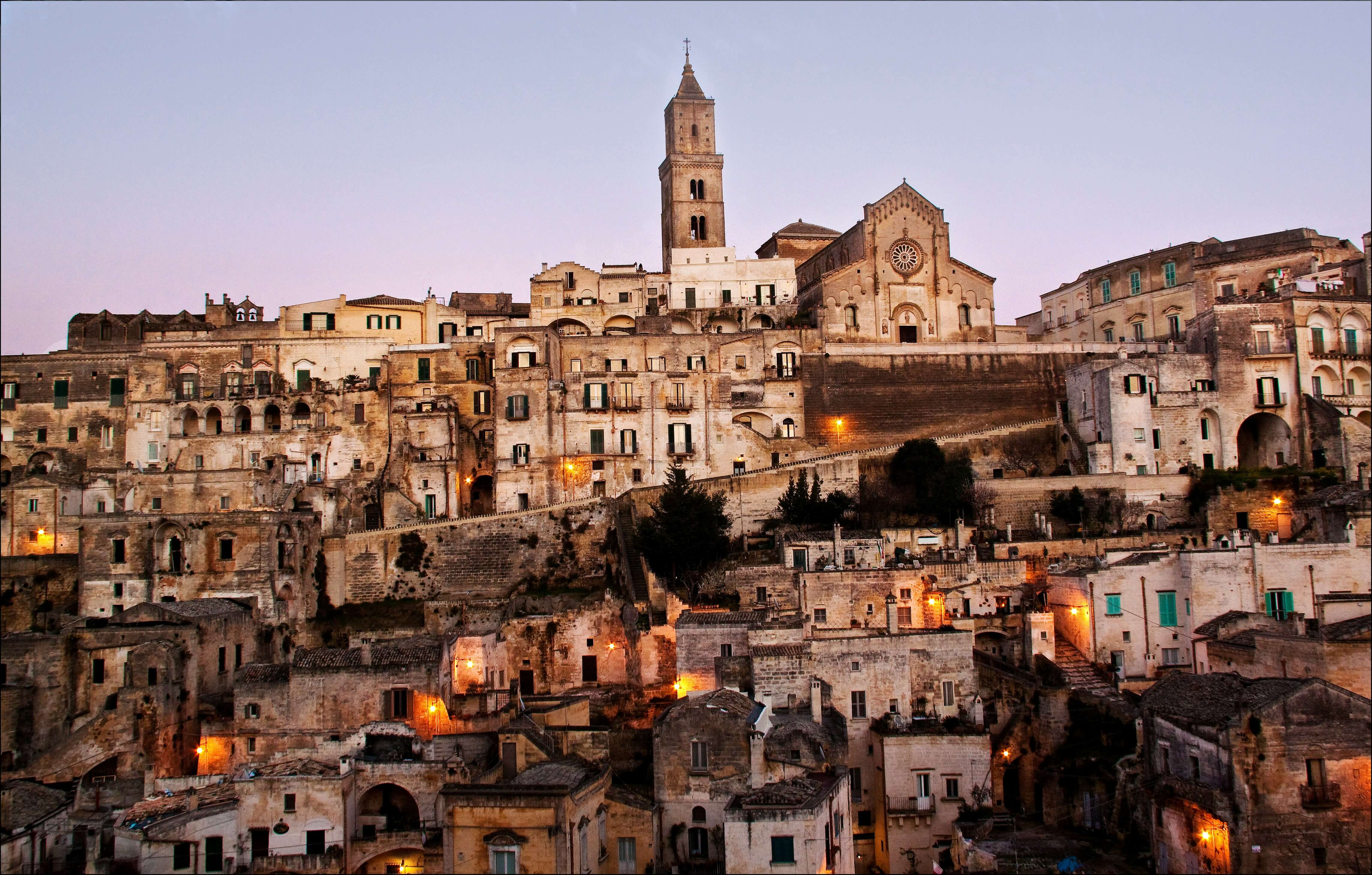
But if you’ve got your heart set on sampling some authentic Italian food, skip the Rome crowds and head to Southern Italy to the small city of Matera instead. Located near the heel of ‘the boot’, Matera is one of the less crowded European cities on this list of destination dupes. The city certainly rivals Rome in the historical stakes too, with a continuous occupation dating back to prehistory. In fact it’s believed to be the world’s third-longest continuously inhabited human settlement (after Aleppo and Jericho).
Here you feel like you are actually exploring the ancient streets yourself, rather than ticking things off from a guidebook. Wander past Neolithic cave houses or ‘Sassi’, sample locally grown food and Basilicata cuisine, and discover a zero-waste society that lived sustainably in ancient stone dwellings. Plus due to its compact size, there’s plenty of time for that all important aperitivo and Aperol Spritz.
Instead of Paris, Visit Riga
Paris attracted a hefty 18.3 million international visitors in 2025, so is one of the top places to avoid if you don’t enjoy crowds. If you’re looking for the best alternative cities to Paris, you could stay with the French theme and enjoy the gastronomy and culture of Strasbourg or Lyon, or head to Fontainebleau instead of Versailles. Or you go a little further afield with the undeniably beautiful Prague or the bustling Budapest. But if you really want to skip the crowds in the European summer, head to the Baltic regions for some of the best overtourism alternatives in 2026.
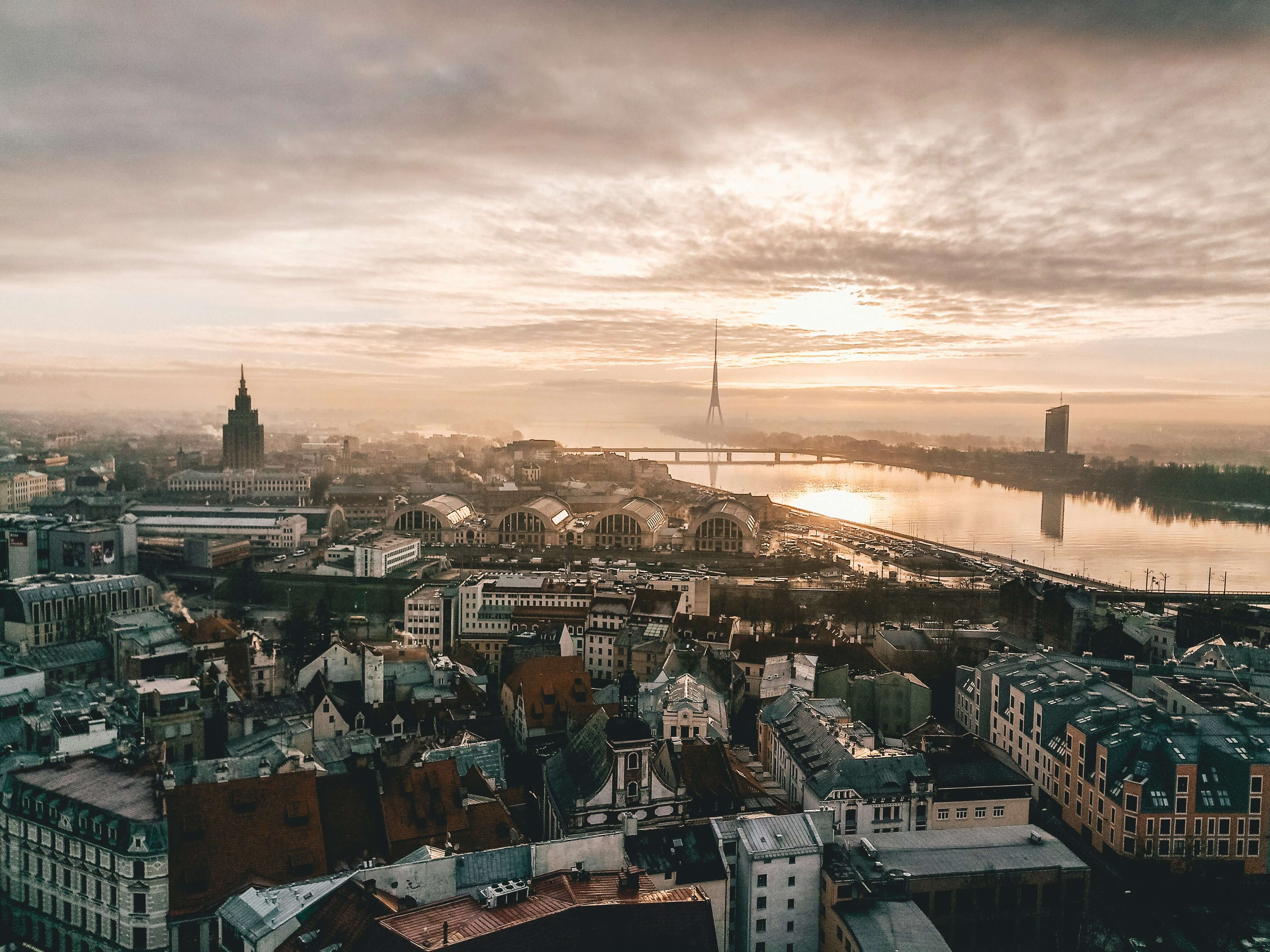
Vilnius has the picture-perfect spire-topped architecture to rival the French capital, Tallinn has the cosmopolitan culture and quirky street art, but the number one destination dupe for Paris is Riga. The capital of Latvia has earned the moniker of the ‘Paris of the North’ for good reason.
Riga’s large boulevards and impressive monuments make it a city that begs to be explored on foot. Enjoy the city’s café and food culture by heading to the Central Food Market to sample delicacies from multicultural pop-up restaurants, swap the Seine for a cruise along the Daugava River for views of the historic old town, then swap the Sacre Coeur for the panoramic views of St. Peter’s Church.
Instead of Barcelona, Visit Valencia
Barcelona is known for its beachside location, ample displays of prominent artworks, and its lively nightlife. Some of the quieter alternatives to Barcelona have these qualities in abundance, while also being more welcoming to tourists and helping you to skip the crowds.
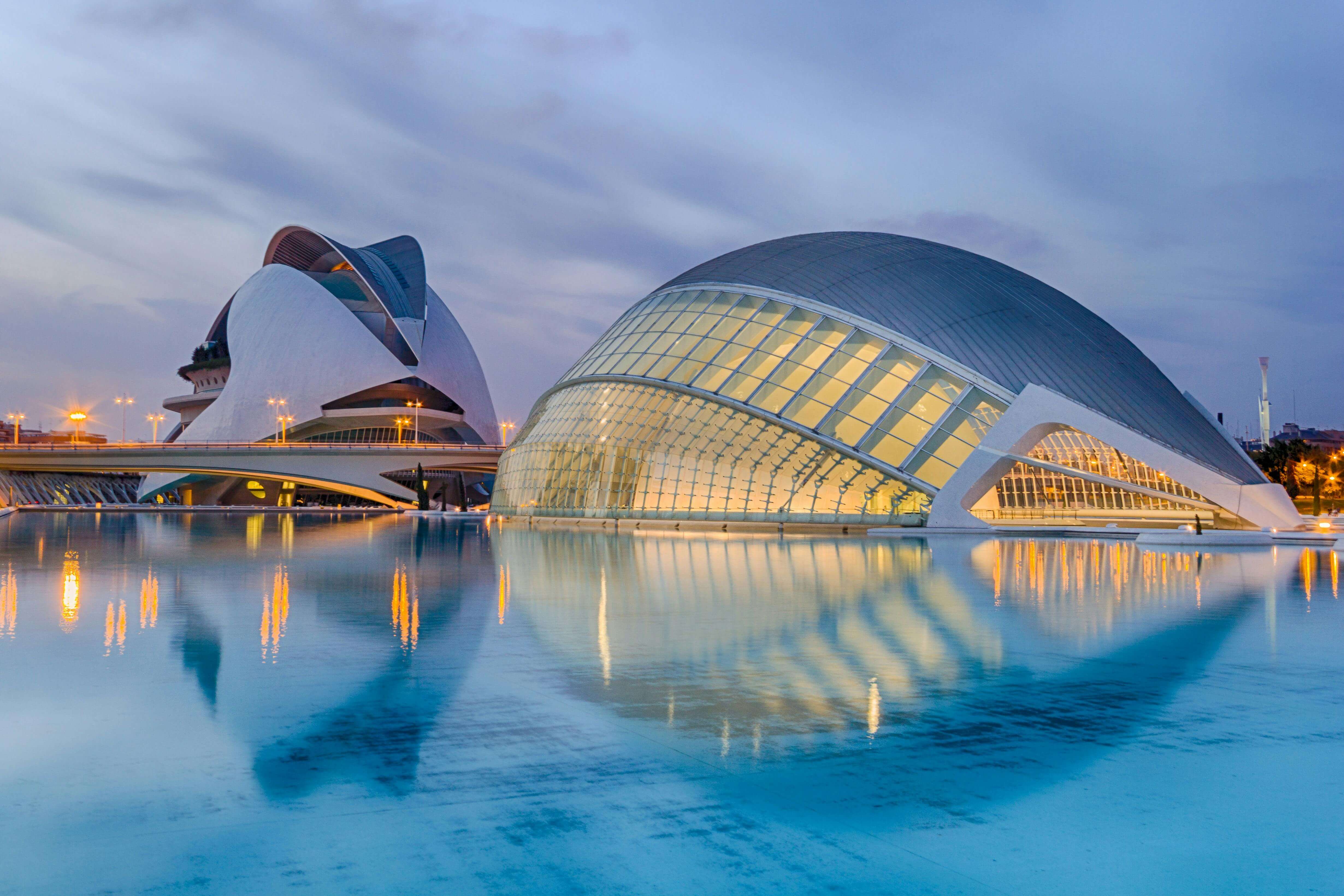
But as far as destination dupes in Spain go, Valencia is the number one budget-friendly alternative to Barcelona. Popularly known as Barcelona’s little sister, it too sits right on the shore of the Balearic Sea but doesn’t see anywhere near the same amount of visitors.
While Gaudi is the artistic father of Barcelona, Valencia has the futuristic City of Arts and Sciences designed by Santiago Calatrava (pictured above). The city also knows how to throw a party with famous festivals like Las Fallas erupting with fireworks, with giant puppets, and street parades rivalling that of La Mercè in Barcelona. And if it’s the city-meets-beach vibe that you’re here for, Malvarrosa offers a more peaceful and less commercialised alternative than Barceloneta Beach.
Instead of Venice, Visit Ljubljana
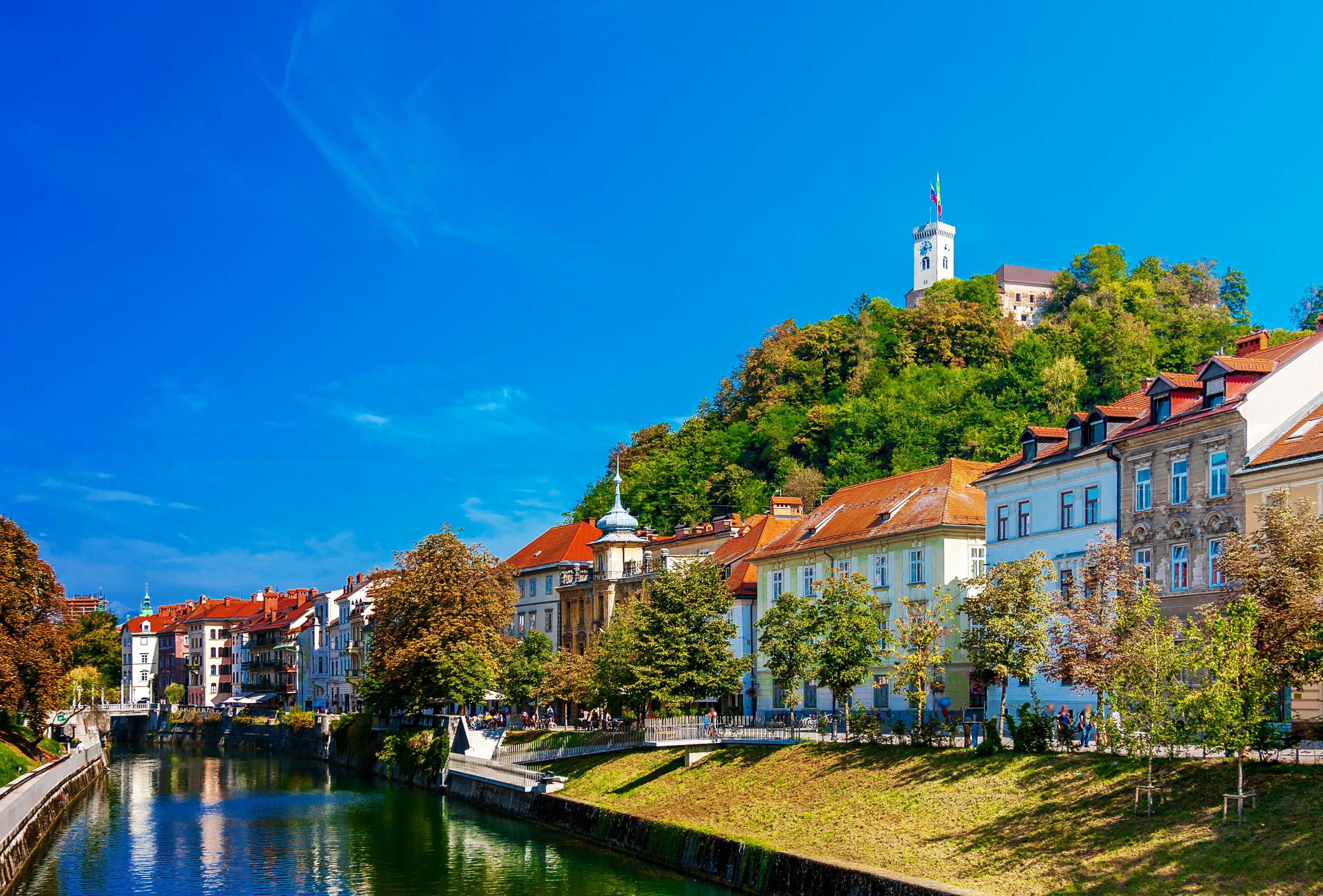
Venice’s canal-lined streets, gondoliers, and gelateria’s are the stuff of idle Italian daydreams, but it can feel more like a nightmare when you are elbow-to-elbow with thousands of other tourists in the queue for Saint Mark’s Basilica. There are other reasons to skip this well-known European destination too. The introduction of the Venice Admission Tax in 2026 means that day-trippers are now charged a €5–€10 entry fee on many high-traffic dates between April and July. And the Aqua Alta, or high tide, can mean visiting at other times of year can leave you navigating through waist-deep polluted water.
So instead then head to one of the greenest countries in Europe, Slovenia and it’s capital Ljubljana. While it may be more of a mouthful to pronounce, Ljubljana offers similar attractions to Venice with historical museums, waterside cafes, and top-rated cuisine. Visit the expansive Tivoli Park the see why it’s one of the greenest cities in Europe, take a boat trip down the curving Ljubljanica River, then eat your way around Ljubljana’s Central Market. To really taste the best food that the city has to offer, visit the Open Kitchen Friday food market and order a Gourmet Ljubljana Tasting Menu – a four-course tasting menu featuring the very best dishes and local produce from selected providers from the Central Slovenia region.
Instead of Florence, Visit Bologna
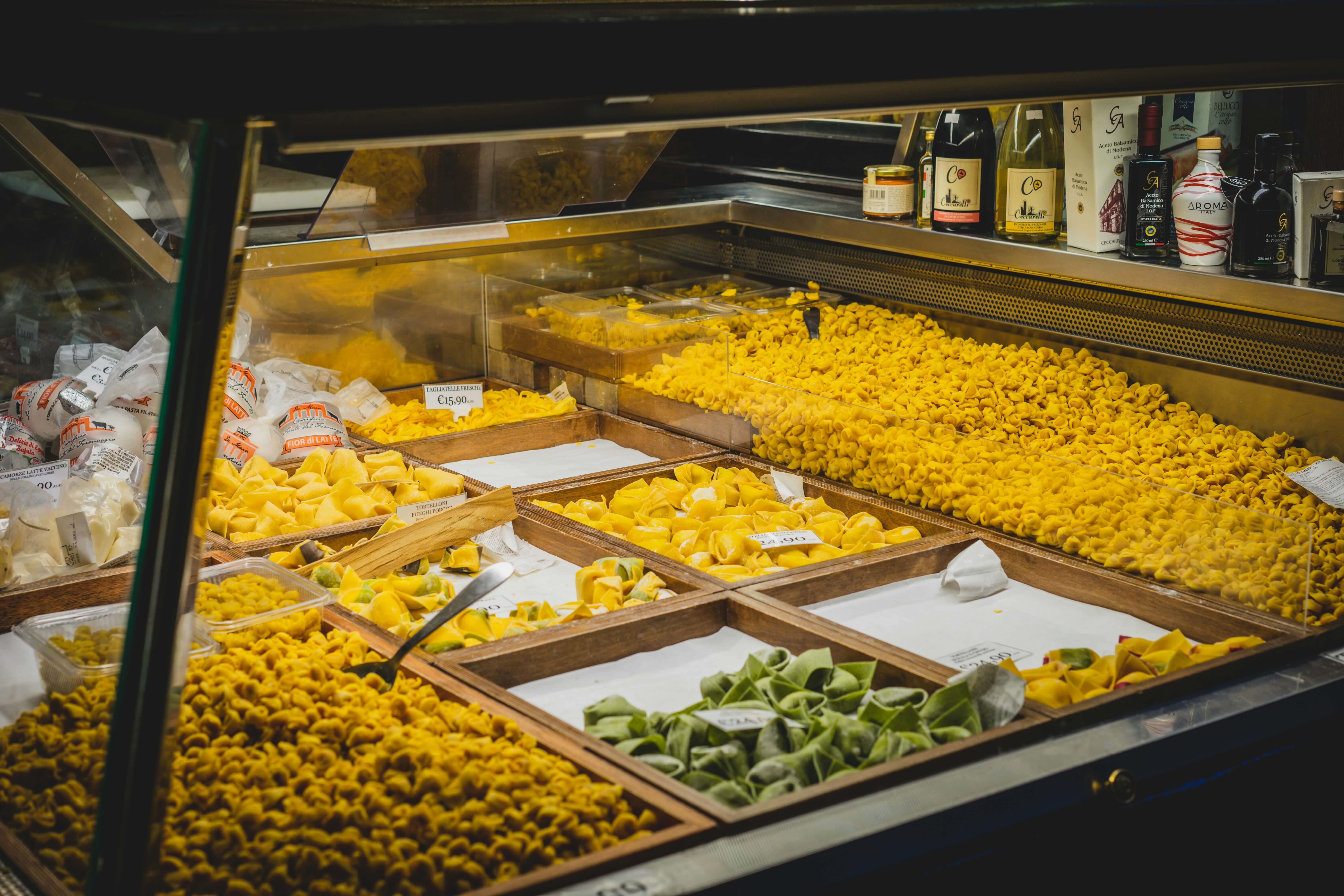
Tuscany certainly has it’s appeal, with green rolling hills full of fine produce like wine, olive oil and tomatoes, alongside forests of roaming wild boar and secretive underground truffles. It’s no wonder tourists descend on Florence to sample Florentine cuisine such as Ragu Cinghiale (wild boar pasta) and Bistecca alla Fiorentina (Florentine steak). But it’s the Emilio-Romagna region that is renowned as Italy’s culinary heartland or “La Grassa“.
Emilio-Romagna is home to 42 DOP products, and Bologna, the capital of the region, serves up standout dishes like lasagna Bolognese, tortellini al brodo, and tagliatelle al ragu (the original and more refined version of the much-loved English dish Spaghetti Bolognese). Head to the Mercato di Mezzo and Il Quadrilatero area to sample world-renowned local produce like Parmigiano Reggiano, mortadella and balsamic vinegar. I’ve often been told by Italians that they keep the best produce in the country, and a visit here will confirm this.
While Florence may be known as the “Cradle of the Renaissance” for sights like Michelangelo’s David, Bologna is best known as the home to the oldest university in the Western world, “La Dotta”. The city is young and vibrant with a strong student presence even today. The architecture is reminiscent of Florence with red-tiled roofs, UNESCO-listed medieval porticoes (62 km of covered walkways), and Gothic and Renaissance structures such as the Fountain of Neptune and the Basilica di San Petronio.
Instead of Lisbon, Visit Porto
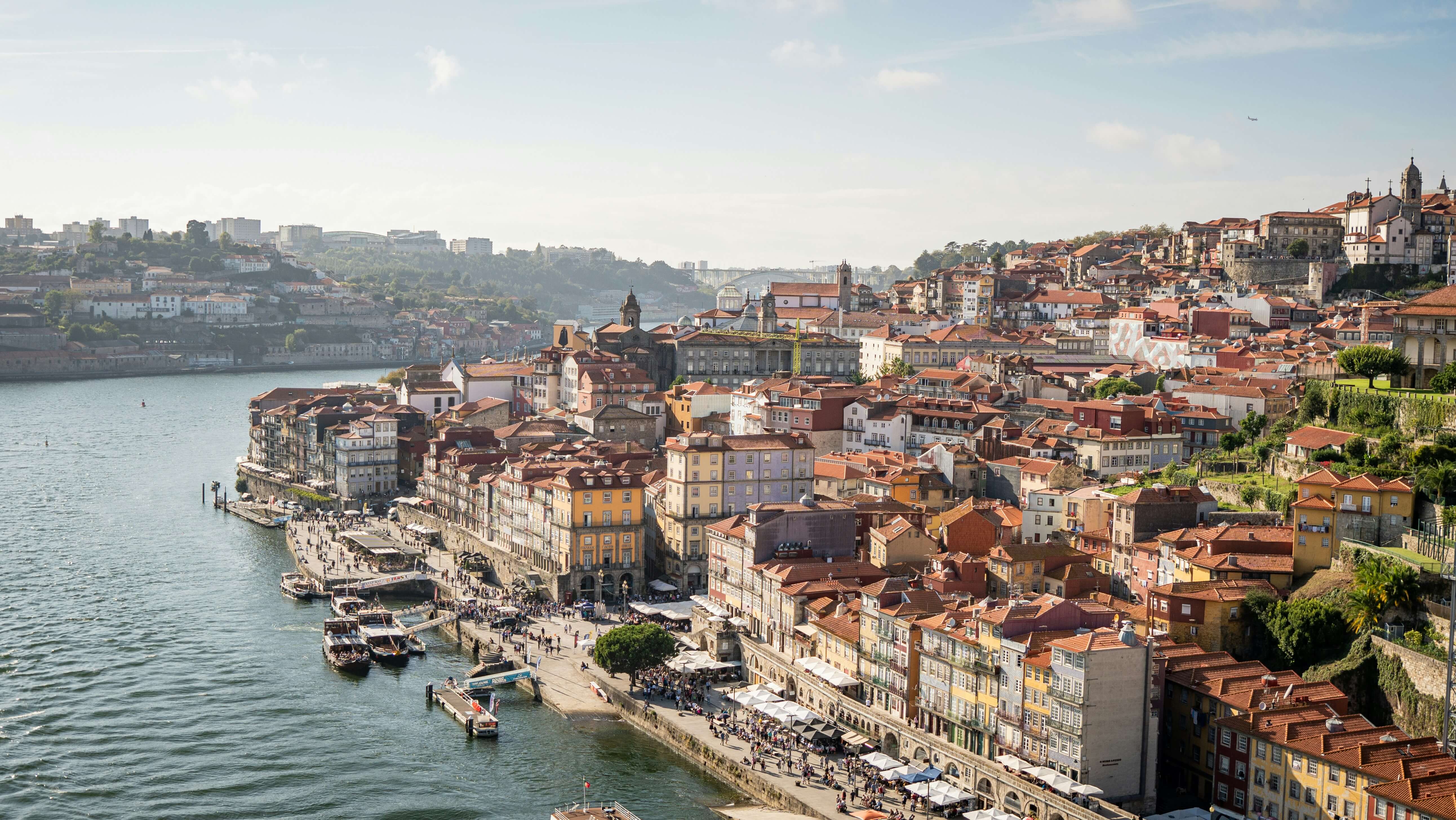
Portugal’s capital Lisbon is a popular destination as a long-haul layover for South-America, or as a European city break in it’s own right. But it’s popularity means that the city no longer offers Portugal’s legendary low prices and laid-back charm. The hilly cobblestone streets mean the cities iconic trams can get busy during summer months, while hotels and restaurants are often fully booked.
Portugal’s northern second capital, Porto, is a better alternative in my opinion. The prices are low, the food is outstanding, and the locals are like old friends you haven’t met yet. While it’s probably best known for the Port producing Douro Valley, Porto has beaches to rival Lisbon’s, a wealth of historic buildings, and the colourful Ribeira district which forms part of a UNESCO World Heritage Site. Plus you can still grab a tasty pastel de nata from a local “pastelaria“, often at half the price of a pastry from Lisbon.
The best place to visit in Porto for foodies is the Mercado Beira-Rio. Easy to miss if your not looking for it, the large waterside warehouse houses a street-food market with communal tables – great for salivating over your neighbours order. With a mix of Portuguese and international flavours, there’s no shortage of choice when it comes to dishes, and the prices make it almost rude not to try a bit of everything.
Instead of Nice, Visit Marseille
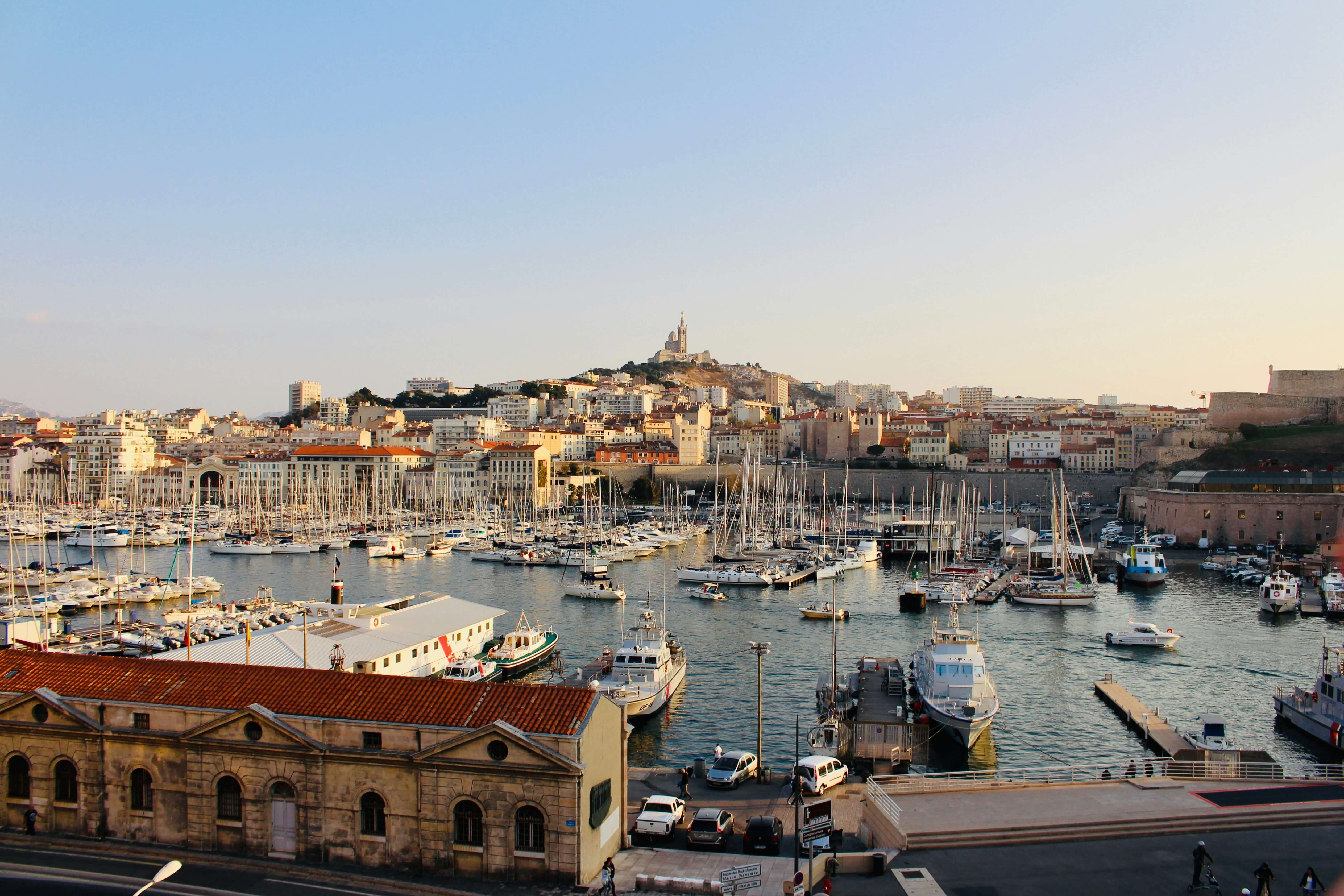
Marseille and Nice bookend the famed French Riviera, but it’s often Nice that tourists choose as a base for exploring the area. The seafront walk, or Promenade des Anglais, in Nice has attracted visitors as far back as Queen Victoria and many celebrities have strolled down the seafront since. It’s a place to be seen, but it sometimes Nice feels like it doesn’t offer a real insight into French Riviera life away from the designer boutiques and striped parasols.
Marseille is Nice’s more authentic alternative. Anthony Bourdain said “Marseille was once the hub, the rough-and-tumble principal port for France’s colonies such as Tunisia, Morocco, and Algeria. As a result, the sights and smells of Africa permeate the city.”. It’s a melting pot of cultures with incredible Mediterranean seafood coming in fresh from the harbour, thought-provoking museums like MuCEM, and the must-see cathedral, the Notre Dame de la Garde.
Marseille used to have a bit of a reputation, but has been revitalised in recent years most notably with the large investment in Vieux Port, or the Old Harbour. Waterfront restaurant’s serving up the city’s favourite dish, bouillabaisse, and small fishing boats make this the ideal place to spend a long Mediterranean summers evening. Another reason to visit Marseille instead of Nice is the scenic Calanques National Park, with it’s adventurous outdoor pursuits like hiking rugged mountain trails, rock climbing, and mountain biking.
Instead of Amsterdam, Visit Istanbul
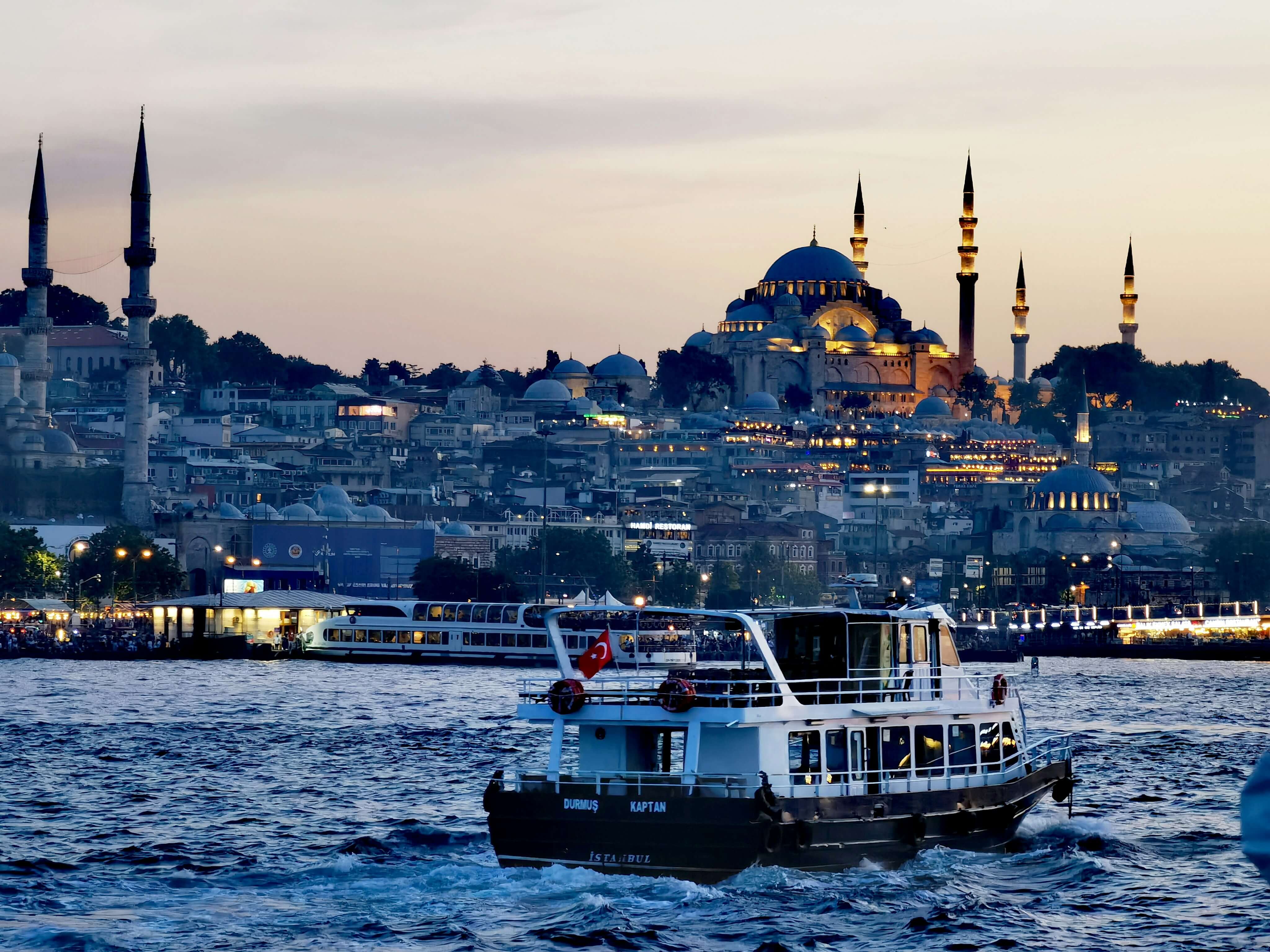
Amsterdam has garnered a certain kind of reputation for lawlessness and debauchery, but it’s also brimming with world-class museums and art galleries, some of the most eclectic restaurant menus in Europe, and the unique architecture lining its canals. But while the tourist board battles to put off the hen and stag do crowds, choose somewhere a little further afield to completely immerse yourself in another culture. There’s the World War Two history of Berlin, the canal-lined streets of Utrecht, or the communal green spaces of Copenhagen.
For an edgier alternative to Amsterdam, head to Turkey and the meeting of two continents in the mesmerising city of Istanbul. It’s Turkey’s largest city with a population of over 15 million, so quiet it isn’t – but then neither is Amsterdam. What it does have in excess is magnificent historical buildings like the azure-tiled Blue Mosque, a multicultural food scene, and a welcoming culture.
Istanbul is an assault on the senses, but rather than red lights and the waft of weed, smoke from hookah’s and the heady smell of spices from the Grand Bazaar fill the air. The Hagia Sophia Grand Mosque eclipses Amsterdam Centraal Station in both size and historical importance, leading multiple lives as a mosque, a Byzantine church, and a museum; it encapsulates the city’s multiculturalism in one neat tourist attraction. While deep underground, the Basilica Cistern offers a slice of tranquillity that you may recognise as a filming location for Dan Brown’s Inferno.
Why Destination Dupes Are the Smartest Way to Travel Europe Right Now
So there we have it, some of the best hidden gems Europe has to offer. From secretive Matera to the opulent Montenegro, these destination dupes are the ultimate way to skip the crowds of the European summer and will often help to save you some money in the process. With a little bit of travel destination research, there’s something for everyone in the diverse European continent. Why queue for hours somewhere everyone else has been when you can forge your own path and explore these top-rated destination dupes in Europe?